Posted by UniHeatPacks on 27th Oct 2025
Blog
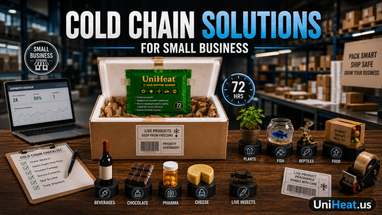
Preventing temperature shock is the single most important factor in live-insect shipping. Because insects are ectothermic, their metabolism relies on the ambient environment—sudden cold or heat
…
Posted by UniHeatPacks on 17th Oct 2025
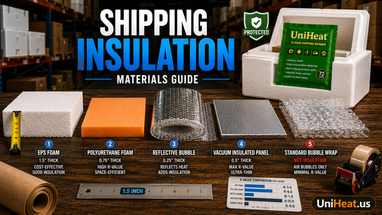
Choosing the Right Box Size & Insulation for Heat Packs
Shipping temperature-sensitive goods safely depends on balance. Too little insulation and heat escapes; too much and your UniHeat packs can suffocate. This article explains how to choose the correct
…
Posted by UniHeatPacks on 13th Oct 2025
How to Ship Safely During Sudden Cold Snaps
When temperatures plunge without warning, a normal shipment can become risky for live animals, aquatic corals, plants, feeders, and other temperature-sensitive goods. This guide gives you a practical
…
Posted by UniHeat, Your Shipping Warmer Experts on 30th Sep 2025
7 Ways to Improve Heat Retention in Your Shipments
When shipping live animals, tropical fish, or other temperature-sensitive items, keeping the box warm and stable is critical. Even the best heat pack can lose effectiveness if the shipping environmen
…
Posted by UniHeat, Your Shipping Warmer Experts on 24th Sep 2025
How to Reuse or Dispose of Heat Packs Responsibly
Wondering what to do with used heat packs after a winter shipment? Here’s a clear guide on how to handle UniHeat warmers once they’ve done their job—plus what not to do. Important n
…
Posted by UniHeat, Your Shipping Warmer Experts on 23rd Sep 2025
Shipping Tropical Fish Safely in Winter: Tips for Success
Shipping tropical fish during the winter months requires extra preparation. Cold snaps, snow, and below-freezing conditions can stress or even harm delicate species if shipments aren’t packed c
…