

Posted by UniHeatPacks on 23rd Aug 2026
Shipping Supplements & Vitamins in Winter: DTC Guide
The supplement industry has exploded into a $50+ billion DTC category in the US, with brands shippin
…
Cold-Weather Shipping Protection
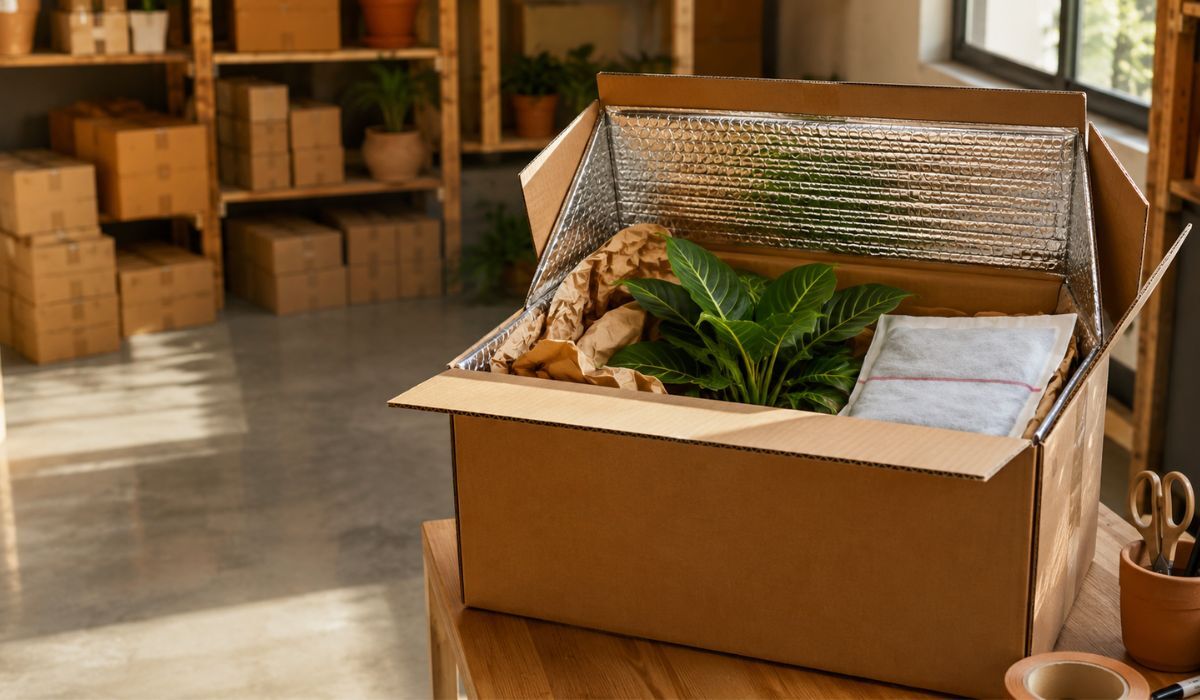
Every winter, shipments arrive frozen, cracked, or damaged. Usually the shipper underestimated the cold. UniHeat US sells UniHeat air-activated shipping warmers to reptile breeders, plant nurseries, wine clubs, meal kit companies, specialty food makers, and other shippers of cold-sensitive goods.
Pick from seven durations, from 20 to 120 hours. We ship fast from U.S. stock, and we give practical tips for winter shipping.
Shop by Shipping Need
Each product fails at a different temperature. Tropical plants are damaged below 50°F. Reptile industry guidelines say to stop shipping below 38°F. Wine freezes at about 22°F at typical alcohol levels. Start with your category to see freeze points, packing tips, and the right pack duration.
Plants & Nursery
Keeps tropical plants, cuttings, and nursery orders warm in winter transit.
Reptiles
Steady winter warmth for snakes, geckos, amphibians, and other reptiles that can't take the cold.
Aquatics
Steady warmth for tropical fish, coral, aquatic plants, and marine life in transit.
Beverages
Keeps wine, non-alcoholic drinks, RTDs, syrups, and other bottled goods from freezing.
Live Animals
Temperature support for poultry, hatchlings, insects, feeder animals, and specialty livestock.
Specialty Foods
Winter packing tips for chocolate, baked goods, gourmet foods, and fragile ingredients.
Cold-Weather Shipping Reference
Most cold-sensitive products are damaged well above 32°F. We've gathered the freeze points and damage ranges reported across the industries we serve. Use them to see your risks before you ship in winter.
Heat Pack Finder
The right heat pack depends on four things: transit time, outside temperature, insulation, and how sensitive your product is. Choose a pack that outlasts the worst likely delay, not just the expected one.
Made for overnight regional shipments, mild winter weather, and routes where delays are rare.
Made for severe winter weather, cross-country routes, and shipments that can't fail.
UniHeat

UniHeat
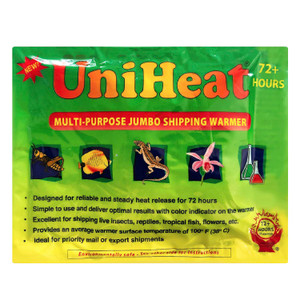

UniHeat
Frequently Asked Questions
Answers to common questions about UniHeat shipping warmers, winter packing, and keeping shipments warm in transit.
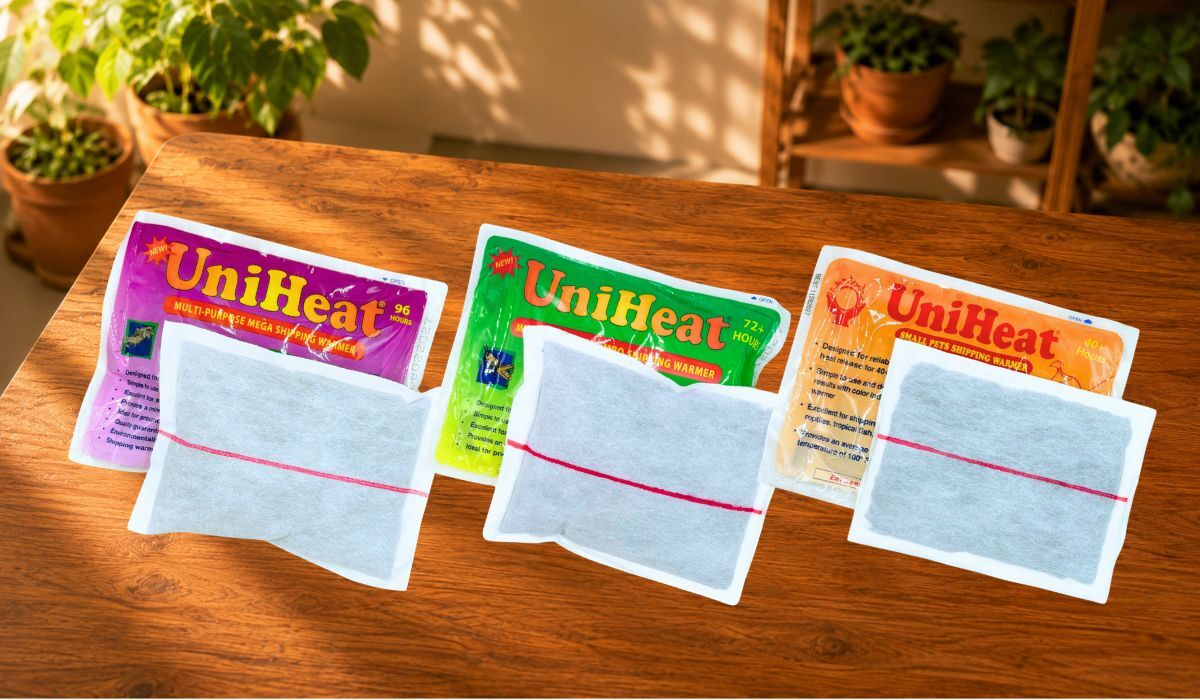
Each UniHeat pack holds a sealed mix of iron powder, water, salt, activated carbon, and vermiculite. When air reaches it, the iron slowly oxidizes and gives off steady heat for the rated time. To start the pack, take it out of its airtight wrapper.
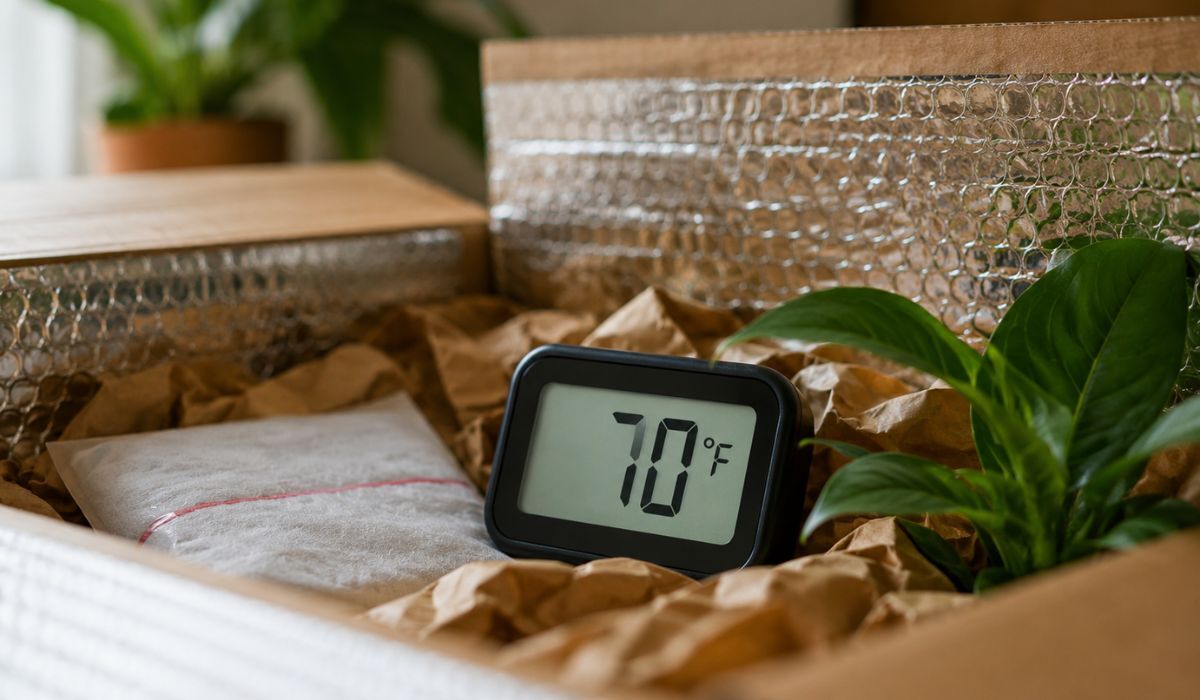
One 72-hour UniHeat pack keeps an average of about 70°F inside a standard insulated 1-cubic-foot box. Box size, outside temperature, insulation, airflow, and extra packs all change the result.
It depends on transit time, weather, and how sensitive your product is. Most shippers use 40-hour packs for overnight regional routes. 72-hour packs are the standard for most winter ground shipping. 96-hour packs add protection for severe cold or cross-country trips.
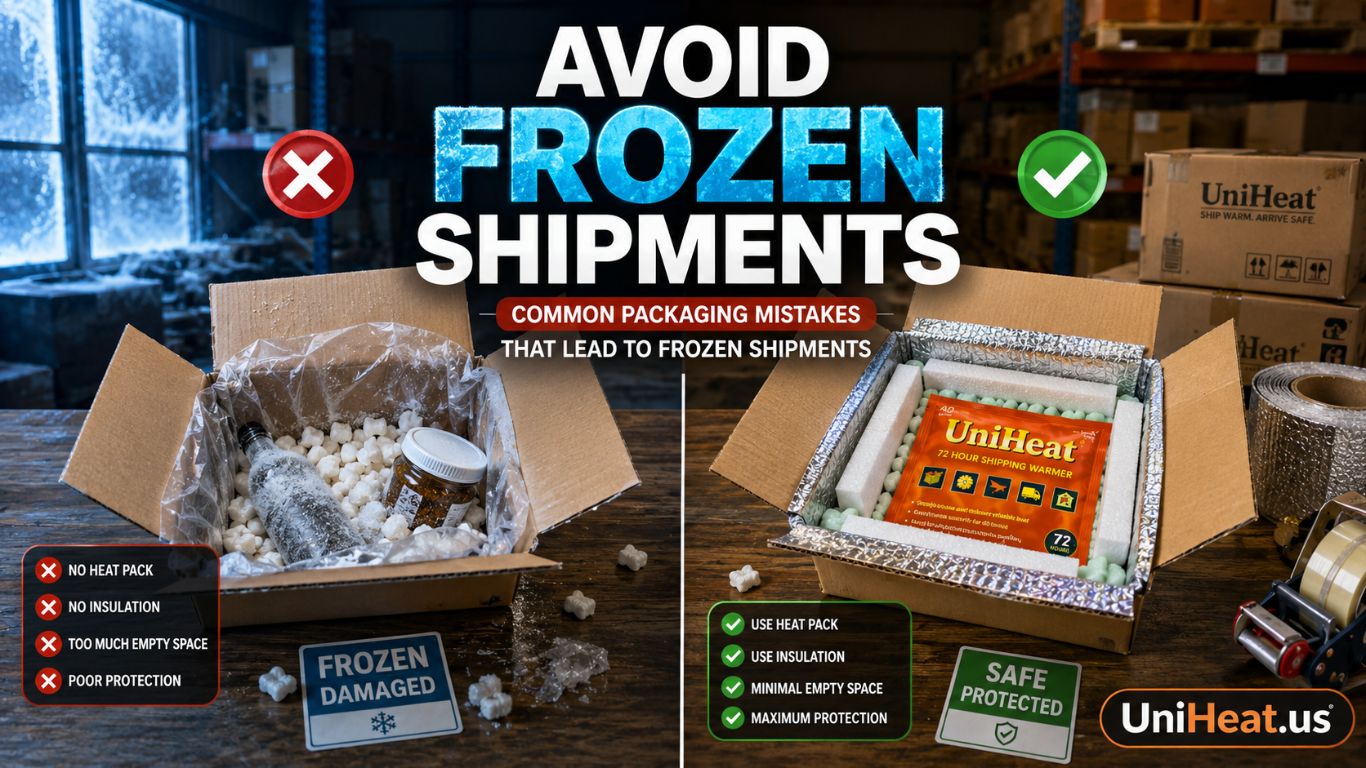
No. Heat packs and insulation work as a team. Insulation slows heat loss. The heat pack replaces the warmth that escapes. Using only one leaves your shipment much less protected.
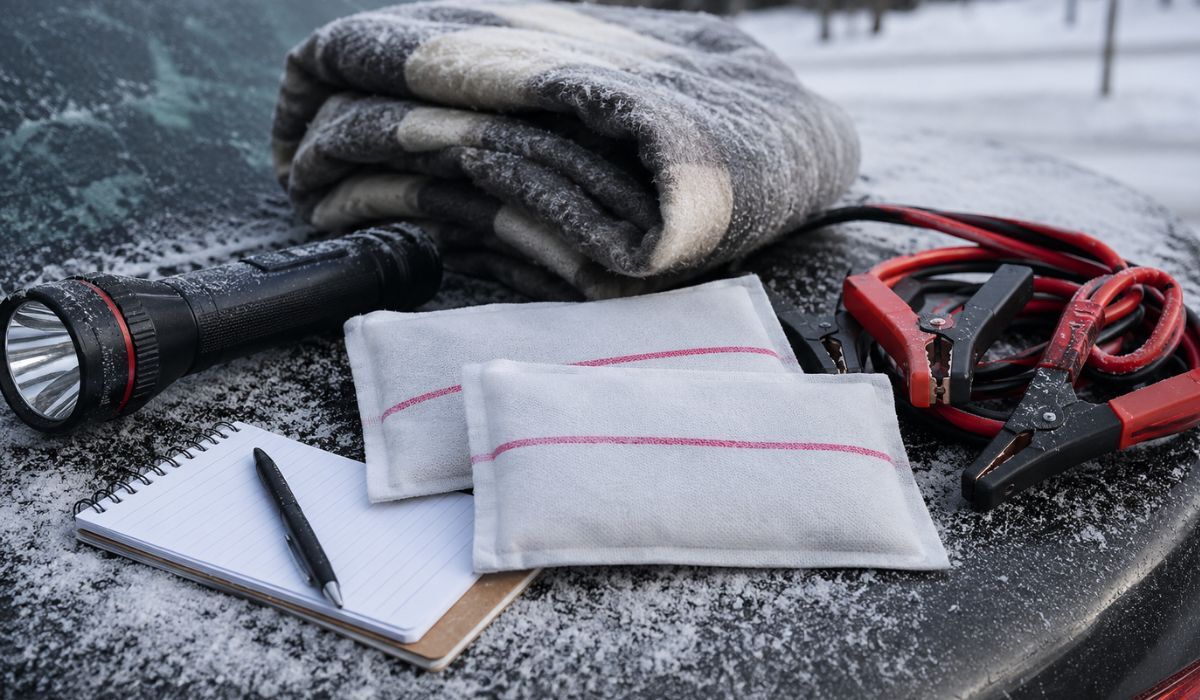
Yes. Many customers use UniHeat packs in car emergency kits, for camping and outdoor events, and for winter storm prep. They keep going in times when regular hand warmers may not last long enough.
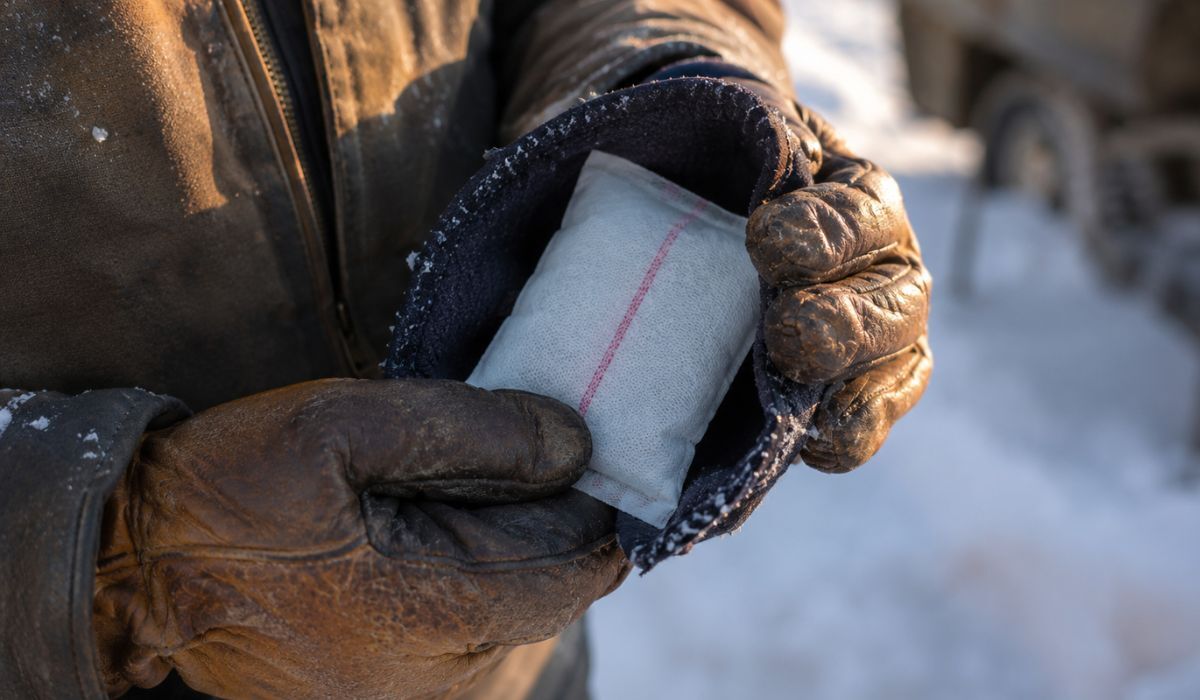
Hand warmers give short bursts of high heat for a few hours. UniHeat shipping warmers give gentler heat for much longer, from 20 to 120 hours. That makes them a good fit for shipping and multi-day cold.
Yes. UniHeat packs are non-hazardous, and major U.S. carriers accept them, including USPS, FedEx, and UPS. Carriers may still have their own rules for live animals and special programs.
UniHeat US ships fast from U.S. stock across the continental U.S. Delivery time depends on order size, carrier, and where you are.
Ready to Ship Smarter?
Protect cold-sensitive shipments with heat packs built for insulated boxes and real winter transit. Shop UniHeat packs, or read our winter shipping guide for freeze points, packing tips, and carrier advice by industry.
Cold-Weather Shipping Education
Read practical guides on freeze points, packing setup, choosing a pack duration, insulation, transit delays, and real-world winter shipping in every industry we serve.
Posted by UniHeatPacks on 23rd Aug 2026

Posted by UniHeatPacks on 19th Aug 2026
Posted by UniHeatPacks on 15th Aug 2026
Posted by UniHeatPacks on 11th Aug 2026
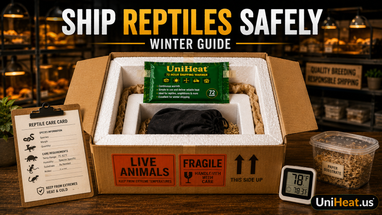
Posted by UniHeatPacks on 7th Aug 2026
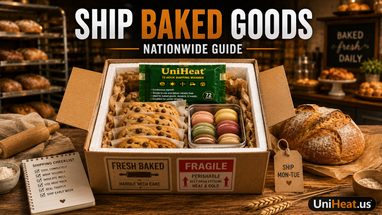
Posted by UniHeatPacks on 3rd Aug 2026
Why UniHeat
Failed cold-weather shipments are costly. That's why shippers in many industries trust UniHeat. Good protection starts with real performance data, hands-on experience, and the right packing setup.
Shipping Confidence Starts Before Checkout
Winter shipping takes more than tossing a heat pack in a box. Transit time, insulation, airflow, void fill, weather, and carrier routes all play a part.
Heat packs work best with good insulation, the right airflow, and a box that fits. A poorly packed box can make the heat pack far less effective.
Winter storms, rerouting, and surprise warehouse holds can stretch transit well past the expected date. Pick a duration for the worst likely delay, not the best case.
The best shippers test their packing before severe weather hits. Trial shipments, temperature checks, and insulation tweaks help cut winter losses before peak season.
Shipping Preparation
Even the best heat pack can fall short if the box is packed wrong. Good winter shipping balances insulation, airflow, timing, and weather as one system.
Heat packs work best inside insulated containers that slow heat loss. Foam liners and insulated panels make a big difference in the cold.
UniHeat warmers need oxygen to keep making heat. Fully airtight packaging can lower their output and cut their run time.
Pick a duration longer than the worst likely delay, not the estimated delivery date. Winter storms and carrier backlogs often stretch transit times.
Packages pass through freezing warehouses, cargo holds, and cold delivery trucks. They can face much colder conditions than the local forecast suggests.