
Reptile Shipping
Reptile & Live Animal Shipping Solutions
Cold-Weather Shipping Protection for Reptiles, Amphibians & Live Animal Shipments
Cold-weather shipping can create serious challenges for reptiles, amphibians, feeder insects, aquatic species, and other temperature-sensitive live animal shipments. Exposure to freezing temperatures, extended carrier delays, poor insulation setup, or improperly configured heat packs may increase transit risk during winter shipping conditions.
UniHeat shipping warmers are used across multiple live animal industries to help support warmer packaging environments during cold-weather transit. Breeders, hobbyists, reptile stores, insect suppliers, and live animal shippers commonly pair heat packs with insulated shipping systems to help reduce cold exposure during overnight and multi-day shipping routes.
Industry Use
Live Animal Shipping
Used for reptiles, amphibians, feeder insects, aquatics, poultry, and temperature-sensitive live shipments.
Transit Support
Cold-Weather Packaging
Heat packs are commonly paired with foam insulation, breathable packaging layouts, and overnight shipping methods.
Educational Reference
Shipping Threshold Data
This page includes publicly reported reptile shipping thresholds, cold-risk references, and transit-planning considerations.
Important Note
Every Shipment Differs
Species sensitivity, humidity, ventilation, transit duration, and outside temperatures all influence shipping outcomes.
Cold-Weather Transit Risks
Why Reptile & Live Animal Shipments Become More Vulnerable During Winter Transit
Cold-weather shipping involves more than simply adding a heat pack to a box. Live animal shipments can be affected by outside temperatures, box insulation, airflow, transit duration, hub routing, humidity levels, species sensitivity, and carrier disruptions. Understanding these variables is critical when planning reptile and live animal shipments during colder months.
Temperature Exposure
Cold Stress During Transit
Many reptiles, amphibians, feeder insects, and tropical species are sensitive to prolonged cold exposure during shipping. Even when temperatures remain above freezing, long exposure to cold conditions may increase stress, lethargy, weakened immune response, or transit complications.
Carrier Delays
Unexpected Transit Extensions
Winter storms, routing changes, missed scans, aircraft delays, and weekend holds can unexpectedly extend shipping times. A shipment planned for overnight delivery may remain in transit significantly longer during severe weather periods.
Packaging Setup
Insulation & Box Design
Foam thickness, box sizing, deli cup placement, ventilation holes, substrate moisture, and internal airflow all influence shipping performance. Improper packaging layouts may reduce the effectiveness of insulated shipping systems and heat packs.
Heat Pack Performance
Airflow & Activation
UniHeat packs are air-activated and require oxygen in order to function properly. Overly sealed packaging, restricted airflow, excessive tape coverage, or improper positioning may affect heat pack activation and duration.
Species Sensitivity
Different Species, Different Risks
Ball pythons, tropical geckos, frogs, tarantulas, feeder insects, and aquatics all respond differently to cold exposure. Some species tolerate cooler temperatures better than others, while tropical species often require narrower transit windows.
Operational Planning
Weather Monitoring Matters
Experienced live animal shippers often review temperatures at origin, destination, and major hub cities before shipping. Overnight lows, snowstorms, and sudden cold snaps may significantly alter shipping risk profiles.
Important Educational Note
This page is intended as an educational cold-weather shipping resource based on publicly discussed reptile shipping practices and industry-reported thresholds. Packaging performance varies depending on insulation setup, carrier handling, environmental conditions, species type, airflow, and shipment duration. Testing your packaging configuration before winter shipping periods is strongly recommended.
Industry-Reported Shipping Thresholds
Reptile, Amphibian & Live Animal Cold-Weather Shipping Reference
The following reference table consolidates publicly discussed shipping thresholds commonly referenced across reptile breeder communities, live animal shipping platforms, care guides, and industry organizations. These values are intended as educational planning references for cold-weather shipping and not as guarantees of safe transit outcomes.
Educational Use Only
Actual shipping outcomes vary based on packaging setup, humidity, insulation thickness, heat pack duration, transit delays, and species sensitivity. Always evaluate current weather conditions and carrier performance before shipping live animals.
| Category | Reported Thresholds | Common Caution Range | Primary Transit Risk | Reference Tier |
|---|---|---|---|---|
|
Ball Pythons & Large Snakes
Ball pythons, boas, carpet pythons, larger constrictors
|
Industry breeder consensus commonly references increased cold stress below 65°F. Many reptile shipping communities reference 38°F as a commonly cited “do not ship” threshold at origin, destination, or hub locations. | Below 38–40°F | Cold stress, respiratory complications, weakened immune response | Tier 2 |
|
Colubrids
Corn snakes, king snakes, milk snakes, rat snakes
|
Reported to tolerate slightly cooler temperatures than tropical species, though many reptile shippers still apply the common 38°F minimum shipping threshold. | Below 38°F | Cold lethargy, stress exposure | Tier 2 |
|
Tropical Geckos
Crested geckos, gargoyle geckos, leachianus geckos
|
Tropical arboreal species are commonly considered more sensitive to cold-weather shipping than terrestrial geckos. Many breeders use more conservative winter shipping windows below 45–50°F. | Below 45–50°F | Cold shock, elevated mortality risk | Tier 2 |
|
Leopard Geckos & Desert Lizards
Leopard geckos, bearded dragons, monitors, skinks
|
Generally considered more cold-tolerant than tropical species, though extended cold exposure may still create significant shipping risk during winter transit. | Below 38–40°F | Lethargy, cold stress | Tier 2 |
|
Amphibians
Frogs, salamanders, axolotls
|
Amphibians often require narrower environmental tolerances due to skin respiration and humidity sensitivity. Tropical species are commonly considered more vulnerable to cold-weather transit. | Below 45°F | Skin stress, dehydration, cold shock | Tier 3 |
|
Tarantulas & Invertebrates
Tarantulas, scorpions, isopods, tropical inverts
|
Many tropical invertebrates are reportedly vulnerable to rapid temperature drops. Sudden cold exposure may create significant mortality risk during shipping. | Below 50°F | Cold shock, mortality | Tier 3 |
|
Feeder Insects
Crickets, dubia roaches, mealworms, BSF larvae
|
Crickets are commonly considered highly vulnerable to cold exposure below 55°F. Roaches and mealworms are often regarded as more cold-tolerant but still affected by extended winter transit. | Below 50–55°F | Insect die-off, dormancy | Tier 3 |
Reference Tier Legend
Important Transit Planning Note
Many experienced reptile breeders evaluate not only origin and destination temperatures, but also temperatures at major carrier hub cities along the route. Overnight lows, weather fronts, airport delays, and weekend holds may all significantly affect cold-weather shipping outcomes for live animal shipments.
Species & Transit Analysis
Different Live Animal Shipments Require Different Cold-Weather Planning
Reptile and live animal shipping is not one-size-fits-all. A winter shipping setup that may be acceptable for one species, route, or box configuration may not be appropriate for another. Species origin, body size, moisture requirements, ventilation needs, transit time, and heat pack placement all influence how a shipment should be planned.
Tropical Reptiles
Ball Pythons, Tropical Geckos & Humidity-Sensitive Species
Tropical reptiles are often more vulnerable to prolonged cold exposure because their normal care environments are warmer and more stable. During winter shipping, these shipments may require tighter weather windows, more conservative cutoff temperatures, insulated packaging, and careful heat pack positioning that supports warmth without creating direct hot spots.
Desert & Temperate Species
Leopard Geckos, Bearded Dragons, Colubrids & Hardier Reptiles
Some desert and temperate species may tolerate cooler short-term conditions better than tropical species, but they are not immune to cold stress. Extended exposure, shipping delays, or poorly insulated boxes can still create risk. These shipments should still be planned around overnight lows, hub weather, and the total time the animal may remain in the box.
Amphibians
Frogs, Salamanders, Axolotls & Moisture-Dependent Shipments
Amphibian shipments require extra care because humidity, substrate moisture, oxygen exchange, and temperature interact closely. Tropical frogs may be cold-sensitive, while cool-water species such as axolotls may require cooler—but not freezing—shipping environments. Heat pack planning should account for both temperature support and moisture management.
Invertebrates
Tarantulas, Scorpions, Isopods & Tropical Inverts
Many invertebrates are small, lightweight, and sensitive to sudden temperature swings. A box that cools quickly or overheats locally can create serious transit risk. Invertebrate shipping often benefits from stable insulation, careful separation from direct heat pack contact, and conservative winter routing decisions.
Feeder Insects
Crickets, Dubia Roaches, Mealworms & Larvae
Feeder insects have their own shipping profile. Crickets are especially vulnerable to cold exposure, while dubia roaches and mealworms may tolerate cooler temperatures but can become dormant or experience die-off if exposed too long. Heat pack use should be balanced with ventilation and box density.
Shipment Size & Box Volume
Small Boxes, Larger Boxes & Heat Distribution
A small insulated box may heat differently than a larger shipping container. Too much empty space can reduce thermal stability, while too little airflow can affect heat pack activation. The relationship between box size, insulation, ventilation, animal container placement, and heat pack duration should be tested before shipping in cold weather.
Practical Planning Principle
Plan for the coldest realistic point in the route, not only the temperature at the destination.
Live animal shipments may pass through colder hub cities, sit in facilities overnight, or experience unexpected delays. A shipment leaving from a mild region can still encounter winter conditions during routing. For sensitive species, reviewing origin, destination, and likely hub temperatures is a stronger planning method than checking only one ZIP code.
Shipping Setup Reminder
- Separate animals from direct heat pack contact.
- Allow enough oxygen for heat pack activation.
- Use insulation appropriate for the weather window.
- Avoid shipping into known severe-weather events.
- Test your box configuration before peak winter shipping.
Packaging & Insulation Guidance
Packaging Setup Often Matters as Much as the Heat Pack Itself
Heat packs function as part of a complete insulated shipping system. Foam thickness, airflow, deli cup placement, moisture control, box sizing, and internal spacing all influence how warmth is retained during cold-weather reptile shipping. A strong packaging setup may help create a more stable shipping environment during winter transit.
Foam Insulation
Insulated Shipping Boxes Help Slow Temperature Loss
Foam insulation is commonly used to help reduce rapid heat loss during winter shipping. Thicker insulation may provide longer thermal stability during severe cold conditions, while thinner insulation may perform adequately for shorter routes or milder weather.
Airflow Management
Heat Packs Require Oxygen to Activate
UniHeat packs are air-activated. Overly sealed packaging, excessive tape coverage, or blocked ventilation may reduce airflow and affect pack performance. Packaging setups typically balance insulation with controlled oxygen exchange.
Heat Pack Placement
Avoid Direct Contact with Live Animals
Heat packs are commonly mounted to the underside of the lid or separated from animal containers using cardboard barriers or packing layers. Direct heat exposure may create localized overheating inside the box.
Box Sizing
Too Much Empty Space Can Reduce Stability
Larger boxes may lose heat more quickly if excessive air volume exists inside the package. Many shippers attempt to reduce unnecessary empty space while still maintaining safe airflow and adequate animal separation.
Humidity & Moisture
Moisture Levels May Affect Shipping Conditions
Amphibians, tropical reptiles, and certain invertebrates may require humidity-retaining materials or damp substrate during transit. Excess moisture, however, can sometimes reduce insulation performance or alter airflow conditions.
Transit Duration
Longer Routes Usually Require More Conservative Planning
A shipping setup suitable for overnight regional transit may not perform the same way during multi-day cross-country routes. Longer exposure windows generally increase the importance of insulation quality and heat pack duration selection.
Common Packaging Workflow
Typical Cold-Weather Reptile Shipping Setup
Many reptile and live animal shippers follow a layered packaging approach designed to balance insulation, airflow, and heat distribution during winter shipping.
Insulated Box
Foam-insulated shipping containers are commonly used to reduce rapid external temperature swings.
Animal Containers
Deli cups, breathable bags, or secured containers are positioned away from direct heat exposure.
Heat Pack Mounting
Heat packs are often attached to the lid or separated using cardboard barriers for indirect warmth.
Ventilation & Final Prep
Controlled airflow openings and weather review are often completed before shipment release.
Cold-Weather Shipping Reminder
Even well-insulated packages may be affected by extreme cold, transit disruptions, aircraft delays, or extended warehouse exposure. Many experienced reptile shippers adjust packaging methods throughout the season depending on weather severity, destination region, and species sensitivity.
UniHeat Shipping Warmers
Cold-Weather Shipping Support for Reptiles, Amphibians & Live Animal Transit
UniHeat shipping warmers are used across reptile shipping, feeder insect logistics, aquatics, tropical plant shipping, specialty ecommerce fulfillment, and temperature-sensitive transit applications. Combined with proper insulation and operational planning, heat packs may help support more stable packaging environments during winter shipping conditions.
Because winter transit conditions vary significantly depending on weather severity, carrier performance, packaging setup, species sensitivity, and route exposure, many experienced live animal shippers test their configurations and adjust shipping workflows dynamically throughout the colder months.
Sources & Educational Methodology
This educational resource references publicly discussed reptile shipping practices, breeder community standards, live animal shipping guidance, publicly available husbandry references, and commercial cold-weather shipping methodologies commonly discussed within reptile and live animal industries.
Reported temperature thresholds and operational references shown on this page are generalized educational planning references and may vary significantly depending on species type, humidity requirements, box design, carrier routing, insulation quality, weather severity, and shipment duration.
UniHeat does not guarantee shipping outcomes, live arrival, or transit performance under any specific conditions. All shipments should be evaluated individually based on current weather forecasts and carrier operating conditions.
Popular Winter Shipping Products
Recommended UniHeat Durations
Operational Reminder
Weather conditions, routing changes, and carrier disruptions may evolve quickly during winter. Many live animal shippers monitor forecasts continuously and adjust shipping schedules throughout the season based on real-time conditions.
Heat Pack Duration Recommendations
Choosing the Right UniHeat Duration for Reptile Shipping
Heat pack selection depends on outside temperatures, insulation setup, shipping route, transit duration, carrier reliability, and species sensitivity. Overnight regional shipments may require a different approach than multi-day winter transit routes crossing colder hub regions.
Shorter Transit Windows
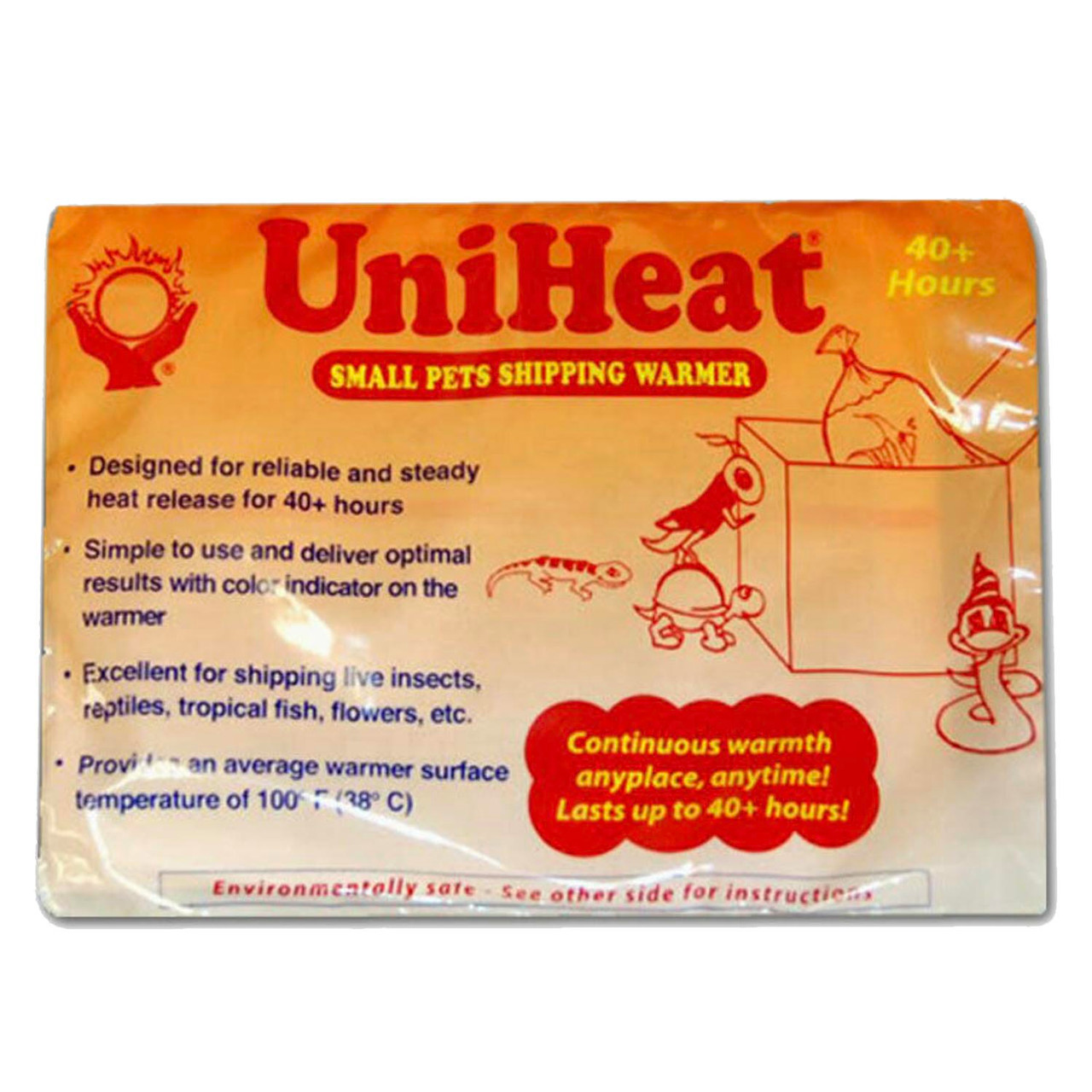
40 Hour Heat Packs
Commonly used for overnight reptile shipments, shorter regional routes, and milder winter weather conditions where exposure windows are more limited.
- Regional overnight shipping
- Milder winter climates
- Lower transit uncertainty
- Compact insulated boxes
- Faster activation profile
Standard Winter Shipping
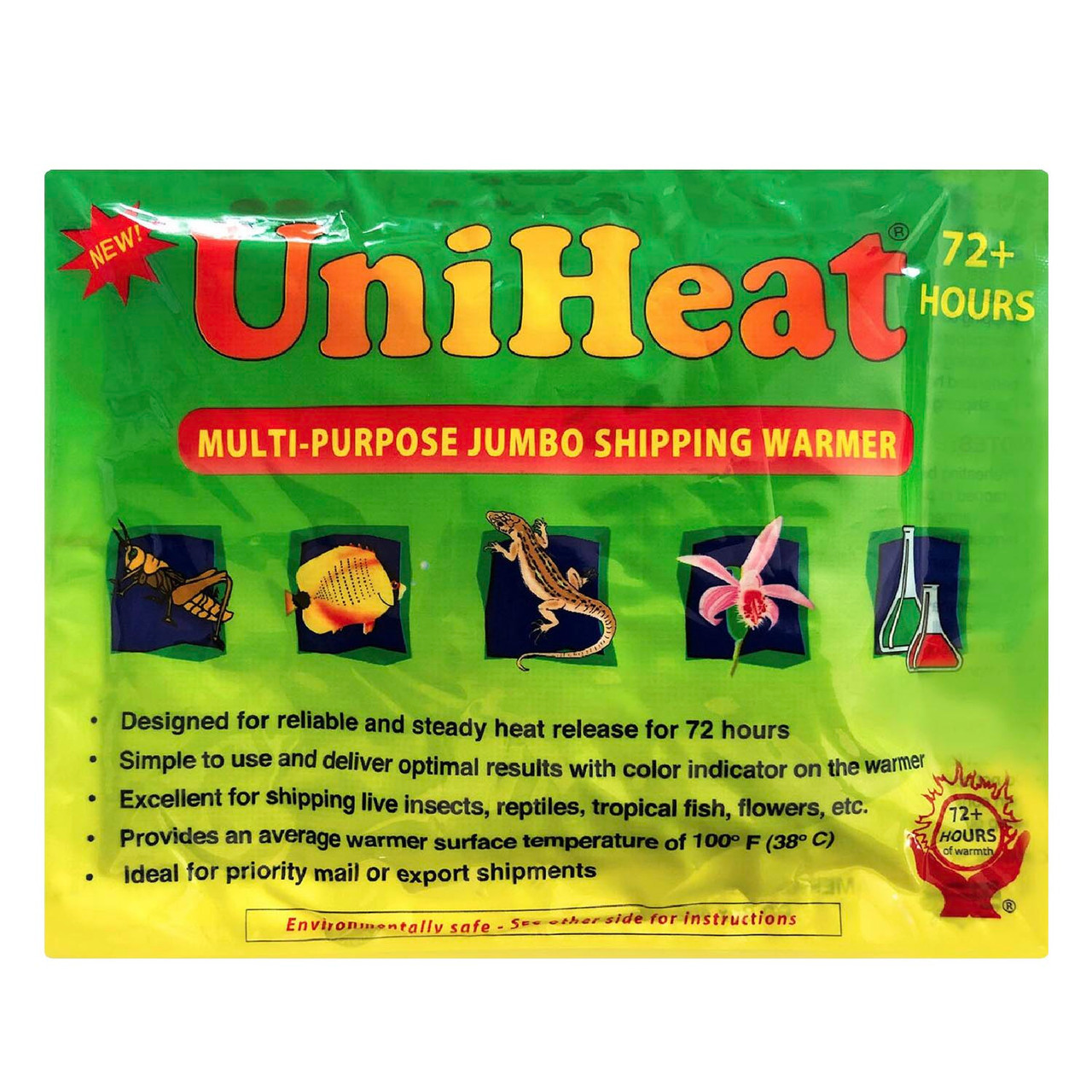
72 Hour Heat Packs
Frequently selected for winter reptile shipping where carrier delays, colder temperatures, or cross-country routing may increase transit exposure risk.
- Cross-country shipping routes
- General cold-weather reptile transit
- Moderate delay protection
- Broader winter shipping flexibility
- Popular for breeder shipments
Extended Protection
96 Hour Heat Packs
Often used for severe winter conditions, remote delivery regions, extended transit windows, or highly temperature-sensitive live animal shipments.
- Severe winter shipping conditions
- Longer transit uncertainty
- Remote delivery regions
- Higher weather disruption risk
- Additional cold-buffer planning

What Influences Heat Pack Selection?
Common Variables Reptile Shippers Evaluate
Most winter shipping setups are based on a combination of weather conditions, route exposure, insulation quality, and the biological sensitivity of the species being shipped.
Outside Temperatures
Lower overnight lows generally increase the importance of insulation quality and longer-duration heat packs.
Transit Duration
Longer shipping windows may require more conservative planning due to greater exposure risk.
Species Sensitivity
Tropical reptiles and sensitive species often require narrower weather windows than hardier desert species.
Carrier Reliability
Severe weather events, hub congestion, and regional disruptions may increase transit uncertainty.
Important Note About Heat Duration
Heat pack duration ratings are approximate and influenced by environmental conditions, insulation, oxygen flow, and shipment setup. Actual performance may vary depending on weather severity, box design, transit delays, and airflow availability during shipping.
Seasonal & Regional Shipping Guidance
Winter Shipping Conditions Can Vary Dramatically by Region & Season
Reptile shipping conditions in Southern California may differ significantly from Midwest winter routes, Northeast cold snaps, or mountain-region transit corridors. Many experienced live animal shippers adjust insulation, heat pack duration, shipping frequency, and acceptable weather windows throughout the year based on regional climate patterns.
Spring Shipping
Variable Temperatures & Transitional Weather
Spring often creates rapidly changing shipping conditions. A route may experience mild daytime temperatures while still reaching near-freezing overnight lows in certain regions.
- Monitor overnight lows carefully
- Late-season cold fronts remain possible
- Transit variability may increase
- Mountain and Midwest routes may remain cold
Summer Shipping
Heat Exposure Becomes the Primary Concern
Although this page focuses on cold-weather transit, summer shipping also introduces risk. Hot delivery trucks, airport tarmacs, and high-temperature hubs may create overheating concerns for live animal shipments.
- Reduce afternoon delivery exposure
- Monitor high-heat regional hubs
- Consider overnight routing strategies
- Watch for excessive box heat buildup
Fall Shipping
Cold-Weather Planning Typically Begins Here
Autumn often marks the start of heat pack season for many reptile breeders and feeder insect suppliers. Overnight temperatures can drop quickly even when daytime weather appears mild.
- Early cold snaps may arrive suddenly
- Carrier delays increase during holidays
- Regional weather patterns shift rapidly
- Many shippers begin using heat packs regularly
Winter Shipping
The Highest-Risk Period for Live Animal Transit
Winter introduces the greatest combination of cold exposure, severe weather systems, aircraft disruptions, hub delays, and overnight freeze risk across large sections of the country.
- Polar fronts may affect multiple states
- Transit delays become more common
- Hub routing may shift unexpectedly
- Insulation and planning become critical
Regional Shipping Considerations
Different U.S. Regions Present Different Winter Shipping Profiles
Transit routes may pass through colder carrier hubs even if the destination itself appears relatively mild.
Northeast & Midwest
Often associated with severe overnight lows, snowstorms, and high winter transit variability.
Mountain Regions
High elevations may produce freezing overnight temperatures even during shoulder seasons.
Southern States
Conditions are often milder overall but may still experience sudden cold snaps and regional freeze events.
West Coast Routes
Typically milder coastal conditions, though inland and mountain transit routes may still become cold.
Common Industry Practice
Many breeders adjust shipping schedules dynamically throughout winter.
Rather than using the same packaging setup year-round, many live animal shippers increase insulation, change heat pack duration, limit shipping days, or postpone shipments entirely during severe weather periods. Winter reptile shipping is often treated as an operational decision rather than a fixed shipping routine.
Reptile Shipping Resources
Helpful Guides for Cold-Weather Reptile & Live Animal Shipping
Explore additional UniHeat resources on heat pack activation, insulation methods, packing materials, sudden cold snaps, and winter shipping mistakes. These guides help shippers think through the practical details that affect cold-weather transit performance.
Reptile Shipping Basics
Live Reptile Shipping Best Practices
Review core cold-weather planning principles for reptiles, snakes, geckos, amphibians, and other temperature-sensitive live animal shipments.
Packaging Planning
How Many Heat Packs Do You Really Need Per Box?
Learn how box size, insulation thickness, outside temperature, and transit duration may influence heat pack planning.
Activation & Insulation
Understanding Heat Pack Activation & Insulation
Explore why oxygen flow, insulation, box design, and placement all influence heat pack performance during cold-weather shipping.
Severe Weather
How to Ship Safely During Sudden Cold Snaps
Review practical strategies for shipping during cold fronts, unexpected freeze events, weather disruptions, and delayed transit windows.
Packing Materials
Top Packing Materials to Pair with Heat Packs
Compare common insulation and packing materials that may help improve temperature stability inside cold-weather shipments.
Shipping Mistakes
Common Heat Pack Mistakes to Avoid
Avoid common packaging errors that may affect airflow, heat pack activation, insulation performance, and cold-weather shipping results.
Operational Shipping Planning
Cold Snaps, Carrier Delays & Winter Routing Can Change Shipping Risk Overnight
Many reptile shipping issues during winter are not caused by a single factor, but rather by multiple conditions happening simultaneously: freezing hub temperatures, delayed aircraft movement, weekend holds, severe weather systems, routing disruptions, or unexpected transit extensions. Experienced live animal shippers often adapt shipping schedules dynamically throughout winter months.
Weather Monitoring
Review the Entire Route, Not Just the Destination
A shipment traveling between two mild climates may still pass through freezing hub cities during transit. Many reptile shippers evaluate temperatures at origin, destination, and major carrier routing points before releasing winter shipments.
Weekend Holds
Avoid Shipments That May Sit Over the Weekend
Missed delivery attempts, late hub arrivals, or weather disruptions near weekends may extend transit times significantly. Many live animal shippers reduce risk by avoiding shipments too close to weekends or holidays during winter periods.
Cold Snaps
Rapid Temperature Drops Can Change Shipping Conditions Fast
Winter cold fronts may move quickly across multiple states and dramatically alter transit conditions within 24–48 hours. Packaging setups that worked the previous week may not be appropriate during severe cold snaps.
Hold For Pickup
Hub Pickup May Reduce Outdoor Exposure Time
Many reptile breeders prefer “Hold For Pickup” services during winter because shipments may spend less time exposed on delivery trucks or outside residential properties.
Transit Timing
Early-Week Shipping Is Common During Winter
Many live animal shippers prioritize Monday through Wednesday departures during colder months to create more buffer room for weather-related disruptions before the weekend arrives.
Risk Management
Sometimes Delaying Shipment Is the Better Option
Many experienced breeders postpone winter shipments during severe storms, polar fronts, or major carrier disruptions. Waiting for a safer weather window may reduce transit risk for sensitive live animal shipments.
Typical Winter Shipping Workflow
Common Operational Planning Steps Before Releasing a Shipment
Many reptile and live animal shippers follow a weather-check and routing workflow before finalizing winter shipments.
Review Forecasts
Check overnight lows at origin, destination, and likely carrier hubs.
Choose Packaging
Adjust insulation thickness and heat pack duration based on conditions.
Monitor Carrier Activity
Review weather alerts, service advisories, and regional disruptions.
Release Shipment
Ship during the safest available operational weather window.
Winter Shipping Reality
No packaging setup can eliminate all winter transit risk. Heat packs, insulation, and shipping workflows are designed to help support more stable shipping environments during cold-weather transit, but actual conditions may vary significantly depending on weather severity and carrier performance.
Frequently Asked Questions
Questions About Reptile Shipping Heat Packs & Winter Transit
Common educational questions about cold-weather reptile shipping, insulation, heat pack usage, feeder insect transit, and live animal packaging setups.
Do reptiles need heat packs during winter shipping?
Many reptile breeders, live animal shippers, feeder insect suppliers, and hobbyists use heat packs during cold-weather shipping to help support warmer packaging conditions. The need for heat packs depends on outside temperatures, transit duration, species sensitivity, insulation quality, and current carrier conditions.
What temperature is considered too cold for reptile shipping?
Across reptile breeder communities and industry shipping platforms, 38°F is commonly referenced as a “do not ship” threshold at origin, destination, or major transit hubs. Many breeders use even more conservative buffers depending on the species being shipped and the overall weather pattern.
Which UniHeat duration is commonly used for reptile shipping?
40-hour packs are often used for shorter overnight routes and milder weather. 72-hour packs are commonly selected for standard winter reptile shipping, while 96-hour packs may be preferred for severe cold, remote regions, or shipments with greater transit uncertainty.
Can heat packs overheat reptile shipments?
Packaging setup, insulation thickness, airflow, and heat pack placement all influence box temperatures during transit. Many reptile shippers avoid direct contact between heat packs and animal containers and test shipping setups before severe winter conditions.
Do UniHeat packs require airflow to work properly?
Yes. UniHeat packs are air-activated and require oxygen in order to activate and maintain warmth. Overly sealed packaging or blocked ventilation may affect performance during shipping.
Are tropical reptiles more cold-sensitive than desert species?
Generally, tropical species such as ball pythons, crested geckos, tropical frogs, and many arboreal reptiles are considered more sensitive to cold-weather transit than some desert or temperate species. Shipping windows and acceptable temperature ranges are often narrower for tropical species.
Why do many breeders prefer “Hold For Pickup” during winter?
Hold-for-pickup shipments may reduce the amount of time a package spends exposed on local delivery trucks or outside residential addresses. Many reptile breeders use this option during severe winter conditions.
Can feeder insects require heat packs too?
Yes. Crickets, dubia roaches, mealworms, black soldier fly larvae, and other feeder insects are often shipped with heat packs during colder months. Crickets are commonly regarded as especially vulnerable to cold exposure during transit.
Should reptiles be shipped during severe winter storms?
Many experienced live animal shippers postpone shipments during severe weather systems, polar fronts, or major carrier disruptions. Waiting for safer transit conditions may help reduce winter shipping risk.
Does insulation matter as much as the heat pack itself?
Yes. Heat packs are typically used as part of a broader insulated shipping system. Foam liners, box sizing, airflow, moisture levels, and internal layout all influence how stable shipping temperatures remain during winter transit.
Educational Disclaimer
This page is intended for educational and operational planning purposes only. Shipping outcomes vary depending on species type, packaging configuration, weather severity, carrier handling, insulation setup, transit duration, and airflow conditions. Always review current forecasts and carrier service alerts before shipping live animals during winter.
Explore More Shipping Solutions
UniHeat Supports More Than Reptile Shipping
UniHeat warmers are used across multiple cold-weather shipping industries including beverages, live animals, aquatics, plants, supplements, cosmetics, specialty foods, meal kits, and temperature-sensitive ecommerce shipments.