
Beverage Shipping
Beverage Shipping Solutions
Cold-Weather Shipping Protection for Wine, RTDs & Specialty Beverages
Beverage shipments can be highly vulnerable to cold-weather transit. Wine, ready-to-drink cocktails, juices, kombucha, cold brew, mixers, olive oil, and specialty beverages may freeze, expand, leak, rupture, separate, or lose quality when exposed to freezing temperatures and carrier delays.
UniHeat shipping warmers help wineries, beverage brands, specialty drink companies, ecommerce retailers, fulfillment centers, and subscription programs support safer winter shipping conditions for temperature-sensitive beverage shipments.
Freeze Expansion
Liquid Expansion Can Damage Packaging
Freezing beverages may expand inside bottles, cans, and glass packaging, increasing leakage, rupture, and breakage risk.
Carbonation Pressure
Cans & Bottles May Bulge or Burst
Carbonated RTDs, beer, kombucha, sparkling drinks, and mixers may face pressure-related packaging failure in freezing conditions.
Quality Protection
Cold Exposure Can Affect Taste & Texture
Freeze-thaw cycles may affect flavor, clarity, carbonation, texture, live cultures, emulsions, and premium product presentation.
Transit Delays
Winter Carrier Delays Increase Risk
Storms, missed scans, weekend holds, frozen hubs, and rerouting may extend cold exposure beyond the planned transit window.
Cold-Weather Beverage Shipping Risks
Why Beverage Brands Need a Winter Shipping Strategy
Beverages behave differently under freezing temperatures depending on alcohol content, sugar levels, carbonation, packaging type, liquid density, and formulation. A shipping setup that works for red wine may fail for sparkling beverages, juices, RTDs, kombucha, cold brew, or olive oil during severe winter conditions.
Freeze Damage
Liquid Expansion Can Rupture Packaging
As liquids freeze, expansion may crack glass bottles, split seams, force corks upward, damage labels, or rupture cans and closures.
Alcohol Content
Lower ABV Products Freeze Faster
Non-alcoholic beverages, juices, kombucha, mixers, and low-ABV products may freeze at much higher temperatures than traditional spirits.
Carbonation Pressure
Sparkling Beverages Carry Additional Risk
Carbonated beverages may experience internal pressure increases during freeze-thaw cycles, especially in aluminum cans and glass bottles.
Flavor & Texture
Cold Exposure Can Affect Product Quality
Freeze-thaw cycles may alter flavor balance, texture, carbonation retention, sediment stability, emulsions, and visual presentation.
Transit Exposure
Packages May Sit in Extreme Conditions
Winter shipments may encounter frozen trucks, airport tarmacs, loading docks, regional sorting hubs, and overnight warehouse exposure.
Carrier Delays
Winter Weather Can Extend Exposure Time
A one-day delay may dramatically increase freeze exposure risk during severe cold snaps or regional winter storms.
Important Beverage Shipping Note
Not all beverages freeze at the same temperature. Alcohol content, sugar concentration, carbonation, packaging type, and product formulation all influence freeze resistance and cold-weather shipping performance.
Beverage Freeze Point Reference Guide
Generalized Freeze Thresholds for Beverage Shipping
Different beverages freeze at different temperatures depending on alcohol content, sugar concentration, carbonation, formulation, and packaging type. The reference ranges below reflect generalized educational guidance commonly discussed across beverage manufacturing, wine logistics, ecommerce fulfillment, and cold-chain shipping operations.
Educational Use Only
Actual freeze behavior varies based on formulation, ABV, sugar content, dissolved solids, carbonation, bottle fill level, and total transit exposure.
| Beverage Category | Generalized Freeze Consideration | Common Freeze Risk Range | Typical Shipping Concern | Reference Tier |
|---|---|---|---|---|
|
Non-Alcoholic Beverages
0.0% beverages, juices, mixers
|
Products with little or no alcohol may freeze near standard water-based temperatures depending on sugar concentration. | ~28°F to 32°F | Expansion, rupture, leakage | Tier 1 |
|
Wine
Still red, white & rosé wines
|
Standard table wines freeze at lower temperatures due to alcohol content, though cold exposure may still affect quality and packaging. | ~15°F to 25°F | Cork push, glass stress, sediment disruption | Tier 2 |
|
Sparkling Beverages
Sparkling wine, kombucha, seltzers
|
Carbonated beverages may experience elevated packaging stress during freeze-thaw cycles and severe cold exposure. | Varies by ABV & sugar | Pressure buildup, can bulging, rupture | Tier 2 |
|
Cold Brew & Coffee Drinks
Nitro coffee, lattes, concentrates
|
Coffee beverages may separate, freeze, or experience texture instability depending on dairy, plant milk, or emulsion content. | Often near 28°F–32°F | Separation, texture damage, leakage | Tier 3 |
|
Olive Oil & Specialty Liquids
Oils, syrups, concentrates
|
Some specialty liquids may solidify, cloud, crystallize, or thicken during cold exposure without fully rupturing packaging. | Product-specific | Clouding, viscosity changes, separation | Tier 3 |
|
High-Proof Spirits
Whiskey, vodka, tequila, rum
|
Higher alcohol concentrations significantly reduce freeze risk compared to low-ABV beverages. | Often below 0°F | Label damage, glass stress, cosmetic exposure | Tier 1 |
Reference Tier Legend
Important Beverage Shipping Reminder
Even when beverages do not fully freeze, prolonged cold exposure may still affect carbonation, texture, emulsions, packaging integrity, sediment stability, labels, closures, and overall product presentation during winter transit.
Packaging & Insulation Strategy
Why Beverage Packaging Design Matters in Winter Shipping
Winter beverage shipping protection depends on more than simply adding a heat pack to a box. Insulation quality, bottle spacing, void fill, packaging density, transit duration, carrier exposure, and beverage type all influence cold-weather shipping performance.
Insulation Quality
Not All Packaging Performs Equally
Foam shippers, insulated liners, molded pulp, cardboard dividers, and thermal wraps each provide different levels of cold-weather protection.
Bottle Density
Larger Shipments Retain Heat Differently
Case quantities, liquid mass, and tightly packed shipments may behave differently than single-bottle ecommerce orders during transit.
Void Space
Air Gaps Increase Freeze Exposure
Excessive empty space inside beverage shipments may accelerate internal temperature loss during cold-weather transit.
Packaging Exposure
Outer Boxes May Experience Severe Cold
Winter shipments may encounter loading docks, airport tarmacs, delivery vans, overnight sorting hubs, and frozen regional warehouses.
Transit Duration
Every Additional Hour Increases Exposure
Even well-insulated beverage shipments may become vulnerable during severe weather delays or prolonged carrier holds.
Product Differences
Different Beverages Behave Differently
Wine, kombucha, olive oil, RTDs, cold brew, sparkling beverages, and non-alcoholic drinks each respond differently to cold exposure.
Common Beverage Packaging Components
- Foam bottle shippers
- Insulated box liners
- Thermal wraps
- UniHeat warmers
- Molded pulp inserts
- Corrugated bottle dividers
- Void-fill materials
- Cold-weather tape sealing
Operational Reminder
Heat packs are only one component within a winter beverage shipping system. Insulation quality, packaging density, transit timing, weather severity, and carrier exposure all influence cold-weather shipping performance.
Heat Pack Duration Recommendations
Choosing the Right UniHeat Duration for Beverage Shipping
Selecting the correct UniHeat duration depends on beverage type, freeze sensitivity, packaging insulation, carrier transit time, outside temperatures, and delay risk. Lower ABV and non-alcoholic beverages often require greater winter shipping protection than higher-proof products.
Short Transit Routes
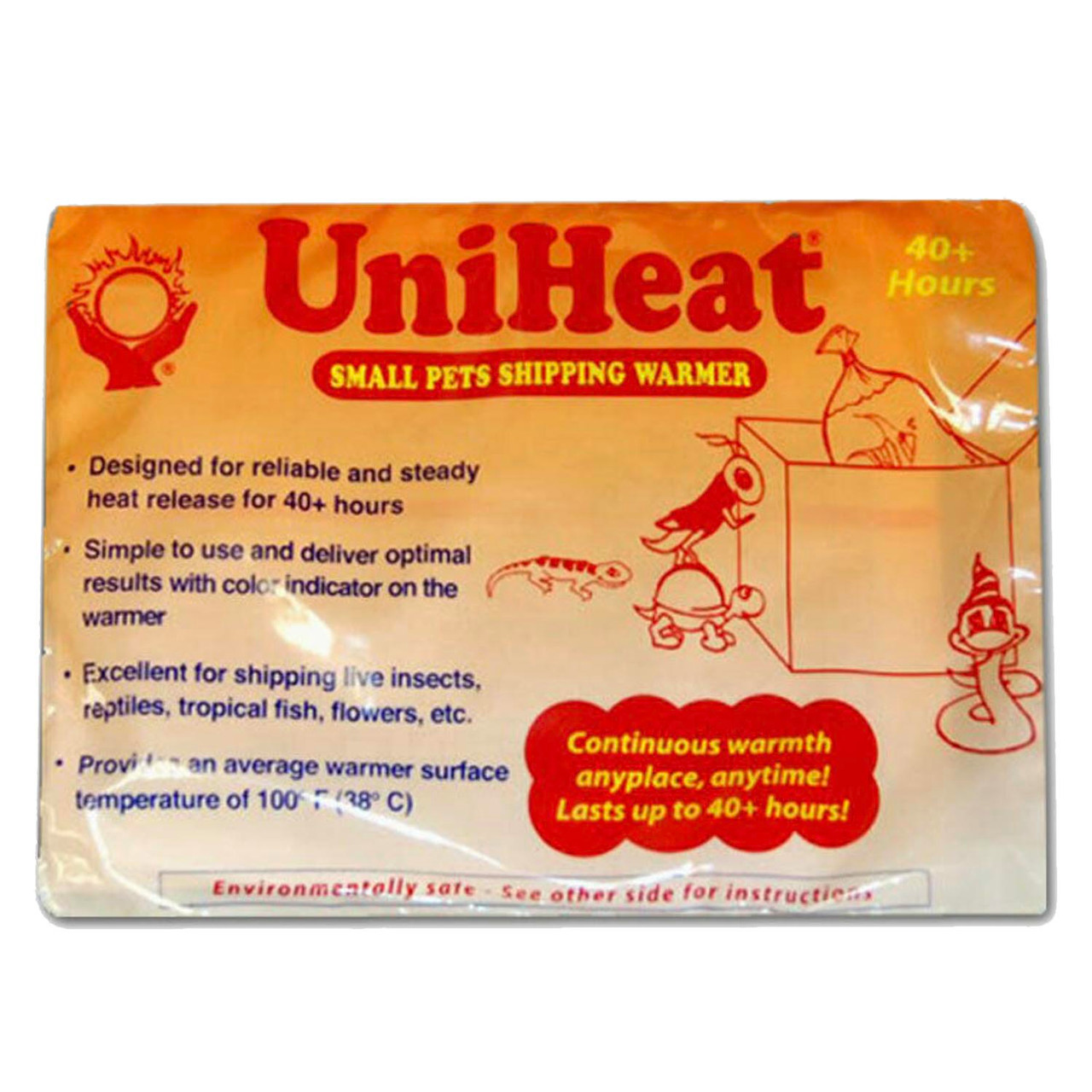
40 Hour Heat Packs
Often used for overnight and regional beverage shipments with lower winter exposure risk and shorter transit windows.
- Regional winery shipments
- Short-distance ecommerce orders
- Lower freeze-risk routes
- Milder winter climates
- Overnight carrier services
Standard Winter Shipping
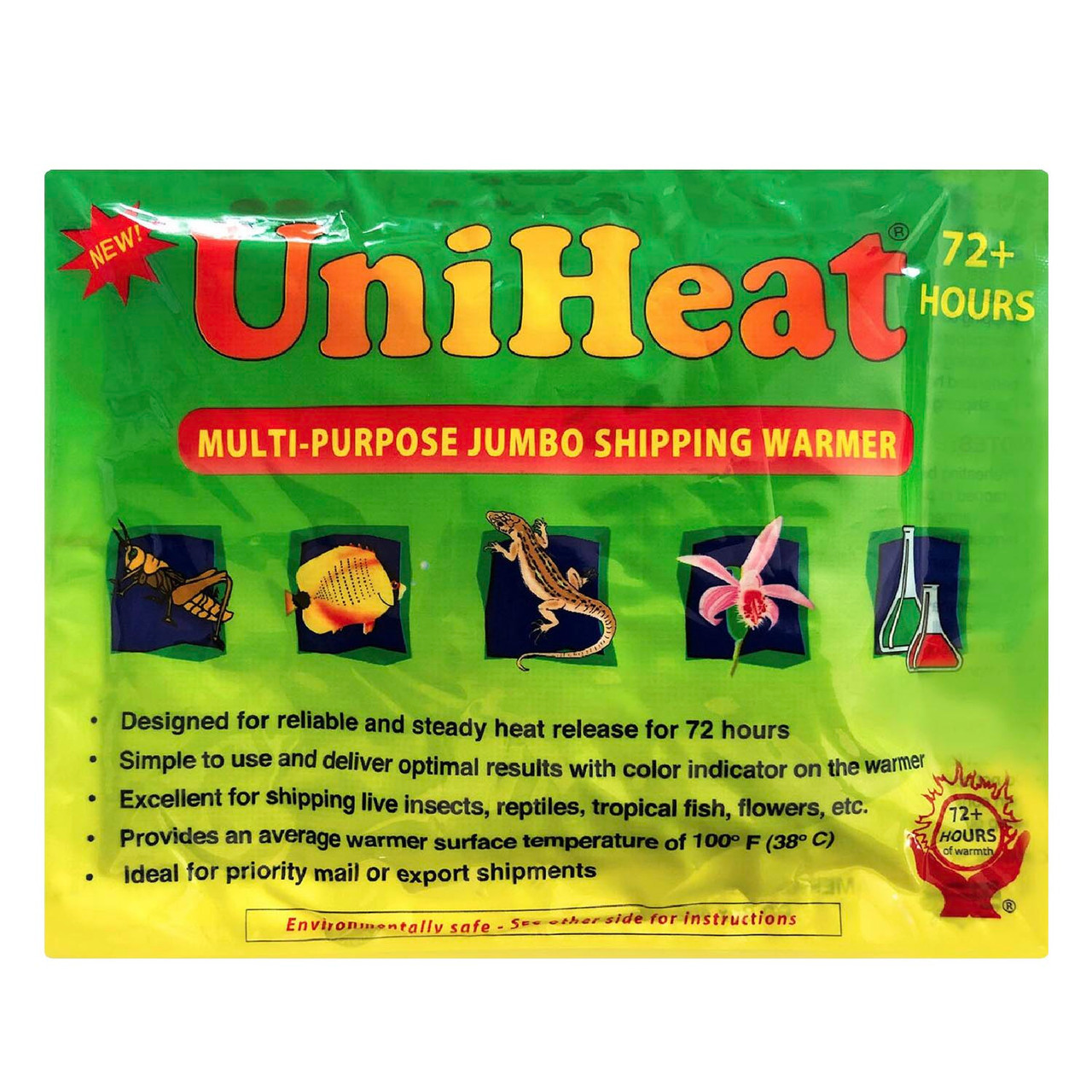
72 Hour Heat Packs
Frequently used for wine, RTDs, kombucha, cold brew, mixers, olive oil, and non-alcoholic beverage shipments during winter conditions.
- Standard ecommerce beverage shipping
- 2–3 day carrier transit windows
- General winter shipping protection
- Subscription beverage programs
- Moderate cold exposure risk
Extended Winter Protection
96 Hour Heat Packs
Recommended for severe winter storms, remote delivery zones, prolonged transit exposure, and higher delay-risk shipping environments.
- Severe winter weather
- Extended carrier transit windows
- Remote delivery routes
- Weekend exposure risk
- Higher freeze-risk beverage shipments

Additional Heat Durations Available
Explore the Full UniHeat Catalog
UniHeat offers multiple warmer durations and shipping configurations depending on beverage type, insulation quality, winter severity, packaging density, and carrier transit exposure.
Shop All UniHeat ProductsImportant Beverage Shipping Reminder
Even when beverages do not fully freeze, prolonged cold exposure may still damage packaging, affect carbonation, alter texture, disrupt emulsions, or negatively impact premium product presentation during winter shipping.
Winter Shipping Best Practices
Operational Guidance for Winter Beverage Shipping
Successful winter beverage shipping requires coordinated planning across packaging, insulation, transit timing, weather monitoring, and carrier routing. Even premium products may become vulnerable during prolonged cold exposure and severe winter delays.
Ship Early in the Week
Many beverage brands avoid Thursday and Friday winter shipments to reduce weekend holds and frozen warehouse exposure.
Monitor Destination Temperatures
Destination weather often matters more than the origin climate during winter beverage transit planning.
Reduce Empty Space
Excessive air gaps inside shipping cartons may accelerate internal temperature loss during cold-weather transit.
Use Proper Insulation
Foam shippers, thermal liners, molded pulp, and insulated dividers may significantly improve winter beverage protection.
Plan for Delays
Winter storms, frozen hubs, airport congestion, and rerouting may significantly extend actual transit exposure time.
Know When to Delay Shipment
Extreme cold snaps and major winter storms may create conditions where delaying shipment is the safer operational decision.
Operational Perspective
Winter Beverage Shipping Is a System, Not a Single Product
Heat packs perform best when integrated into a broader cold-weather shipping strategy that includes insulation, transit planning, realistic weather forecasting, carrier management, and beverage-specific packaging validation.
Important Reminder
Different beverages respond differently to cold exposure. Low-ABV and non-alcoholic beverages often require more aggressive winter protection strategies than higher-proof products.
Beverage Shipping Applications
Who Uses UniHeat for Beverage Shipping?
UniHeat warmers are used across wineries, RTD brands, non-alcoholic beverage companies, kombucha producers, subscription fulfillment programs, cold brew operations, gourmet food brands, and ecommerce beverage logistics during winter shipping conditions.
Wine Shipping
Wineries & Wine Clubs
Wine brands and wine clubs often use heat packs and insulated packaging during winter DTC shipping programs.
Non-Alcoholic Beverage Shipping
0.0% & Low-ABV Beverage Brands
Non-alcoholic beverages often carry elevated freeze risk because of lower alcohol content and water-heavy formulations.
RTD & Cocktail Shipping
Ready-to-Drink Brands
RTD cocktails, canned beverages, sparkling drinks, and mixers may require winter protection against freezing and pressure buildup.
Kombucha & Fermented Drinks
Live Culture Beverage Shipping
Kombucha and live-culture beverages may experience carbonation instability and freeze-thaw quality concerns during winter shipping.
Coffee & Specialty Drinks
Cold Brew & Functional Beverages
Cold brew coffee, adaptogenic drinks, and functional beverages may require insulation and freeze protection during cold-weather transit.
Specialty Ecommerce Fulfillment
Subscription & DTC Beverage Logistics
Subscription boxes and DTC beverage operations often require scalable winter packaging systems during peak seasonal shipping periods.
Winter Shipping Reality
Low-ABV & Non-Alcoholic Beverages Often Face Greater Freeze Risk
Traditional high-proof spirits resist freezing more effectively than many RTDs, juices, kombucha, mixers, olive oil products, and 0.0% beverages. Winter shipping strategies should reflect the actual freeze sensitivity of each product category.
Operational Reminder
Winter beverage shipping systems should be tested under realistic seasonal conditions before large-scale deployment across ecommerce or wholesale fulfillment operations.
Explore More Shipping Solutions
UniHeat Supports Multiple Temperature-Sensitive Industries
UniHeat shipping warmers are used across beverages, cosmetics, foods, plants, reptiles, aquatics, live animals, meal kits, supplements, and other cold-weather shipping applications.
Cold-Weather Beverage Shipping Education
Helpful Beverage & Winter Shipping Resources
Explore additional educational resources discussing beverage freeze risk, wine shipping, cold-weather packaging systems, non-alcoholic beverage logistics, RTD shipping, winter transit planning, and heat pack operational guidance.
Winter Beverage Shipping Reality
Non-Alcoholic & Low-ABV Products Often Freeze Faster
Traditional spirits resist freezing more effectively than many water-based beverages. RTDs, kombucha, juices, cold brew, olive oil, mixers, and 0.0% beverages may require stronger winter shipping protection depending on formulation and weather severity.
Operational Planning
Need Help Choosing the Right UniHeat Duration?
Different beverages require different winter shipping strategies depending on freeze sensitivity, insulation quality, packaging density, carrier exposure, and transit duration.
Browse UniHeat ProductsFrequently Asked Questions
Questions About Beverage Shipping & Heat Packs
Common questions about winter beverage shipping, freeze damage, wine transit, non-alcoholic beverage protection, packaging systems, and UniHeat warmers.
Can beverages freeze during shipping?
Yes. Many beverages may freeze during winter transit depending on alcohol content, sugar concentration, transit duration, insulation quality, and outside temperatures.
Do non-alcoholic beverages freeze faster than alcoholic beverages?
Often yes. Non-alcoholic beverages generally contain less alcohol protection and may freeze at higher temperatures than wine or spirits.
Can wine freeze during shipping?
Yes. While wine freezes at lower temperatures than water because of alcohol content, severe winter exposure may still cause cork push, leakage, bottle stress, or freeze-related damage.
Can canned beverages burst during freezing temperatures?
Yes. Expansion and carbonation pressure may cause cans to bulge, split, leak, or rupture during freeze-thaw cycles.
Which UniHeat duration is best for beverage shipping?
The best duration depends on beverage type, freeze sensitivity, insulation quality, weather severity, carrier exposure, and transit duration. Many beverage brands use 72-hour packs for standard winter shipping conditions.
Can cold temperatures affect beverage quality even without freezing?
Yes. Cold exposure may affect carbonation, emulsions, texture, sediment stability, oils, flavor balance, and overall product presentation.
Do heat packs work by themselves?
No. Heat packs perform best when combined with proper insulation, packaging density, void-fill reduction, weather planning, and appropriate carrier timing.
Should beverage shipments be delayed during severe winter storms?
In many cases, yes. Severe storms, frozen hubs, and major carrier disruptions may create conditions where delaying shipment is the safer operational decision.
Do sparkling beverages require special winter shipping considerations?
Yes. Sparkling beverages, kombucha, RTDs, and carbonated drinks may face increased pressure-related packaging risk during freeze-thaw cycles.
Should winter beverage packaging systems be tested?
Yes. Beverage packaging systems should be validated under realistic winter conditions because actual performance varies by beverage type, insulation, transit exposure, and weather severity.
Educational Disclaimer
This page is intended for educational and operational planning purposes only. Beverage freeze behavior varies by formulation, ABV, sugar concentration, carbonation, packaging type, insulation system, transit duration, weather severity, and carrier handling conditions.
Sources, References & Operational Notes
Educational Beverage Shipping Resource
This page was created as an educational resource discussing beverage freeze risk, wine shipping, non-alcoholic beverage logistics, RTD shipping, kombucha transit, cold-weather ecommerce fulfillment, insulation systems, and winter shipping operational considerations commonly referenced across beverage and logistics industries.
Reference Sources
Scientific freeze-point references, wine logistics discussions, ecommerce shipping resources, beverage packaging guidance, and cold-chain operational education.
Operational Variables
Alcohol content, sugar concentration, carbonation, packaging density, insulation quality, and transit exposure all influence winter shipping outcomes.
Operational Reminder
Every beverage packaging configuration should be validated under realistic winter shipping conditions before large-scale deployment.
Important Disclaimer
UniHeat warmers help support safer winter beverage shipping conditions, but no packaging system can eliminate all cold-weather transit risk. Beverage shipments may still experience freezing, leakage, carbonation loss, separation, packaging rupture, label damage, texture changes, or quality degradation depending on formulation, insulation, weather severity, carrier handling, and total transit duration.
Detailed Sources & References
Linked Beverage Shipping References
The references below support generalized educational discussions regarding beverage freeze behavior, wine logistics, cold-chain shipping, insulation systems, winter transit exposure, and ecommerce shipping operations. They are provided for educational context and should not replace product-specific testing or professional operational review.
Tier 1 · Scientific / Regulatory / Physical Properties
Engineering Toolbox — Ethanol / Water Freeze Points — generalized ethanol concentration and freezing point reference data.
Alcohol and Tobacco Tax and Trade Bureau (TTB) — beverage alcohol industry regulations and reference resources.
U.S. Food & Drug Administration — Food Guidance — food and beverage handling guidance resources.
Tier 2 · Industry & Operational Guidance
Wine Business Monthly — wine shipping, logistics, and operational industry discussions.
Food Logistics — cold-chain and transportation logistics discussions relevant to beverage shipping.
Shipware Shipping Blog — ecommerce shipping and parcel carrier operational discussions.
Tier 3 · Commercial / Packaging Consensus
ULINE — Insulated Shipping Supplies — commercial insulation and thermal packaging reference materials.
Packaging Digest — packaging performance and shipping materials industry discussions.
EasyPost Shipping Guides — ecommerce shipping and winter transit educational content.
Product & Catalog References
UniHeat Full Catalog — complete selection of UniHeat warmer durations and shipping configurations.
UniHeat 72 Hour Heat Pack — common duration used for standard winter beverage shipping conditions.
UniHeat 96 Hour Heat Pack — extended-duration option for severe winter weather and prolonged transit exposure.
Winter Beverage Shipping Solutions
Need Heat Packs for Beverage Shipping?
Explore UniHeat warmers used across wine shipping, RTDs, non-alcoholic beverages, kombucha, cold brew, olive oil, mixers, and specialty ecommerce beverage fulfillment.
Common Beverage Applications
- Wine club shipping
- Non-alcoholic beverage fulfillment
- RTD & canned cocktail transit
- Kombucha shipping
- Cold brew coffee logistics
- Olive oil winter shipping
- Subscription beverage programs
- Specialty ecommerce beverage fulfillment
Cold-Weather Beverage Shipping Solutions
Support Safer Winter Beverage Shipping with UniHeat
UniHeat warmers are trusted across wineries, RTD brands, non-alcoholic beverage companies, kombucha producers, cold brew operations, gourmet food brands, subscription programs, and ecommerce beverage fulfillment operations to help support safer winter shipping conditions.
Wine & Beverage Shipping
Freeze Protection Matters
Winter shipping exposure may lead to leakage, carbonation loss, separation, bottle stress, or freeze-related packaging damage.
Non-Alcoholic & Low-ABV Products
Often More Vulnerable to Freezing
0.0% beverages, mixers, juices, kombucha, cold brew, and RTDs may require stronger winter shipping protection strategies.
Transit Planning
Winter Delays Increase Exposure Risk
Frozen hubs, carrier congestion, weather delays, and prolonged transit exposure can significantly increase beverage shipping risk.
Full Product Catalog
Explore All UniHeat Warmers & Shipping Durations
UniHeat offers multiple warmer durations and shipping configurations used across wine shipping, RTDs, non-alcoholic beverages, kombucha, cold brew, olive oil, gourmet foods, subscription fulfillment, and cold-weather ecommerce logistics.
Browse Full UniHeat Catalog