
Live Animal Shipping
Live Animal Shipping Solutions
Cold-Weather Shipping Protection for Live Animal Shipments
Live animal shipments are highly sensitive to winter transit conditions. Day-old poultry, hatching eggs, live bees, feeder insects, worms, crustaceans, beneficial insects, and other live shipments may be vulnerable to cold exposure, carrier delays, inadequate ventilation, and improper packaging during cold-weather shipping.
UniHeat shipping warmers help hatcheries, breeders, beekeepers, insect farms, worm farms, aquaculture operations, specialty shippers, and fulfillment teams support safer cold-weather shipping environments for temperature-sensitive live animal transit.
Species-Specific Risk
Different Animals, Different Thresholds
Chicks, bees, worms, insects, and crustaceans each respond differently to cold exposure and transit delays.
Cold Stress Prevention
Warmth Can Be Critical
UniHeat warmers help reduce damaging cold exposure during winter transit for many live animal shipments.
Ventilation Balance
Airflow Still Matters
Live animal packaging must balance insulation, warmth retention, heat pack activation, and adequate ventilation.
Carrier Rules
Compliance Is Essential
USPS, FedEx, and UPS live animal rules vary by species, service level, season, and packaging requirements.
Cold-Weather Live Animal Transit Risks
Why Live Animal Shipping Requires Careful Winter Planning
Live animal shipments are affected by temperature, ventilation, transit duration, carrier handling, packaging density, and species-specific sensitivity. A setup that works for feeder insects may not work for day-old poultry, bees, worms, hatching eggs, or dormant beneficial insects.
Cold Stress
Low Temperatures Can Quickly Increase Mortality Risk
Day-old chicks, package bees, crickets, worms, and other live shipments may experience stress, inactivity, or mortality when exposed to prolonged cold conditions.
Ventilation Requirements
Insulation Cannot Block Airflow
Live animal packaging must retain warmth while still allowing enough ventilation for the animals and enough oxygen for air-activated heat packs.
Carrier Delays
A Small Delay Can Become a Serious Risk
Snowstorms, rerouting, weekend holds, missed scans, and frozen carrier hubs may extend cold exposure beyond the original packaging plan.
Species Differences
Some Ship Warm, Some Ship Cool
Day-old poultry and bees often need warmth during winter, while some beneficial insects may need cool dormant transit and should not receive heat packs.
Packaging Density
Box Size and Animal Count Affect Heat Behavior
The number of animals, bedding, ventilation holes, insulation thickness, void space, and heat pack placement all affect internal shipping conditions.
Carrier Rules
Every Species May Have Different Shipping Rules
USPS, FedEx, and UPS acceptance rules vary by species, packaging, service level, season, and destination. Always confirm current carrier requirements before shipping.
Important Live Animal Shipping Note
Heat packs can help reduce cold-weather risk for many live animal shipments, but they are not appropriate for every species or every packaging system. Some dormant beneficial insects require cool transit, and all live animal shipments should follow species-specific guidance and current carrier rules.
Live Animal Shipping Reference Guide
Generalized Cold-Weather Thresholds for Live Animal Shipping
Different live animal shipments respond differently to cold exposure during transit. The reference ranges below reflect generalized educational guidance commonly discussed across hatchery operations, live insect shipping, poultry fulfillment, aquaculture logistics, apiary transport, and live animal ecommerce fulfillment.
Educational Use Only
Cold tolerance depends on species, age, humidity, oxygen availability, packaging density, acclimation, transit duration, and seasonal conditions.
| Shipment Category | Generalized Temperature Considerations | Common Cold Risk Range | Typical Transit Concern | Reference Tier |
|---|---|---|---|---|
|
Day-Old Poultry
Chicks, ducklings, goslings
|
Young poultry shipments are highly sensitive to prolonged cold exposure and rapid temperature swings during transit. | Below ~60°F | Cold stress, lethargy, mortality | Tier 1 |
|
Package Bees
Honey bee shipments & queens
|
Bee shipments may become stressed or inactive during prolonged cold exposure and poor ventilation conditions. | Below ~45–50°F | Cluster stress, inactivity, mortality | Tier 2 |
|
Feeder Insects
Crickets, roaches, mealworms
|
Many feeder insects are vulnerable to freezing temperatures and prolonged cold exposure during winter transit. | Near or below 40°F | Immobilization, mortality, condensation | Tier 2 |
|
Beneficial Insects
Ladybugs, predatory mites, lacewings
|
Some beneficial insects are intentionally shipped cool or dormant and may not require heat packs during transit. | Species-specific | Premature activation, shortened viability | Tier 3 |
|
Live Worms
Earthworms & compost worms
|
Worm shipments may experience mortality when frozen or exposed to severe cold during transit. | Near freezing | Freezing, dehydration, condensation | Tier 2 |
|
Live Animal Packaging Systems
Boxes, bedding, ventilation, insulation
|
Packaging must balance warmth retention, airflow, moisture control, heat pack activation, and species-specific oxygen requirements. | Configuration-specific | Condensation, oxygen reduction, cold exposure | Tier 3 |
Reference Tier Legend
Important Live Animal Reminder
Not all live animal shipments should use heat packs. Some species may require cool or dormant transit conditions. Always confirm species-specific requirements, ventilation needs, and current carrier policies before shipping live animals during winter conditions.
Packaging & Ventilation Considerations
Balancing Warmth, Airflow & Safety in Live Animal Shipping
Live animal packaging is fundamentally different from standard ecommerce shipping. Winter packaging systems must help reduce cold exposure while still allowing appropriate airflow, humidity control, and species-specific ventilation. Heat retention without airflow may create dangerous conditions for live shipments.
Airflow Matters
Ventilation Cannot Be Fully Sealed
Live animals and air-activated heat packs both require oxygen. Blocking ventilation holes may reduce survival and reduce heat pack performance.
Species-Specific Setup
Different Species Require Different Packaging
Day-old chicks, bees, worms, feeder insects, and dormant beneficial insects may each require different winter transit conditions.
Moisture Management
Condensation Can Become a Serious Risk
Warm internal air combined with cold external exposure may create moisture buildup inside live animal packaging systems.
Heat Pack Placement
Warmers Should Not Be Randomly Positioned
Direct heat pack placement against animals or insufficient buffering may create localized overheating or uneven internal conditions.
Carrier Exposure
Packages May Sit in Extreme Conditions
Winter shipments may experience loading docks, airport tarmacs, frozen hubs, delivery trucks, or overnight warehouse exposure.
Packaging Validation
Every Winter Setup Should Be Tested
Packaging systems should be tested under realistic transit conditions before scaling winter live animal shipping operations.
Common Live Animal Packaging Components
- Ventilated shipping boxes
- Breathable insulation layers
- UniHeat warmers
- Moisture-control bedding
- Ventilation holes
- Cardboard dividers
- Breathable liners
- Species-specific inserts
Critical Operational Reminder
Heat packs are only one component within a live animal shipping system. Successful winter transit also depends on ventilation design, insulation strategy, moisture management, species-specific requirements, carrier routing, and realistic transit planning.
Heat Pack Duration Recommendations
Choosing the Right UniHeat Duration for Live Animal Shipping
Selecting the correct heat pack duration depends on species sensitivity, ventilation requirements, insulation setup, transit duration, weather severity, and carrier delay risk. Live animal shipping systems must balance warmth with safe airflow and species-specific handling requirements.
Short Transit Routes
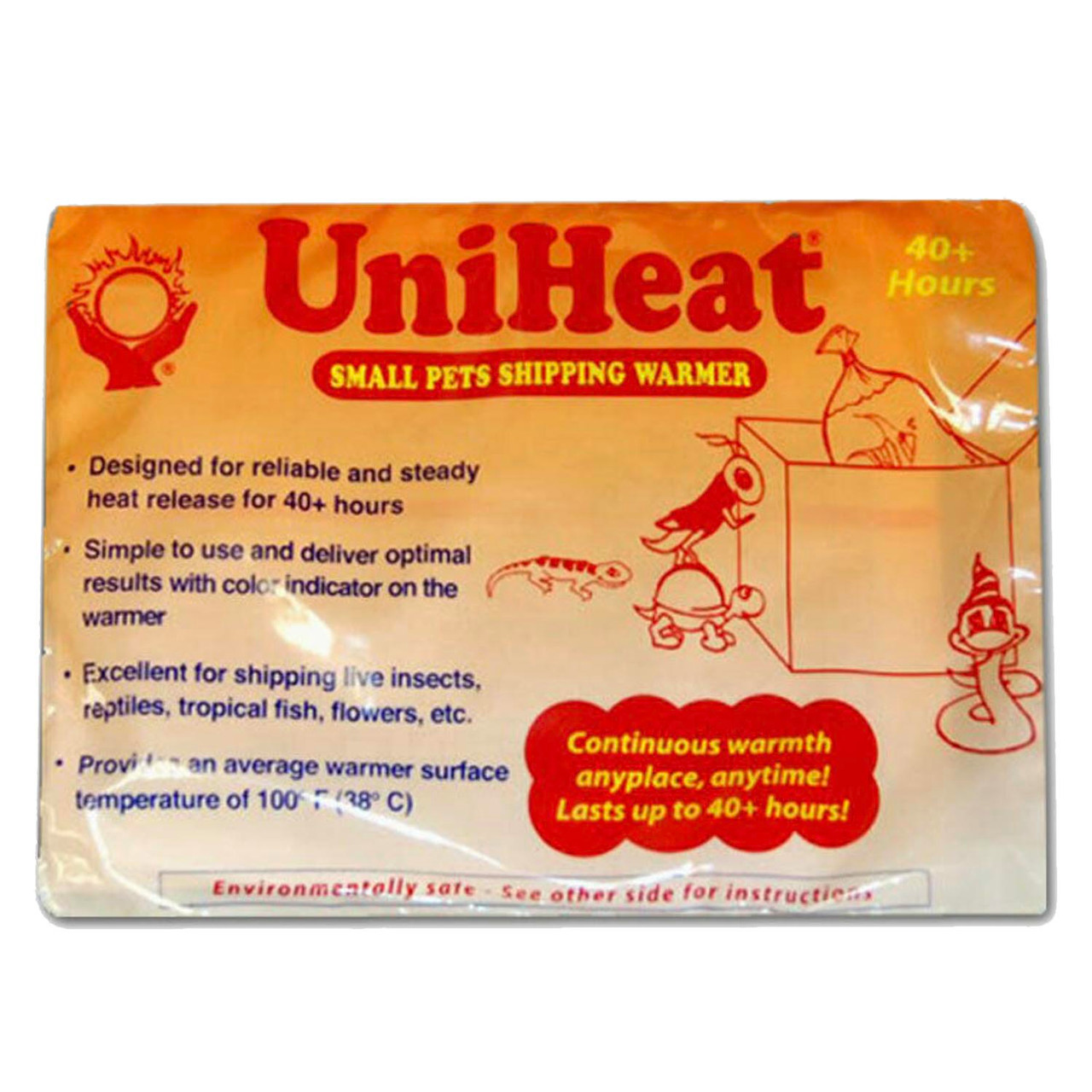
40 Hour Heat Packs
Often used for overnight or regional live animal shipments where limited winter exposure and lower delay risk are expected.
- Overnight poultry shipping
- Regional insect shipments
- Short-distance transit
- Milder winter climates
- Lower delay-risk routes
Standard Winter Shipping
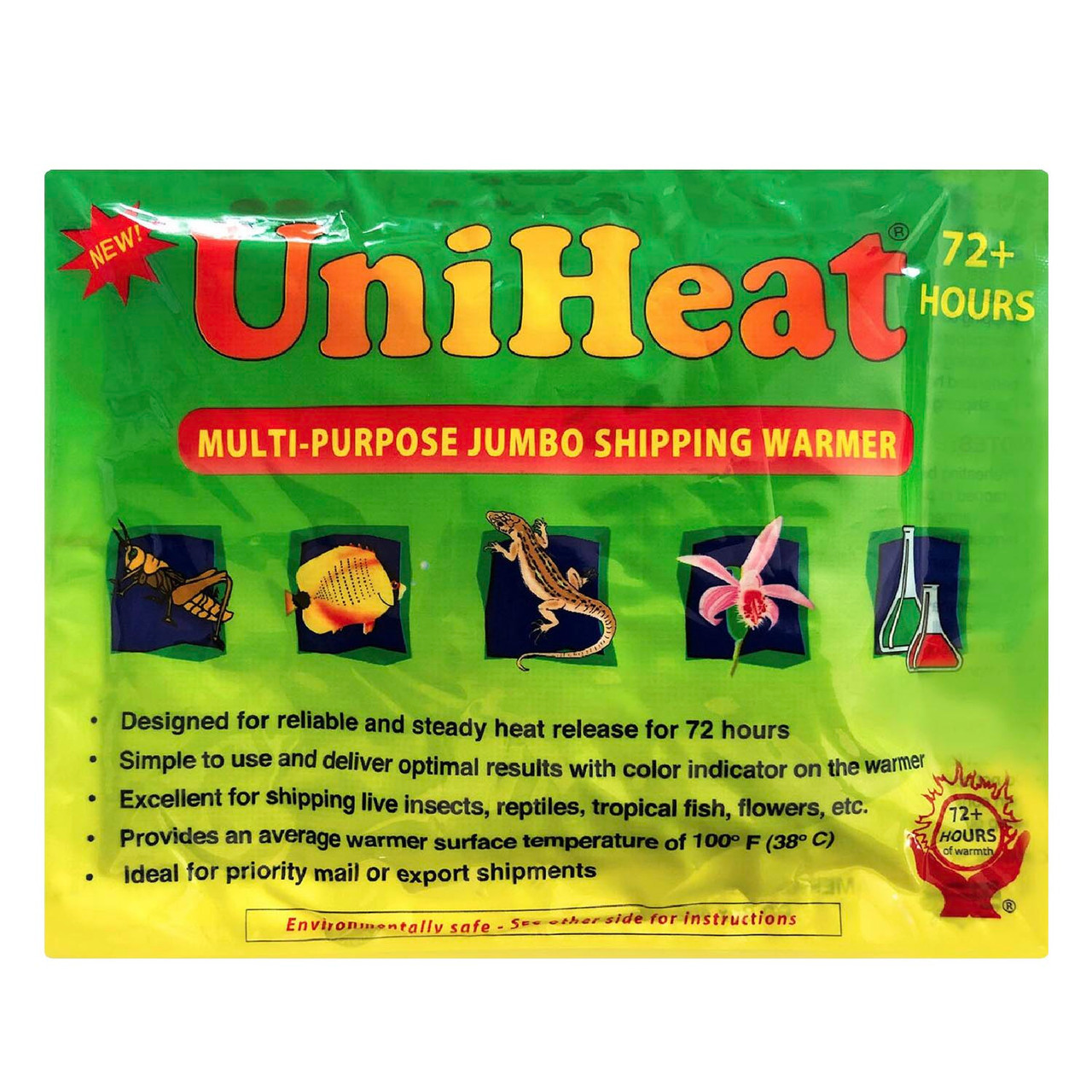
72 Hour Heat Packs
Frequently used for winter poultry, bee, feeder insect, worm, and other temperature-sensitive live shipments where moderate delays may occur.
- Standard winter live shipments
- 1–2 day transit routes
- Moderate cold exposure
- Seasonal hatchery fulfillment
- General winter carrier protection
Extended Winter Protection
96 Hour Heat Packs
Recommended for severe winter conditions, remote deliveries, weekend exposure risk, and higher delay-risk live animal transit routes.
- Extended transit windows
- Severe winter weather
- Remote destinations
- Weekend shipping risk
- Higher carrier delay exposure

Additional Heat Durations Available
Explore the Full UniHeat Catalog
UniHeat offers multiple warmer durations and shipping configurations depending on species sensitivity, ventilation requirements, packaging systems, winter severity, and transit duration.
Shop All UniHeat ProductsCritical Live Animal Reminder
Heat packs are not appropriate for every live shipment. Some beneficial insects and dormant biological shipments may require cooler transit conditions. Always follow species-specific guidance, ventilation requirements, and current carrier regulations before shipping live animals during winter conditions.
Explore More Shipping Solutions
UniHeat supports more than live animal shipping.
UniHeat warmers are also used for beverage shipping, plant transit, aquatics, specialty foods, cosmetics, insects, and other temperature-sensitive shipments during cold-weather transit.
Wine · RTDs · Drinks
Beverage Shipping
Winter shipping support for wine, RTDs, juices, and specialty beverages.
Plants · Seedlings
Plant Shipping
Cold-weather protection for tropical plants, seedlings, and nursery shipments.
Reptiles · Amphibians
Reptile Shipping
Winter shipping support for reptiles, amphibians, insects, and feeder shipments.
Fish · Coral · Aquatics
Aquatic Shipping
Support for tropical fish, coral, live aquatic plants, and marine livestock.
Live Animal Shipping Applications
Who Uses UniHeat for Live Animal Shipping?
UniHeat warmers are used across multiple live animal shipping industries during winter conditions. Different operations may use different ventilation systems, insulation setups, bedding materials, and heat pack durations depending on species sensitivity and transit exposure.
Poultry Hatcheries
Day-Old Chick Shipping
Winter poultry shipping operations often use insulated ventilated boxes combined with carefully planned warmth retention systems.
Apiary Shipping
Package Bees & Queens
Bee shipments may require careful ventilation, moderate warmth, and realistic transit planning during winter conditions.
Feeder Insect Farms
Cricket & Roach Shipping
Feeder insect shipments may use heat packs to reduce freezing risk during winter ecommerce fulfillment and reptile feeder transit.
Worm Farms
Live Worm Shipping
Earthworm and compost worm operations often require moisture management and freeze protection during winter shipments.
Beneficial Insect Suppliers
Biological Pest Control Shipping
Some beneficial insects are intentionally shipped dormant or cool and may require highly specialized packaging approaches.
Specialty Live Animal Fulfillment
Cold-Weather Biological Transit
Specialty breeders, hatcheries, and biological fulfillment operations often require seasonal winter transit adjustments.
Winter Shipping Reality
No Single Packaging Setup Works for Every Species
The ventilation needs of bees are different from feeder insects. Poultry shipments behave differently from worm shipments. Dormant beneficial insects may require cool transit while other live shipments require active warming. Winter shipping systems should always be species-specific.
Operational Reminder
UniHeat warmers are designed to support cold-weather shipping conditions, but live animal packaging systems should always be validated under realistic transit conditions before large-scale use.
Explore More Shipping Solutions
UniHeat Supports Multiple Temperature-Sensitive Industries
UniHeat shipping warmers are used across live animal transit, aquatics, reptiles, meal kits, beverages, cosmetics, foods, plants, supplements, and other cold-weather shipping applications.
Cold Weather Shipping Education
Helpful Live Animal & Winter Shipping Resources
Explore additional educational resources discussing cold-weather shipping, heat pack usage, packaging systems, transit planning, and winter logistics considerations for temperature-sensitive shipments.
Industry Reminder
Winter Shipping Conditions Can Change Rapidly
Live animal shipping operations should continuously monitor weather forecasts, carrier advisories, routing conditions, and destination temperatures during winter months. Even well-designed packaging systems may experience elevated risk during severe cold events or major carrier disruptions.
Operational Planning
Need Help Choosing the Right UniHeat Duration?
Different live animal shipments may require different winter shipping setups depending on species sensitivity, transit duration, ventilation design, and weather exposure risk.
Browse UniHeat ProductsFrequently Asked Questions
Questions About Live Animal Shipping Heat Packs
Common questions about using UniHeat warmers, ventilation, insulation, carrier rules, and cold-weather planning for live animal shipping.
Do live animal shipments need heat packs during cold weather?
Many live animal shipments may benefit from heat packs during cold-weather transit, including day-old poultry, bees, worms, feeder insects, and some specialty biological shipments. However, heat packs are not appropriate for every species.
Are heat packs safe for all live animal shipments?
No. Some beneficial insects and dormant biological shipments may require cool transit conditions. Always confirm species-specific requirements before adding heat packs.
Do UniHeat warmers require airflow?
Yes. UniHeat warmers are air-activated and require oxygen to perform properly. Live animal packaging must balance warmth retention with proper ventilation.
Should live animal boxes be sealed tightly to keep warmth inside?
No. Over-sealing can reduce airflow for both the animals and the heat pack. Live animal shipments typically require breathable packaging and proper ventilation.
Which UniHeat duration is best for live animal shipping?
The best duration depends on species sensitivity, transit time, outside temperature, insulation, ventilation, and delay risk. 40-hour packs are often used for shorter routes, 72-hour packs for standard winter shipments, and 96-hour packs for extended exposure risk.
Can heat packs touch live animals directly?
In most packaging systems, heat packs should be separated from live animals with cardboard, breathable barriers, bedding, or other buffer materials. Direct contact may create uneven heat exposure.
Why are carrier rules important for live animal shipping?
USPS, FedEx, and UPS live animal rules vary by species, service level, season, destination, and packaging type. Always confirm current carrier requirements before shipping.
Can carrier delays increase live animal shipping risk?
Yes. Winter storms, rerouting, missed scans, weekend holds, frozen hubs, and severe weather delays may extend cold exposure and increase live arrival risk.
Should live animal packaging be tested before winter shipping?
Yes. Live animal packaging should be tested under realistic winter conditions because insulation, ventilation, heat pack placement, bedding, species density, and carrier exposure all affect performance.
When should live animal shipments be delayed?
Shipments should often be delayed during severe winter storms, major carrier disruptions, extreme destination temperatures, holiday congestion, or conditions that exceed the validated packaging system.
Educational Disclaimer
This page is intended for educational and operational planning purposes only. Live animal shipping outcomes vary by species, carrier rules, packaging configuration, ventilation, insulation, heat pack placement, weather severity, transit duration, and handling conditions.
Sources, References & Operational Notes
Educational Live Animal Shipping Resource
This page was created as an educational resource discussing live animal winter shipping, hatchery logistics, bee transport, feeder insect fulfillment, worm shipping, ventilation systems, cold-weather packaging, and heat pack integration commonly referenced across live animal and biological shipping industries.
Reference Sources
Carrier guidance, hatchery shipping references, apiary transport practices, insect fulfillment resources, winter shipping education, and cold-weather operational discussions.
Operational Variables
Species sensitivity, oxygen demand, insulation quality, ventilation setup, weather severity, transit duration, and carrier handling all affect outcomes.
Operational Reminder
Every live animal packaging configuration should be validated under realistic seasonal shipping conditions before operational scaling.
Important Disclaimer
UniHeat warmers help support safer winter shipping conditions for many live animal shipments, but no packaging system can eliminate all biological transit risk. Live shipments may still experience stress, mortality, dehydration, oxygen reduction, condensation, freezing, overheating, or delayed delivery depending on species sensitivity, ventilation, insulation, weather severity, carrier handling, and total transit duration.
Detailed Sources & References
Linked Live Animal & Winter Shipping References
The references below support generalized educational discussions regarding live animal transport, hatchery shipping, bee transit, biological fulfillment, cold-weather exposure, ventilation systems, and winter logistics planning. They are provided for educational context and should not replace species-specific expertise or carrier compliance requirements.
Tier 1 · Government / Veterinary / Regulatory
USPS Publication 52 — Live Animal Rules — official USPS guidance for mailing live animals and biological materials.
USDA APHIS — animal health, biological transport, and agricultural guidance resources.
American Veterinary Medical Association — animal welfare and transport educational resources.
Tier 2 · Industry & Operational Guidance
The Chicken Chick — Shipping Day-Old Chicks — hatchery shipping and poultry transit discussions.
Bee Informed Partnership — educational information related to honey bee management and transport.
Food Logistics — cold-chain and shipping industry discussions relevant to winter transit exposure.
Tier 3 · Commercial / Packaging References
ULINE — Insulated Shipping Supplies — commercial insulation and shipping material reference.
Shipping School — How to Ship Live Animals — educational shipping overview and operational considerations.
EasyPost Shipping Guides — ecommerce shipping and winter transit guidance.
Product & Catalog References
UniHeat Full Catalog — complete selection of UniHeat warmer durations and shipping configurations.
UniHeat 72 Hour Heat Pack — common duration used for standard winter live animal transit protection.
UniHeat 96 Hour Heat Pack — extended-duration option for severe winter weather and higher delay-risk transit routes.
Winter Shipping Solutions
Need Heat Packs for Live Animal Shipping?
Explore UniHeat warmers used across poultry shipping, apiary transport, feeder insect fulfillment, worm transit, aquatics, reptile shipping, and cold-weather live biological logistics.
Common Live Animal Applications
- Day-old poultry shipping
- Package bee transit
- Feeder insect fulfillment
- Worm farm shipping
- Biological pest control shipments
- Specialty hatchery logistics
- Cold-weather live animal transit
- Winter biological fulfillment systems