
Aquatics Shipping
Aquatics Shipping Solutions
Cold-Weather Shipping Protection for Fish, Coral & Aquatic Livestock
Cold-weather shipping can create serious risks for tropical fish, coral, shrimp, marine livestock, freshwater invertebrates, and aquatic plants. Exposure to freezing temperatures, delayed transit, poor insulation, or improper heat pack placement may cause water temperatures to drop outside safe ranges during shipment.
UniHeat shipping warmers are used by aquatics suppliers, fish breeders, coral vendors, aquarium retailers, and hobbyist shippers to help support warmer packaging environments during cold-weather transit. Heat pack duration, insulation, airflow, bag placement, water volume, and route planning all matter when shipping aquatic livestock in winter conditions.
Industry Use
Fish, Coral & Aquatics
Used for tropical fish, coral, shrimp, aquatic plants, freshwater livestock, and marine shipments.
Transit Support
Water-Based Shipping
Heat packs are commonly paired with insulated boxes, proper airflow, and separated water bag placement.
Educational Reference
Temperature Thresholds
This page includes reported aquatics shipping temperature ranges, cold-risk references, and packaging considerations.
Important Note
Stable Water Temps Matter
Species sensitivity, water volume, insulation, oxygen needs, airflow, and transit duration all influence outcomes.
Cold-Weather Aquatics Transit Risks
Why Aquatic Shipments Become Vulnerable During Winter Transit
Cold-weather aquatics shipping involves more than adding a heat pack to a box. Fish, coral, shrimp, aquatic plants, and marine livestock can be affected by outside temperatures, water volume, insulation quality, oxygen levels, bag positioning, transit duration, and cold carrier environments. Small shifts in water temperature during transit may create stress or shock for temperature-sensitive aquatic species.
Temperature Exposure
Rapid Water Cooling
Cold outside temperatures may lower water temperatures during transit, especially in poorly insulated packaging or during extended shipping delays. Tropical aquatic species are often especially sensitive to sudden thermal changes.
Transit Delays
Extended Exposure Windows
Winter storms, missed scans, aircraft delays, and weekend holds may keep aquatic shipments exposed to cold conditions longer than expected. Longer exposure periods increase the likelihood of water temperature instability.
Bag Volume
Small Water Volumes Cool Faster
Smaller water volumes may lose heat more rapidly during transit. Bag sizing, water quantity, and insulation thickness all influence how quickly temperatures change inside aquatic shipments.
Packaging Setup
Insulation & Box Configuration
Foam liners, insulated containers, bag positioning, and void management all affect temperature stability. Excess empty space or poor insulation may reduce thermal retention during winter shipping.
Heat Pack Placement
Direct Heat Exposure Risks
Heat packs placed too close to fish bags or coral containers may create localized overheating. Many aquatics shippers separate heat sources using cardboard barriers or suspended placement methods.
Airflow & Oxygen
Heat Packs Require Ventilation
UniHeat warmers are air-activated and require oxygen to function properly. Overly sealed boxes or blocked ventilation may reduce heat pack performance during aquatic transit.
Important Educational Note
This page is intended as an educational cold-weather aquatics shipping resource based on publicly discussed aquarium industry practices and temperature-sensitive livestock shipping considerations. Shipping outcomes vary depending on species sensitivity, water volume, oxygenation, insulation setup, heat pack placement, weather severity, and transit duration. Testing packaging systems before peak winter shipping is strongly recommended.
Industry-Reported Shipping Thresholds
Aquatics Cold-Weather Shipping Reference
Different aquatic species tolerate cold transit conditions differently. Tropical fish and coral are often highly temperature-sensitive, while cold-water species may tolerate lower temperatures more effectively during shipment. The table below reflects generalized educational references commonly discussed across aquarium shipping and aquatics logistics communities — not guaranteed survival temperatures.
Educational Use Only
Actual shipping outcomes vary based on species sensitivity, water volume, oxygen levels, bag configuration, insulation thickness, heat pack duration, transit delays, and carrier handling.
| Category | Reported Thresholds | Common Caution Range | Primary Transit Risk | Reference Tier |
|---|---|---|---|---|
|
Tropical Freshwater Fish
Tetras, gouramis, livebearers, cichlids
|
Tank temperatures commonly reported around 75–80°F. Hardy species may tolerate brief exposure near ~68°F; discus often require warmer conditions. | Below ~68°F water temp | Cold stress, immune suppression, shipping shock | Tier 3 |
|
Cold-Water Fish
Goldfish, koi, white cloud minnows
|
Tank temperatures commonly reported around 60–75°F. More cold-tolerant than tropical species; may tolerate brief exposure near ~50°F. | Below ~50°F water temp | Stress, lethargy, extended cold exposure | Tier 3 |
|
Saltwater / Marine Fish
Clownfish, tangs, wrasses, angelfish
|
Marine tank temperatures commonly reported around 76–80°F. Brief exposure near ~70°F may be tolerated, but sudden swings are risky. | Below ~70°F water temp | Cold stress, shock, rapid temperature fluctuations | Tier 3 |
|
Coral & Reef Livestock
SPS, LPS, soft corals, anemones
|
Most corals are commonly maintained around 77–80°F. Sustained cold below ~70°F is widely treated as risky for reef livestock. | Below ~70°F water temp | Bleaching, tissue recession, stress response | Tier 3 |
|
Shrimp & Freshwater Inverts
Neocaridina, Caridina, snails, crayfish
|
Hardier shrimp species are commonly kept around 65–75°F. Caridina are often treated as more sensitive than Neocaridina. | Below ~60°F water temp | Temperature shock, stress, molting issues | Tier 3 |
|
Aquatic Plants
Anubias, java fern, stem plants, mosses
|
Most freshwater aquatic plants are commonly maintained around 65–82°F. Tropical plants may suffer below ~60°F. | Below ~60°F water temp | Leaf melt, dieback, tissue damage | Tier 3 |
Reference Tier Legend
Important Transit Planning Note
Temperature ranges shown above are generalized educational references compiled from publicly available aquarium care guidance, aquatics shipping practices, reef-keeping discussions, and established commercial aquatics references. Actual species tolerance varies substantially depending on acclimation, oxygen levels, water chemistry, bag volume, insulation setup, and total transit exposure duration.
Aquatics Type & Transit Analysis
Different Aquatic Shipments Require Different Winter Shipping Strategies
Cold-weather aquatics shipping varies significantly depending on species sensitivity, water volume, oxygen demand, bag configuration, and overall transit duration. Tropical reef coral, freshwater shrimp, discus fish, aquatic plants, and cold-water species all respond differently to winter shipping conditions and packaging environments.
Tropical Freshwater Fish
Discus, Bettas, Tetras & Sensitive Freshwater Species
Many tropical freshwater species are highly sensitive to temperature swings during transit. Sudden water cooling may contribute to stress, weakened immune response, or shipping losses during prolonged winter exposure.
Marine Fish & Reef Livestock
Saltwater Species Often Require Stable Temperatures
Marine livestock and reef species are frequently shipped with conservative insulation setups because many reef organisms react poorly to rapid thermal fluctuations during transit.
Coral Shipping
Thermal Stability Is Often Critical
Coral shipments may be vulnerable to bleaching, tissue recession, or stress when exposed to unstable winter temperatures. Many reef shippers prioritize insulation quality and route timing during colder months.
Freshwater Shrimp & Invertebrates
Smaller Water Volumes Increase Sensitivity
Shrimp and smaller invertebrate shipments often use smaller bags and lower water volumes, which may cool faster during winter transit if insulation is insufficient.
Aquatic Plants
Cold Injury Depends on Plant Species
Some aquatic plants tolerate cooler temperatures better than others, while tropical varieties may experience tissue damage or melt during cold-weather exposure.
Cold-Water Species
Tolerance Varies by Species & Exposure Duration
Cold-water species may tolerate lower transit temperatures better than tropical fish, though prolonged freezing exposure or unstable conditions may still create shipping risks.
Operational Shipping Principle
Many aquatic shipping losses are associated with unstable temperature swings rather than a single short-term cold exposure event.
Transit delays, cold hubs, overnight storage, frozen delivery vehicles, and fluctuating water temperatures may compound stress during shipment. Many experienced aquatics shippers evaluate total exposure time across the full route — not simply the final delivery forecast.
Common Winter Aquatics Shipping Practices
- Using insulated foam-lined boxes
- Separating heat packs from water bags
- Monitoring carrier weather conditions
- Reducing empty space inside boxes
- Using Hold For Pickup during freezes
Packaging & Insulation Guidance
Aquatics Packaging Setup Often Determines Winter Shipping Stability
Heat packs work as part of a broader insulated shipping system. Foam liners, water volume, bag placement, oxygenation, airflow, and insulation thickness all influence how stable temperatures remain during winter aquatics shipping. Tropical fish, coral, shrimp, aquatic plants, and marine livestock often require different packaging approaches depending on species sensitivity and transit duration.
Foam Insulation
Foam Liners Help Stabilize Water Temperatures
Insulated foam containers are commonly used in aquatics shipping to reduce rapid temperature fluctuations. Longer routes and colder climates often require thicker insulation and more conservative winter packaging setups.
Bag Placement
Positioning Affects Temperature Stability
Bag positioning inside the insulated box may influence heat distribution and thermal consistency. Many aquatics shippers avoid placing livestock bags directly against outer box walls during winter transit.
Heat Pack Separation
Avoid Direct Contact with Livestock Bags
Heat packs are commonly mounted away from direct water bag contact using cardboard barriers or suspended placement methods to reduce localized overheating risk.
Water Volume
Larger Water Masses Retain Heat Longer
Smaller bags and lower water volumes may cool more rapidly during winter shipping. Water quantity is often balanced against oxygen requirements and shipping weight considerations.
Airflow & Activation
Heat Packs Require Oxygen to Function
UniHeat warmers are air-activated. Packaging that is overly sealed or lacks ventilation may reduce airflow and affect heat pack activation during transit.
Transit Duration
Longer Routes Increase Thermal Risk
A packaging setup that performs well for overnight shipping may behave differently during multi-day winter transit. Carrier delays and severe cold increase the importance of insulation quality and heat duration planning.
Common Aquatics Packaging Workflow
Typical Winter Aquatics Shipping Setup
Many aquatics suppliers and aquarium shippers follow a layered packaging approach designed to reduce rapid water temperature changes during winter transit.
Livestock Preparation
Fish, coral, or aquatic livestock are bagged with water and oxygen support.
Insulated Boxing
Foam liners and thermal barriers are added to reduce heat loss during transit.
Heat Pack Placement
Heat packs are separated from livestock bags while maintaining airflow access.
Transit Release
Shipments are timed around safer weather windows and carrier conditions.
Cold-Weather Shipping Reminder
No packaging method can eliminate all winter aquatics shipping risk. Severe weather, carrier disruptions, aircraft delays, prolonged warehouse exposure, and freezing delivery environments may still affect aquatic livestock shipments even when insulation and heat packs are used.
Heat Pack Duration Recommendations
Choosing the Right UniHeat Duration for Aquatics Shipping
Heat pack duration selection depends on species sensitivity, outside temperatures, insulation thickness, water volume, route distance, transit uncertainty, and winter carrier conditions. Tropical fish, coral, shrimp, and reef livestock are often shipped more conservatively during colder months due to their sensitivity to temperature swings.
Shorter Transit Routes
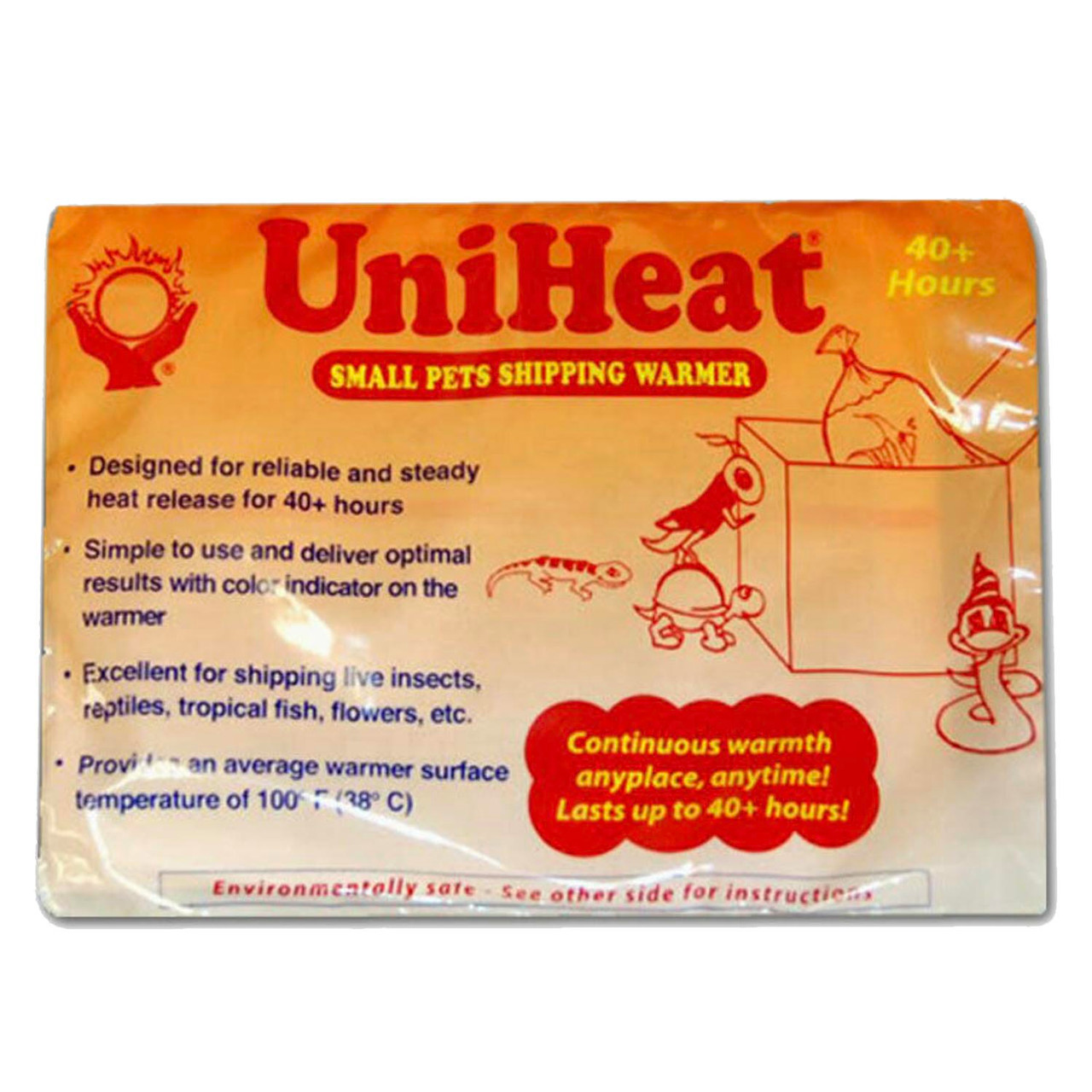
40 Hour Heat Packs
Commonly used for overnight aquatics shipments, regional deliveries, and moderate winter conditions where transit exposure windows are shorter.
- Overnight fish shipments
- Moderate winter climates
- Regional aquatics delivery routes
- Shorter transit exposure windows
- Compact insulated packaging setups
Standard Winter Aquatics Shipping
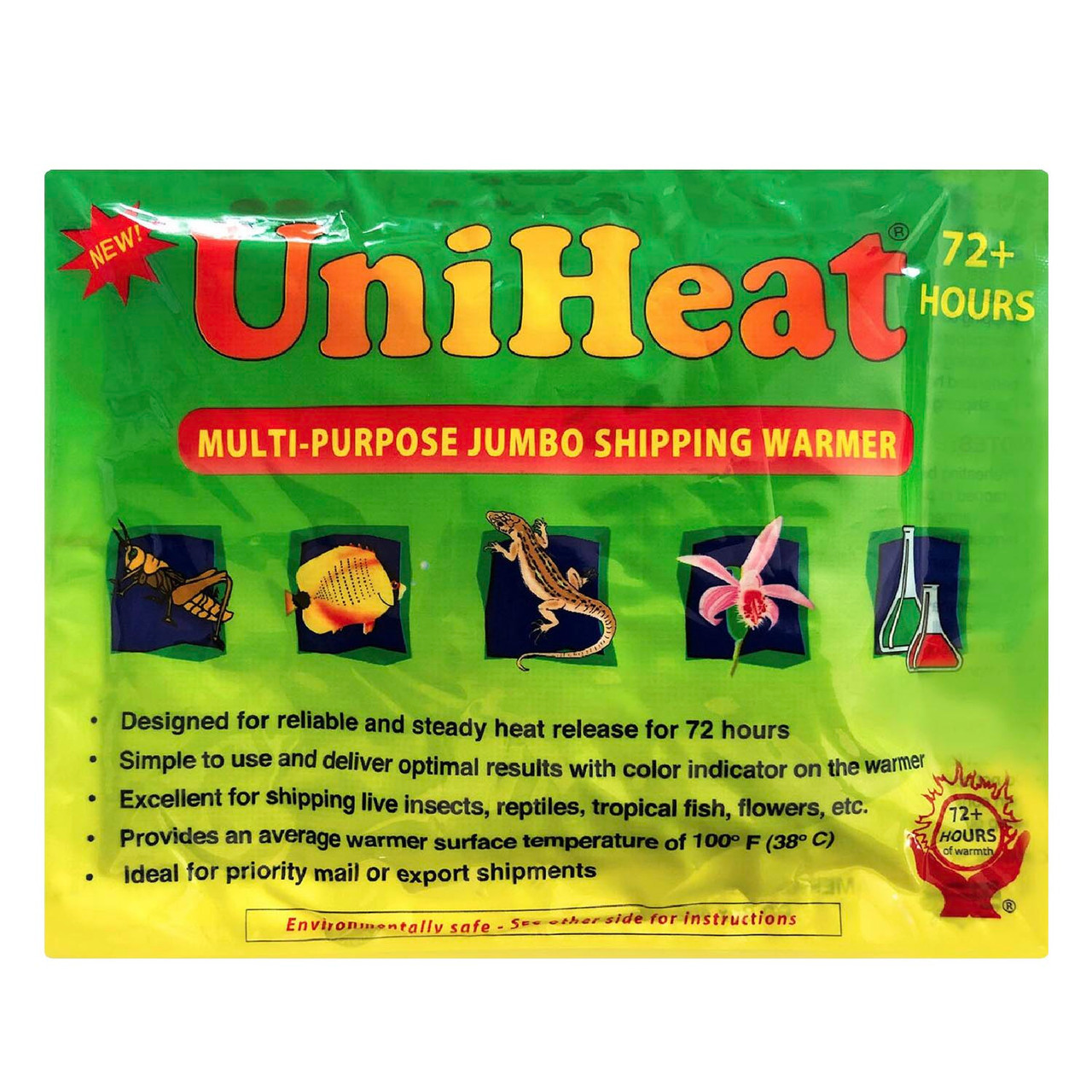
72 Hour Heat Packs
Frequently selected for tropical fish, coral, reef livestock, shrimp, and cross-country aquatics shipments where winter delays or colder routes may increase transit risk.
- Cross-country aquatics shipping
- Tropical marine livestock
- Reef coral & sensitive species
- Moderate winter delay protection
- Most common aquatics ecommerce setup
Extended Winter Protection
96 Hour Heat Packs
Often used during severe winter storms, remote delivery routes, extended transit uncertainty, or high-risk cold-weather aquatics shipments.
- Severe winter conditions
- Long-duration carrier exposure
- Remote delivery destinations
- Additional thermal safety margin
- High-value aquatics shipments

Additional Heat Durations Available
Explore the Full UniHeat Catalog
UniHeat offers multiple warmer durations, sizes, and shipping configurations depending on transit conditions, insulation setup, shipment type, and seasonal requirements.
Shop All UniHeat ProductsVariables That Influence Heat Duration Selection
Common Factors Aquatics Shippers Evaluate During Winter
Winter aquatics shipping setups are usually based on a combination of species sensitivity, water mass, route conditions, insulation quality, and overall transit uncertainty.
Outside Temperatures
Lower overnight lows and freezing transit hubs often increase the importance of insulation and longer-duration heat packs.
Transit Duration
Longer transit routes and winter carrier delays may increase cold exposure and temperature instability.
Species Sensitivity
Tropical reef livestock, coral, shrimp, and sensitive fish often require more conservative winter packaging approaches.
Water Volume & Insulation
Smaller water volumes cool more quickly during transit, increasing the importance of insulation quality and packaging configuration.
Important Note About Heat Duration
Heat pack duration ratings are approximate and influenced by insulation, airflow, water volume, weather severity, carrier delays, and box configuration. Actual performance may vary significantly depending on how the aquatics shipment is packaged and handled during winter transit.
Cold Snaps & Transit Planning
Carrier Delays, Cold Hubs & Winter Routing Can Change Aquatics Shipping Risk Quickly
Many aquatics shipping issues during winter occur when water temperatures drift outside the expected range after a shipment is already in transit. Snowstorms, frozen carrier hubs, aircraft delays, missed scans, weekend holds, and cold final-mile delivery vehicles can extend exposure time and increase thermal stress for fish, coral, shrimp, and aquatic livestock.
Carrier Delays
Longer Transit Means More Water Temperature Drift
An aquatics shipment designed for overnight delivery may face very different conditions if winter disruptions extend transit. As exposure time increases, water temperature may continue drifting away from the target range.
Cold Transit Hubs
Hub Weather May Matter More Than Destination Weather
A shipment may pass through colder hub cities even if the destination forecast appears mild. Many aquatics shippers evaluate likely routing points, overnight lows, and carrier service conditions before releasing winter shipments.
Weekend Holds
Late-Week Shipping Can Increase Winter Risk
Missed delivery windows near weekends may leave aquatics shipments in carrier facilities longer than planned. Many fish and coral shippers prefer early-week releases during cold-weather periods.
Hold For Pickup
Pickup May Reduce Final-Mile Exposure
Hold-for-pickup options may reduce time spent on cold delivery trucks or outside residential addresses. This can be especially useful for sensitive coral, tropical fish, and marine livestock shipments.
Route Timing
Aquatics Shipments Often Need Narrow Weather Windows
Because aquatic livestock is highly sensitive to temperature and oxygen balance, many sellers avoid shipping during severe winter systems, holiday congestion, or known carrier disruptions.
Packaging Buffer
Package for Realistic Winter Disruptions
Many winter aquatics packaging setups are designed with insulation and heat-duration buffer in case the route becomes colder or slower than expected.
Example Winter Transit Scenario
How a Winter Delay Can Affect a Tropical Fish or Coral Shipment
Cold-weather exposure can compound over time as water temperature gradually drifts during extended transit.
Shipment Leaves Origin
Fish, coral, or aquatic livestock enters the carrier network with expected overnight timing.
Cold Hub Delay Occurs
The package remains in a colder carrier environment longer than planned.
Water Temperature Drifts
Bag temperatures may begin moving outside the expected range as exposure continues.
Livestock Stress Risk Increases
Thermal instability, oxygen demand, and total transit duration may increase stress risk.
Operational Reminder
Many experienced aquatics shippers monitor forecasts, carrier advisories, and destination pickup conditions daily during winter. Delaying a shipment during severe cold or carrier disruption may be safer than exposing sensitive aquatic livestock to unstable transit conditions.
Seasonal & Regional Shipping Guidance
Aquatics Shipping Conditions Can Change Dramatically by Region & Season
Cold-weather aquatics shipping is especially sensitive to regional routing, carrier hub temperatures, overnight lows, and total transit duration. A shipment traveling between mild climates may still pass through freezing hub regions during winter.
Southern States
Milder Routes Can Still See Freeze Events
Florida, Texas, Arizona, and Southern California may have mild winter averages, but sudden overnight freezes or colder hub routing can still affect fish, coral, and aquatic plant shipments.
Midwest & Plains
Major Winter Hub Exposure
Many national carrier networks pass through colder Midwest hubs. Snow, ice, and aircraft delays can increase exposure time for water-based shipments.
Northeast
Snow Systems & Final-Mile Risk
Ice storms, snow accumulation, and cold delivery vehicles may increase final-mile exposure risk for tropical fish, coral, shrimp, and marine livestock.
Mountain Regions
High-Elevation Temperature Drops
Mountain routes may experience sharp overnight cold even when nearby regions remain warmer. Remote delivery routes may also add transit uncertainty.
Coastal Routes
Milder Air, Sensitive Livestock
Coastal climates may reduce freeze exposure, but tropical aquatic livestock may still require stable temperatures and careful packaging during seasonal swings.
Cross-Country Shipping
Long Routes Increase Temperature Drift
Aquatics shipments crossing multiple climate zones may need stronger insulation, longer heat duration, and more conservative route planning during winter.
Common Seasonal Shipping Patterns
How Aquatics Shippers Adjust Winter Shipping Throughout the Season
Many fish, coral, and aquarium livestock sellers adjust packaging and shipment timing as weather patterns change through winter.
| Season Period | Common Conditions | Typical Aquatics Shipping Adjustments |
|---|---|---|
| Early Winter | Variable cold fronts and overnight lows | Begin adding insulation and heat packs based on route forecasts |
| Peak Winter | Freezes, storms, hub delays, aircraft disruption | Use conservative routing, Hold For Pickup, and longer heat durations |
| Late Winter Transition | Warm days but cold overnight routes remain possible | Adjust heat pack use dynamically by destination and hub weather |
| Spring Warmup | Temperature swings and regional instability | Balance cold-weather protection with overheating risk as temperatures rise |
Seasonal Planning Reminder
Many experienced aquatics shippers monitor origin, destination, carrier hub temperatures, weather alerts, and customer pickup timing before releasing winter shipments. Because water temperatures can drift during extended transit, routing and timing are often as important as the heat pack itself.
Aquatics Shipping Resources
Helpful Guides for Winter Aquatics Shipping & Temperature Protection
Explore additional UniHeat educational resources covering heat pack activation, insulation methods, cold snaps, packaging materials, and operational planning for winter fish, coral, and aquatics shipping.
Packaging Planning
How Many Heat Packs Do You Really Need Per Box?
Explore how box size, insulation thickness, outside temperatures, and transit duration may influence winter aquatics packaging setups.
Activation & Insulation
Understanding Heat Pack Activation & Insulation
Learn why airflow, insulation design, ventilation, and package configuration all influence heat pack performance during winter shipping.
Severe Weather
How to Ship Safely During Sudden Cold Snaps
Review operational strategies for managing severe winter weather, frozen hubs, Arctic fronts, and carrier disruptions.
Packing Materials
Top Packing Materials to Pair with Heat Packs
Compare insulation methods commonly used for winter shipping including foam liners, thermal barriers, and temperature-retention materials.
Operational Mistakes
Common Heat Pack Mistakes to Avoid
Review common issues involving airflow blockage, poor insulation, improper heat placement, and winter transit preparation.
Transit Strategy
When Delaying Shipping Is the Smartest Decision
Learn why many aquatics sellers temporarily pause shipments during severe cold events and unstable carrier conditions.
Frequently Asked Questions
Questions About Winter Aquatics Shipping & Heat Packs
Educational questions about cold-weather fish shipping, coral transit, insulation methods, heat pack usage, water temperature stability, and winter aquatics logistics.
Do fish shipments need heat packs during winter?
Many aquatics sellers use heat packs during winter shipping to help support warmer packaging environments for tropical fish, coral, shrimp, and other temperature-sensitive aquatic livestock.
Can cold temperatures kill tropical fish during shipping?
Yes. Many tropical fish species are sensitive to sudden water temperature drops during transit. Prolonged exposure to unstable or cold water temperatures may create stress or mortality risk.
Which UniHeat duration is commonly used for aquatics shipping?
40-hour packs are commonly used for overnight regional shipments, while 72-hour packs are frequently selected for tropical fish, coral, and cross-country winter aquatics shipping. 96-hour packs are often used during severe cold or extended transit uncertainty.
Can heat packs overheat fish or coral shipments?
Direct contact between heat packs and livestock bags may create localized overheating risk. Many aquatics shippers separate heat packs using cardboard barriers or suspended placement methods.
Do heat packs require airflow inside aquatics shipments?
Yes. UniHeat warmers are air-activated and require oxygen to function. Completely sealed packaging or blocked airflow may reduce heat pack performance during transit.
Why do many aquatics sellers avoid Friday winter shipments?
Late-week winter shipments may face higher risk if carrier delays extend transit into weekends, increasing exposure time inside colder facilities or delivery vehicles.
Does water volume affect winter shipping performance?
Yes. Smaller water volumes may cool more rapidly during transit. Water quantity, insulation quality, and overall box configuration all influence thermal stability.
What is Hold For Pickup in aquatics shipping?
Hold-for-pickup delivery allows aquatic shipments to remain at a carrier facility for customer retrieval instead of spending additional time on cold delivery trucks or outdoor drop-offs.
Can coral shipments be damaged by temperature swings?
Yes. Many reef corals are sensitive to unstable water temperatures during transit, and prolonged cold exposure may contribute to stress or tissue damage.
Does insulation matter as much as the heat pack itself?
Yes. Heat packs are typically part of a broader insulated shipping system. Foam liners, bag placement, airflow, water volume, and overall packaging setup all influence winter aquatics shipping stability.
Educational Disclaimer
This page is intended for educational and operational planning purposes only. Shipping outcomes vary depending on species sensitivity, oxygen levels, water chemistry, transit duration, weather severity, insulation setup, and overall carrier handling conditions. Winter aquatics shipments should always be evaluated carefully before release during severe weather.
Explore More Shipping Solutions
UniHeat Supports Multiple Temperature-Sensitive Industries
UniHeat shipping warmers are used across aquatics, beverages, cosmetics, plants, live animal shipping, meal kits, specialty foods, supplements, and other cold-weather ecommerce applications.
Sources, References & Operational Notes
Educational Cold-Weather Aquatics Shipping Resource
This page was created as an educational resource covering winter aquatics shipping considerations, cold-weather transit exposure, water temperature stability, insulation approaches, and operational packaging practices commonly discussed across aquarium, reef, and aquatic livestock shipping industries.
Reference Sources
Aquarium temperature guidance, reef-keeping references, aquatics shipping discussions, tropical fish care resources, coral transit practices, and publicly available cold-weather shipping materials.
Industry Variables
Species sensitivity, water volume, oxygen levels, bag configuration, insulation quality, transit duration, weather severity, and carrier handling all influence shipping outcomes.
Operational Reminder
Aquatics packaging systems should be tested during realistic winter conditions before peak cold-weather shipping periods begin.
Important Disclaimer
UniHeat warmers help support warmer packaging environments during cold-weather aquatics shipping, but no packaging system can eliminate all winter transit risk. Fish, coral, shrimp, aquatic plants, and marine livestock outcomes may vary depending on weather severity, carrier delays, insulation design, species sensitivity, oxygen balance, and total exposure duration throughout the delivery network.
Detailed Sources & References
Linked Aquatics Shipping & Temperature References
The references below support general temperature guidance, aquatics care ranges, coral temperature sensitivity, and heat pack use cases. They are provided for educational context and should not replace species-specific guidance or live-arrival policies.
Tier 1 · Scientific / Research
Cold-water coral bleaching and temperature vulnerability research — scientific reference on coral stress from cold exposure and temperature vulnerability.
Tier 2 · Aquarium Care Guidance
Aqueon — Water Temperature and Fish Health — general guidance noting tropical fish commonly do best around 75–80°F.
Petco — Aquarium Water Temperature Guide — general fish tank temperature guidance for tropical, marine, and coldwater species.
Aquacadabra — Fish Tank Temperature Guidance — aquarium retailer guidance discussing tropical and coldwater temperature ranges.
Tier 3 · Reef & Industry Discussion
Reefs.com — The Great Temperature Debate — reef-keeping discussion on coral and reef aquarium temperature ranges.
SaltwaterAquarium.com — 72+ Hour UniHeat Shipping Warmer — commercial aquatics reference describing UniHeat use for live corals and fish shipments.
SaltwaterAquarium.com — UniHeat Product Category — aquatics retailer product category for UniHeat shipping warmers.
Product & Catalog References
UniHeat Full Catalog — full selection of UniHeat warmer durations and pack configurations.
UniHeat 72 Hour Heat Pack — frequently recommended duration for cold-weather aquatics shipping setups.
Winter Shipping Solutions
Need Heat Packs for Aquatics Shipping?
Explore UniHeat shipping warmers used across tropical fish shipping, coral transit, reef livestock packaging, aquatic plants, freshwater shrimp, and temperature-sensitive aquatics logistics.
Common Aquatics Applications
- Tropical freshwater fish
- Marine reef livestock
- Coral shipping
- Freshwater shrimp
- Aquatic plants
- Saltwater fish transit
- Live aquatic invertebrates
- Aquarium ecommerce shipping