
Shipping Solutions
Cold-Weather Shipping Solutions
Cold-Weather Shipping Protection for Temperature-Sensitive Products
Winter shipping can put temperature-sensitive products at risk long before a package fully freezes. Plants, reptiles, aquatics, live animals, beverages, cosmetics, meal kits, specialty foods, supplements, and other products may be damaged by cold exposure, carrier delays, poor insulation, or the wrong heat pack duration.
UniHeat USA is a U.S. distributor and reseller of UniHeat air-activated shipping warmers. We created this hub to help shippers understand cold-weather risks, compare industry-specific needs, and choose practical winter shipping protection strategies.
Industry Coverage
Guidance Across 9 Shipping Verticals
Explore cold-weather protection for beverages, plants, reptiles, aquatics, live animals, foods, meal kits, cosmetics, and supplements.
Heat Pack Durations
20 to 120 Hour Options
UniHeat warmers are available in multiple durations, with 40, 72, and 96 hour packs commonly used for winter shipping.
Cold-Weather Risk
Damage Can Start Above Freezing
Many products experience stress, separation, texture changes, or biological risk before reaching 32°F.
Packaging Systems
Heat Packs Work with Insulation
Heat packs, insulation, airflow, void fill, box size, and transit timing all affect winter shipping performance.
9
Shipping Verticals
Industry-specific guidance for temperature-sensitive winter shipments.
7
Heat Pack Durations
UniHeat options from 20 to 120 hours for different transit needs.
40 · 72 · 96
Most Common Durations
Popular choices for short, standard, and extended winter shipping.
USA
Distributor & Reseller
U.S.-based access to UniHeat products and cold-weather education.
Cold-Weather Shipping Reference
Why Winter Shipping Is More Complex Than “Will It Freeze?”
Many products become vulnerable before reaching freezing temperatures. Live organisms, liquids, emulsions, probiotics, tropical plants, reptiles, cosmetics, beverages, and specialty foods may experience stress, instability, separation, texture changes, or biological damage during cold-weather transit exposure.
Educational Guidance
Actual cold tolerance varies by formulation, packaging, species, transit exposure, humidity, acclimation, and manufacturer specifications.
| Industry | Common Winter Risk | Typical Vulnerability Range | Common Shipping Concern | Reference Tier |
|---|---|---|---|---|
|
Plants
Tropicals, cuttings, nursery stock
|
Cold stress, tissue damage, cellular shock | ~35°F–50°F+ | Transit exposure, delayed delivery, airflow | Tier 1 |
|
Reptiles & Live Animals
Reptiles, chicks, bees, feeders
|
Hypothermia, metabolic stress, mortality risk | Often below ~60°F | Cold snaps, carrier delays, overnight holds | Tier 1 |
|
Aquatics
Fish, coral, aquatic livestock
|
Rapid temperature shock, oxygen instability | Often below ~68°F | Bag cooling, long transit exposure | Tier 1 |
|
Beverages
Wine, RTDs, juices, mixers
|
Freezing expansion, separation, bursting | Near or below 32°F | Glass breakage, can deformation | Tier 2 |
|
Cosmetics
Creams, serums, emulsions
|
Emulsion instability, viscosity shifts | ~35°F–45°F+ | Separation, texture changes, leakage | Tier 2 |
|
Supplements
Probiotics, tinctures, syrups
|
Freeze sensitivity, crystallization, potency concerns | Product-specific | Freeze-thaw exposure, leakage | Tier 2 |
|
Meal Kits & Foods
Prepared foods, specialty perishables
|
Texture changes, spoilage concerns, freezing | Varies by food category | Transit timing, cold-chain interruption | Tier 3 |
Reference Tier Legend
Important Reminder
Cold-weather shipping performance depends on much more than outside temperature alone. Transit duration, insulation quality, airflow, humidity, acclimation, carrier delays, product density, and packaging configuration all influence winter shipping outcomes.
Industry Shipping Guides
Explore Cold-Weather Shipping Solutions by Industry
Each shipping category faces different winter risks. Explore industry-specific cold-weather shipping guidance, packaging considerations, common freeze concerns, and recommended UniHeat solutions.
Heat Pack Duration Guide
Choosing the Right UniHeat Duration for Winter Shipping
Heat pack duration should be chosen based on expected transit time, possible carrier delays, insulation quality, box size, outside temperature, and product sensitivity. The safest winter shipping setup plans for the worst plausible transit window, not just the best-case delivery estimate.
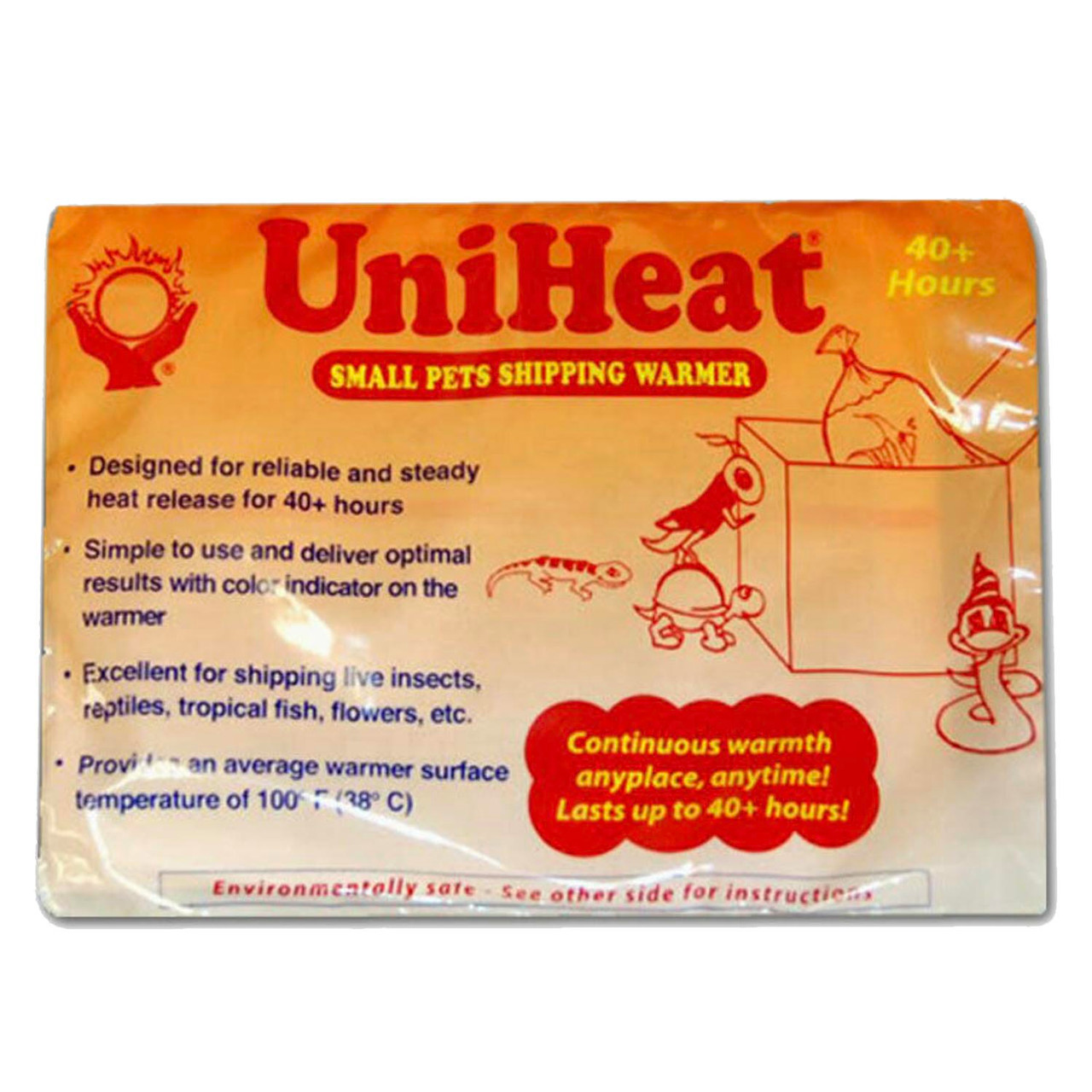
Short Transit Routes
40 Hour Heat Packs
Often used for overnight, short regional, and lower-risk winter shipments where transit exposure is expected to remain limited.
- Overnight shipping windows
- Regional transit routes
- Milder winter conditions
- Lower delay-risk shipments
- Compact insulated packaging
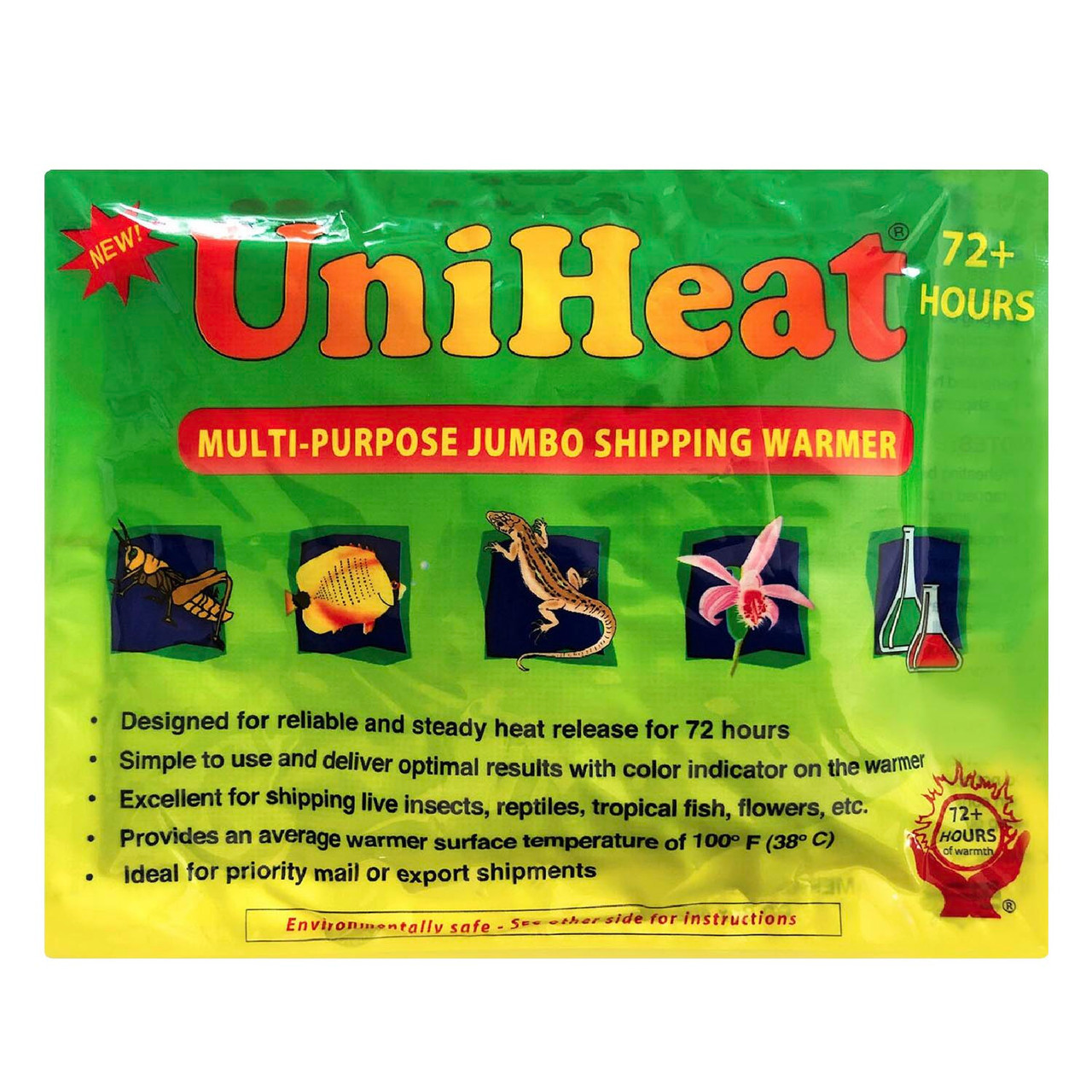
Standard Winter Shipping
72 Hour Heat Packs
A common choice for standard ecommerce, plant, reptile, beverage, food, cosmetic, supplement, and specialty winter shipments.
- 2–3 day transit windows
- Standard cold-weather fulfillment
- Moderate delay protection
- Subscription and DTC shipments
- General-purpose winter shipping
Extended Winter Protection
96 Hour Heat Packs
Recommended for severe cold, longer transit windows, remote delivery regions, weekend risk, and higher-value temperature-sensitive shipments.
- Severe winter weather
- Extended ground transit
- Remote or rural delivery zones
- Higher delay-risk routes
- More sensitive shipment categories

Additional Durations Available
UniHeat Also Offers 20, 30, 60 & 120 Hour Options
Specialized shipping setups may require shorter or longer durations depending on product sensitivity, carrier service level, winter severity, and validated packaging performance.
Shop All UniHeat ProductsImportant Duration Reminder
Heat pack duration should exceed the expected transit window and include a margin for carrier delays. Packaging insulation, airflow, void fill, outside temperature, and box size all influence how long a shipment remains protected.
How UniHeat Works
How Air-Activated Shipping Warmers Generate Heat
UniHeat warmers use an air-activated oxidation process. Once removed from the outer wrapper, oxygen enters the warmer and begins a controlled heat-releasing reaction designed to support cold-weather shipping protection over the rated duration.
Remove from Outer Packaging
Each warmer is sealed in protective outer packaging. Opening the wrapper exposes the inner warmer to oxygen and begins the activation process.
Allow Time to Activate
The warmer begins producing heat after exposure to air. Many shippers allow a short activation period before placing the warmer into the final package.
Place with Airflow
UniHeat warmers require oxygen to continue working. Do not seal warmers inside airtight plastic or block them completely from airflow.
Use with Insulation
Heat packs perform best as part of an insulated packaging system. Insulation helps retain warmth while the warmer helps offset heat loss.
Air-Activated Chemistry
Oxygen Is Required for Heat Output
UniHeat warmers are designed to generate heat when exposed to air. Packaging should allow enough oxygen for the warmer to function while still maintaining insulation and protecting the shipment from extreme cold exposure.
Important Reminder
Do not place a heat pack in direct contact with sensitive products. Use packing material, dividers, or breathable barriers to help prevent localized overheating.
Winter Packaging Strategy
Heat Packs Work Best as Part of a Complete Packaging System
A heat pack alone cannot fully protect a shipment from severe winter conditions. Packaging performance depends on insulation, airflow, box size, void fill, transit timing, and how the warmer is positioned inside the package.
Insulation Matters
Foam & Thermal Liners Help Retain Heat
Foam panels, insulated liners, reflective barriers, and thermal mailers help slow heat loss and reduce temperature swings during winter transit.
Airflow Is Required
Do Not Suffocate the Warmer
UniHeat warmers require oxygen to continue generating heat. Airtight packaging or excessive wrapping may reduce warmer performance.
Void Space Control
Excess Empty Space Increases Cooling
Large empty air pockets inside a box allow heat to dissipate more quickly. Proper void fill helps stabilize internal temperatures.
| Packaging Element | Primary Function | Common Winter Benefit | Operational Concern |
|---|---|---|---|
| Foam Panels / EPS Insulation | Slows heat transfer | Helps maintain internal warmth | Can reduce airflow if overly sealed |
| Reflective Thermal Liners | Reflects radiant heat | Improves insulation efficiency | May trap condensation |
| Void Fill / Packing Paper | Reduces air gaps | Helps stabilize internal temperature | Overpacking may restrict airflow |
| Box Size Selection | Controls internal air volume | Smaller volumes retain warmth better | Too-small boxes may overheat products |
| Heat Pack Placement | Distributes warmth inside package | Reduces cold exposure zones | Direct contact may damage sensitive items |
Packaging Philosophy
The Goal Is Temperature Stability — Not Just “Warmth”
Effective winter packaging reduces temperature swings and helps products avoid rapid cold exposure. Heat packs work best when combined with insulation, proper airflow, and realistic transit planning.
Operational Reminder
Packaging systems should be tested under realistic winter conditions because actual performance varies significantly based on product type, insulation, transit duration, and weather severity.
Transit & Carrier Risk
Winter Shipping Delays Often Create the Biggest Risk
Many winter shipment failures occur because packages remain exposed to cold temperatures longer than expected. Weather events, airport congestion, frozen sorting hubs, missed scans, and weekend holds can dramatically extend cold exposure during transit.
Carrier Hubs
Packages May Sit in Unheated Facilities
Sorting hubs, trailers, loading docks, and temporary storage areas may expose shipments to prolonged cold temperatures during severe winter weather.
Weekend Exposure
Friday Shipments Increase Risk
Packages shipped before weekends may experience additional warehouse holds, missed routing windows, or delayed delivery attempts.
Severe Weather
Storm Systems Create Cascading Delays
Snowstorms, freezing rain, airport shutdowns, and road closures can disrupt national shipping networks for multiple days.
| Transit Scenario | Common Winter Risk | Operational Impact | Typical Mitigation |
|---|---|---|---|
| Ground Network Delays | Extended cold exposure during transit | Missed delivery estimates and overnight holds | Longer-duration heat packs and insulation |
| Airport Congestion | Missed flight routing and weather backlog | Unexpected multi-day transit extension | Avoid peak storm periods when possible |
| Weekend Warehouse Holds | Packages remain idle in cold facilities | Additional cold exposure beyond planned window | Ship early in the week when feasible |
| Rural Delivery Zones | Longer last-mile delivery windows | More time in trucks and sorting facilities | Extended-duration heat pack selection |
| Holiday Shipping Surges | Carrier backlog and slower processing | Transit unpredictability and routing delays | Increase protective packaging margins |
Operational Planning
Winter Shipping Success Often Depends on Delay Planning
The safest winter shipping strategy assumes that at least some shipments will experience delays. Heat pack duration, insulation, and shipping schedules should account for unexpected transit extensions whenever possible.
Common Winter Practice
Many shippers avoid sending highly temperature-sensitive products immediately before weekends, major storms, or peak holiday congestion periods.
Educational Resources
Cold-Weather Shipping Articles & Operational Guidance
Explore additional educational resources discussing winter shipping risk, heat pack usage, cold exposure, packaging systems, carrier delays, insulation strategy, and temperature-sensitive fulfillment operations.
Industry Shipping Guides
Explore Specialized Winter Shipping Guidance
Each industry faces unique winter transit risks. Explore dedicated cold-weather shipping pages covering operational considerations, packaging guidance, heat pack strategy, and common freeze concerns.
Operational Reminder
No Heat Pack Can Eliminate All Winter Shipping Risk
Heat packs are one part of a broader packaging strategy. Transit delays, insulation quality, weather severity, carrier handling, and shipment duration all influence cold-weather shipping outcomes.
Frequently Asked Questions
Common Questions About Cold-Weather Shipping & Heat Packs
Answers to common questions about winter shipping risk, UniHeat warmers, packaging systems, insulation, airflow, transit delays, and temperature-sensitive products.
Do heat packs prevent products from freezing?
Heat packs help reduce cold exposure and support safer winter shipping conditions, but no heat pack can fully eliminate freezing risk under all transit conditions.
Why do heat packs require airflow?
UniHeat warmers use an oxygen-based activation process. If airflow becomes too restricted, the warmer may stop generating heat or perform below its intended duration.
Should heat packs be used with insulation?
Yes. Heat packs typically perform best when paired with insulated packaging systems that help retain warmth and reduce rapid temperature swings.
Which UniHeat duration is most commonly used?
72-hour heat packs are commonly used for standard winter ecommerce shipping, although actual duration selection depends on weather, transit time, insulation, and shipment sensitivity.
Can cold damage occur above freezing temperatures?
Yes. Many plants, reptiles, cosmetics, probiotics, beverages, and live organisms may experience stress or instability before reaching 32°F.
Do carrier delays increase winter shipping risk?
Yes. Weather events, frozen sorting hubs, airport congestion, and weekend holds can significantly extend cold exposure during transit.
Should highly sensitive shipments avoid weekend transit?
Many shippers avoid Friday shipments for highly temperature-sensitive products because additional warehouse holds and routing delays may occur over weekends.
Can a heat pack touch the product directly?
Direct contact is generally avoided for sensitive products. Packing materials, dividers, or breathable barriers are commonly used to separate the warmer from the shipment contents.
How long should a heat pack duration exceed transit time?
Many shippers select a duration that exceeds the expected delivery window in order to help account for potential carrier delays and severe weather interruptions.
Does every product category require the same winter setup?
No. Plants, reptiles, aquatics, beverages, cosmetics, supplements, foods, and live animals all face different cold-weather risks and often require different packaging strategies.
Educational Disclaimer
This page is intended for educational and operational planning purposes only. Actual shipping outcomes depend on weather severity, carrier handling, insulation quality, product sensitivity, packaging systems, and transit duration.
Educational References & Industry Context
Scientific, Operational & Industry Reference Material
Cold-weather shipping guidance is informed by a combination of biological science, packaging engineering, carrier operational realities, cold-chain logistics, and industry handling practices. The references below provide additional educational context related to winter transit risk and temperature-sensitive shipping.
Tier 1 · Scientific & Biological
Temperature Sensitivity Research
- Cold stress research in plants and tropical species
- Reptile and aquatic thermal tolerance guidance
- Biological impacts of rapid temperature fluctuation
- Cold-chain handling recommendations
- Temperature stability concerns in probiotics and supplements
Tier 2 · Packaging & Logistics
Packaging & Transit Operations
- Insulated packaging system practices
- Heat retention and airflow considerations
- Carrier delay and winter routing risks
- Cold-weather ecommerce fulfillment operations
- Transit duration planning and contingency strategy
Tier 3 · Commercial Practices
Industry Shipping Standards
- Seasonal operational shipping adjustments
- Cold-weather fulfillment scheduling
- Industry handling consensus and packaging workflows
- Temperature-sensitive ecommerce best practices
- Risk reduction through packaging validation
Example Educational Sources
Representative Industry & Scientific Context
USDA & Agricultural Extension Guidance
Cold injury research, frost sensitivity guidance, and temperature stress information related to plants and agricultural products.
Cold-Chain Packaging Practices
Industry guidance related to insulated shipping systems, thermal packaging validation, and temperature-sensitive logistics operations.
Biological Temperature Research
Published information discussing cold exposure effects on reptiles, aquatics, live organisms, probiotics, and specialty products.
Important Clarification
No Universal Temperature Rule Exists for Every Product
Actual cold tolerance varies significantly by species, formulation, packaging system, acclimation, transit duration, humidity, and manufacturer guidance. Winter shipping decisions should always account for product-specific requirements.
Educational Use Notice
The information throughout this hub is intended for educational and operational planning purposes only and should not replace manufacturer guidance, veterinary advice, agricultural expertise, laboratory validation, or formal cold-chain testing.
Cold-Weather Shipping Solutions
Support Safer Winter Shipping with UniHeat
UniHeat warmers are used across ecommerce fulfillment, specialty retail, live animal shipping, aquatics, plants, beverages, cosmetics, supplements, meal kits, and temperature-sensitive logistics operations to help reduce winter transit risk.
Operational Planning
Cold Exposure Often Causes Damage Before Freezing
Plants, reptiles, aquatics, supplements, cosmetics, and specialty products may experience cold stress or instability before reaching freezing temperatures.
Packaging Systems
Heat Packs Work Best with Insulation
Packaging performance depends on insulation, airflow, transit planning, void fill, and realistic winter shipping preparation.
Transit Risk
Winter Delays Extend Cold Exposure
Carrier delays, storms, airport congestion, and weekend holds are among the most common causes of winter shipping failure.
Full UniHeat Catalog
Explore UniHeat Shipping Warmers & Winter Resources
Browse UniHeat durations, educational winter shipping articles, packaging guidance, and industry-specific cold-weather shipping resources designed to support temperature-sensitive transit operations.
Browse Full UniHeat Catalog