
Meal Kit Shipping
Meal Kit Shipping Solutions
Cold-Weather Shipping Protection for Meal Kits & Prepared Meals
Meal kit shipments are uniquely complex because they often combine refrigerated, frozen, and shelf-stable components in one box. Proteins, produce, sauces, dairy, prepared meals, pantry items, and plant-based ingredients may each respond differently to cold-weather transit, freezing exposure, and carrier delays.
UniHeat shipping warmers help meal kit companies, meal prep brands, subscription food businesses, ghost kitchens, and fulfillment teams support safer cold-weather shipping environments. Heat packs can help protect cold-sensitive components from freezing while insulated packaging and gel packs help maintain refrigerated conditions.
Mixed-Temperature Boxes
Multiple Components, Different Needs
Meal kits may include proteins, produce, sauces, dairy, dry goods, and prepared components in a single shipment.
Cold-Weather Protection
Preventing Freeze Damage
Heat packs help reduce freezing risk for cold-sensitive refrigerated meal kit components during winter transit.
Gel Packs + Heat Packs
Different Roles in the Same Box
Gel packs help maintain refrigerated temperatures, while UniHeat warmers help prevent external freezing exposure.
Winter Transit Planning
Carrier Delays Matter
Snowstorms, rerouting, missed scans, weekend holds, and frozen hubs can extend cold exposure for meal kit shipments.
Cold-Weather Meal Kit Transit Risks
Why Meal Kits Are More Complicated Than Single-Product Shipments
Meal kits often combine ingredients with different temperature needs in one insulated box. A shipment may include refrigerated proteins, fresh produce, sauces, dairy, plant-based proteins, and pantry items together. During winter transit, the goal is not simply to keep the box cold — it is to prevent cold-sensitive components from freezing while still protecting food safety and refrigerated quality.
Mixed-Temperature Shipments
One Box May Contain Several Cold Profiles
Raw proteins, prepared meals, dairy, sauces, herbs, produce, grains, and pantry items may all respond differently to freezing temperatures and cold-weather transit delays.
Freeze Damage
Refrigerated Components May Be Damaged if Frozen
Sauces may separate, dairy may become grainy, produce may brown or wilt, and prepared meals may experience texture loss if exposed to freezing temperatures.
Chilling Injury
Some Produce Can Be Damaged Above Freezing
Basil, tomatoes, peppers, citrus, and other chill-sensitive produce may suffer quality loss at temperatures above 32°F depending on variety and exposure duration.
Gel Pack Balance
Heat Packs Do Not Replace Refrigeration
Gel packs and insulated liners help maintain refrigerated conditions, while heat packs can help prevent the package environment from dropping too far during winter transit.
Carrier Delays
A One-Day Shipment Can Become a Three-Day Risk
Storms, missed scans, rerouting, frozen hubs, and weekend holds may extend exposure time and increase failure risk for meal kit shipments.
Heat Pack Activation
Airflow Is Still Required
UniHeat warmers are air-activated and require oxygen to perform properly. Meal kit packaging must allow enough airflow while maintaining insulation.
Important Meal Kit Shipping Note
Heat packs are used to help reduce freezing risk during cold-weather transit. They are not a substitute for refrigerated packaging, gel packs, dry ice, food safety controls, or validated cold-chain procedures. Frozen meal components require frozen cold-chain packaging rather than heat packs.
How UniHeat Fits Into Meal Kit Packaging
Heat Packs Help Prevent Freezing — Not Replace Refrigeration
One of the most common misconceptions in meal kit shipping is assuming heat packs are meant to warm the box like a heater. In reality, UniHeat warmers are typically used to help prevent damaging temperature drops during cold-weather transit while insulated packaging and refrigerants maintain the desired cold-chain environment.
Insulation Helps Slow Temperature Swings
Foam liners, insulated pouches, thermal wraps, and reflective materials help reduce rapid environmental changes during winter transit.
Gel Packs Maintain Refrigerated Conditions
Cold packs help maintain refrigerated shipment temperatures for proteins, dairy, prepared meals, sauces, and temperature-sensitive ingredients.
Heat Packs Help Prevent External Freeze Exposure
UniHeat warmers help reduce the risk of meal kit boxes dropping into damaging freeze conditions during winter shipping.
Packaging Layout Still Matters
The placement of proteins, produce, sauces, gel packs, insulation, and heat packs all influence real-world shipment performance.
Important Clarification
Heat packs are commonly used to help avoid damaging freeze exposure during winter transit. They are not intended to create “warm meal deliveries” or replace refrigerated food safety systems.
Typical Meal Kit Cold-Weather Components
- Foam or insulated liners
- Gel refrigerant packs
- Thermal wraps or reflective liners
- UniHeat shipping warmers
- Absorbent materials
- Compartmentalized ingredient layouts
- Moisture barriers
- Winter routing adjustments
Industry-Reported Cold Exposure Thresholds
Meal Kit & Refrigerated Food Shipping Reference
Meal kits often contain ingredients with different temperature tolerances inside the same insulated box. Some refrigerated foods may freeze and lose quality near 32°F, while certain produce items may experience chilling injury at temperatures well above freezing. The table below reflects generalized educational references commonly discussed across cold-chain, food fulfillment, produce logistics, and meal kit industries.
Educational Use Only
Actual shipping outcomes vary based on formulation, produce variety, insulation quality, refrigerant configuration, transit duration, route conditions, and overall packaging design.
| Category | Reported Thresholds | Common Caution Range | Primary Transit Risk | Reference Tier |
|---|---|---|---|---|
|
Fresh Proteins
Chicken, beef, seafood, pork, prepared proteins
|
Refrigerated proteins are commonly maintained near 32–40°F. Freeze exposure may alter texture, purge levels, and quality depending on product type. | Near or below 32°F | Texture changes, purge loss, freeze damage | Tier 2 |
|
Prepared Meals
Cooked entrees, ready meals, refrigerated meal prep
|
Prepared foods often contain sauces, starches, proteins, and emulsions that may react differently to freezing temperatures. | Near or below freezing | Texture instability, sauce separation, moisture migration | Tier 3 |
|
Leafy Greens & Herbs
Spinach, basil, cilantro, parsley, salad mixes
|
Many greens and herbs are highly sensitive to freeze exposure and may rapidly collapse after ice crystal formation. | Near 32°F | Wilting, browning, tissue collapse | Tier 1 |
|
Tomatoes & Chill-Sensitive Produce
Tomatoes, peppers, cucumbers, eggplant
|
Some produce may experience chilling injury well above freezing temperatures depending on variety and exposure duration. | Below ~45–50°F | Pitting, softening, discoloration, chilling injury | Tier 1 |
|
Dairy & Cheese
Cream sauces, shredded cheese, yogurt, dairy ingredients
|
Many dairy products may become grainy, separated, or unstable after freeze-thaw cycling. | Near or below 32°F | Separation, texture loss, moisture migration | Tier 2 |
|
Sauces & Dressings
Cream sauces, vinaigrettes, emulsified condiments
|
Freeze-thaw exposure may destabilize emulsions depending on formulation and packaging type. | Near freezing | Separation, thickening, texture instability | Tier 3 |
|
Meal Kit Packaging Systems
Insulated liners, gel packs, thermal wraps, heat packs
|
Performance depends heavily on insulation density, refrigerant quantity, airflow, pack placement, ambient temperatures, and transit duration. | Configuration-specific | Freeze zones, thermal imbalance, cold-chain instability | Tier 3 |
Reference Tier Legend
Important Transit Planning Note
Meal kit cold-weather shipping performance depends heavily on the interaction between refrigerants, insulation, airflow, ingredient placement, external weather exposure, and total transit duration. Heat packs should be tested carefully within validated cold-chain packaging systems before operational deployment.
Packaging Configuration Guidance
Meal Kit Heat Pack Placement & Packaging Considerations
Meal kits are highly packaging-dependent. The placement of gel packs, insulation, proteins, produce, prepared foods, and heat packs can dramatically affect thermal performance during winter shipping. Even strong insulation systems may develop freeze zones if cold refrigerants sit directly against cold-sensitive ingredients during extended transit.
Avoid Direct Contact
Separate Heat Packs from Proteins & Produce
Heat packs should generally not sit directly against fresh proteins, leafy greens, herbs, dairy products, or sensitive produce items.
Use Buffer Layers
Cardboard & Insulation Help Moderate Heat
Corrugated dividers, thermal wraps, insulation panels, and air gaps may help create more stable package environments.
Gel Pack Positioning
Cold Concentration Zones Matter
Large refrigerants placed directly against delicate ingredients may create localized freezing even inside insulated packaging.
Airflow Requirements
UniHeat Warmers Need Oxygen
Heat packs are air-activated. Completely sealing warmers inside airtight pouches or over-compressed packaging may reduce performance.
Transit Duration
Packaging Must Match Real Carrier Risk
A “1-day shipment” may still experience overnight warehouse exposure, weekend holds, weather delays, or frozen trailer conditions.
Test Before Scaling
Meal Kit Systems Should Be Validated
Thermal testing under real-world winter conditions is strongly recommended before rolling out packaging systems nationally.
Common Winter Meal Kit Components
- Foam coolers & insulated liners
- Gel refrigerant packs
- Absorbent leak barriers
- Thermal compartment dividers
- UniHeat warmers
- Reflective thermal wraps
- Corrugated insulation buffers
- Cold-chain monitoring procedures
Operational Reminder
Heat packs should be viewed as one component within a broader cold-chain packaging system. The performance of the entire shipment depends on insulation, refrigerants, ingredient arrangement, transit exposure, and environmental conditions — not the heat pack alone.
Heat Pack Duration Recommendations
Choosing the Right UniHeat Duration for Meal Kit Shipping
Meal kit shipping requires balancing refrigerated protection with freeze prevention. Heat pack duration selection depends on outside temperature, transit time, insulation quality, gel pack configuration, ingredient sensitivity, and the risk of winter carrier delays.
Short Transit Routes
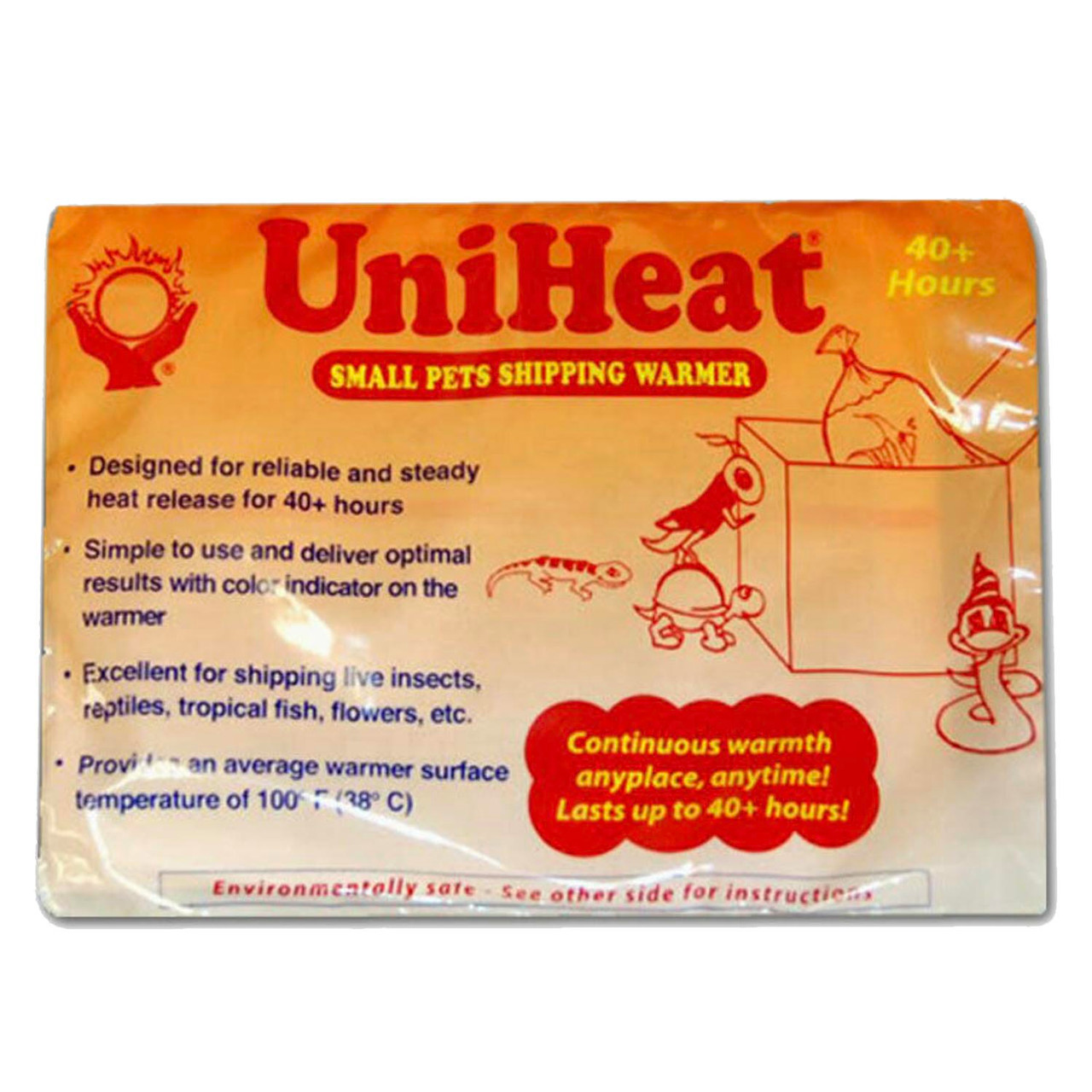
40 Hour Heat Packs
Often used for regional meal kit shipments, overnight routes, and shorter winter transit windows where exposure time is expected to remain limited.
- Regional 1-day deliveries
- Short cold-weather exposure
- Milder winter climates
- Compact subscription boxes
- Lower delay-risk routes
Standard Winter Meal Kit Shipping
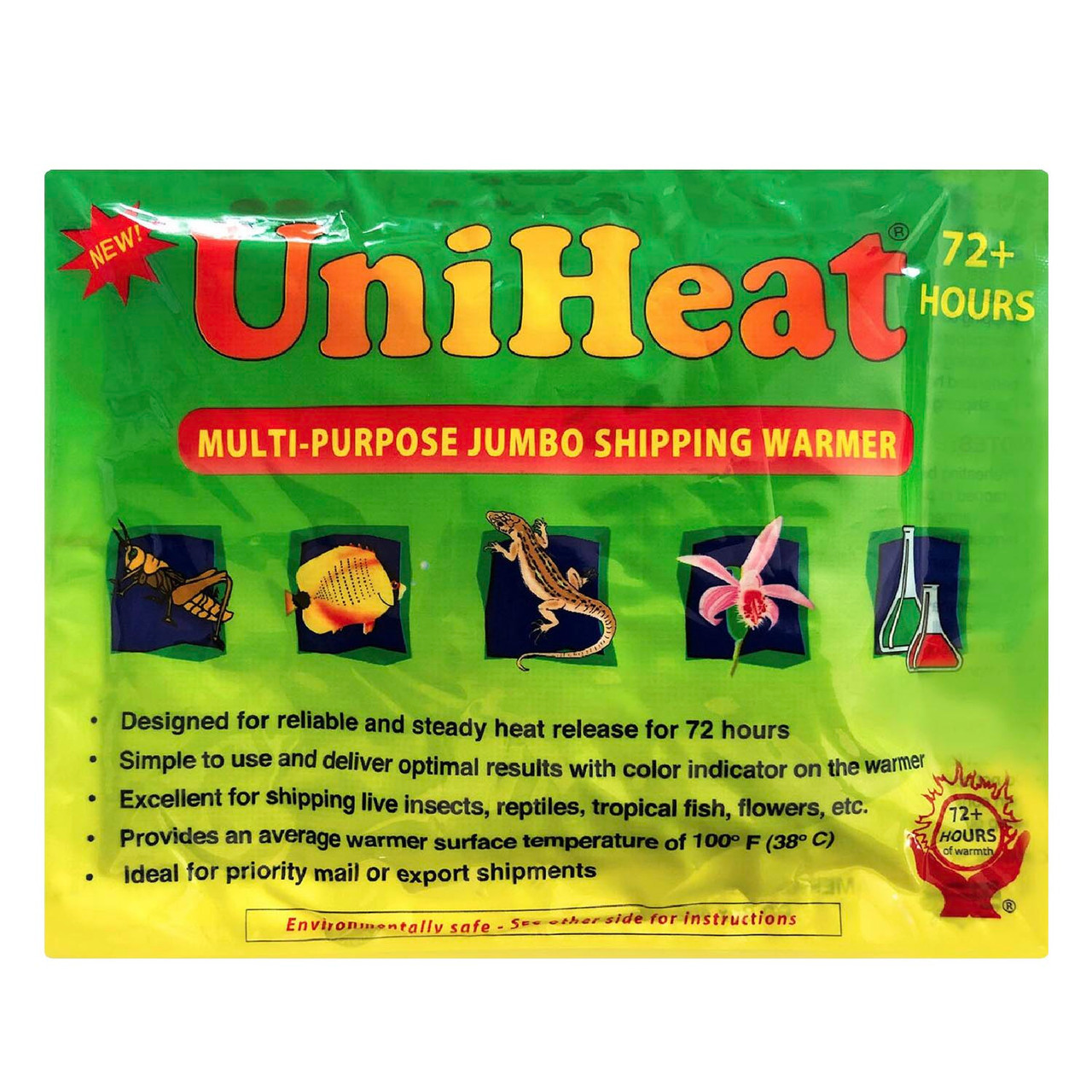
72 Hour Heat Packs
A common choice for meal prep, subscription food, prepared meal, and meal kit shipments where moderate cold exposure or carrier delays are possible.
- 1–2 day ground shipping
- Cold-weather transit protection
- Moderate delay buffer
- Subscription meal box programs
- Standard insulated packaging systems
Extended Cold Protection
96 Hour Heat Packs
Recommended for severe winter weather, longer transit windows, remote destinations, weekend exposure risk, or sensitive ingredient configurations.
- Extended transit windows
- Severe winter conditions
- Remote delivery zones
- Weekend transit risk
- Higher delay-risk routes

Additional Heat Durations Available
Explore the Full UniHeat Catalog
UniHeat offers multiple warmer durations, sizes, and shipping configurations depending on winter transit conditions, insulation design, meal kit packaging setup, and ingredient sensitivity.
Shop All UniHeat ProductsImportant Meal Kit Reminder
Heat packs help prevent freezing during cold-weather transit, but they are not a replacement for refrigerated food safety systems, gel packs, validated cold-chain packaging, or dry ice when frozen contents must remain frozen. Test every packaging configuration under realistic winter shipping conditions before scaling.
Cold-Weather Operational Planning
Meal Kit Winter Shipping Best Practices
Meal kit shipping performance during winter depends on much more than adding a heat pack to the box. Successful cold-weather operations typically combine routing decisions, carrier monitoring, packaging validation, ingredient planning, insulation systems, refrigerants, and seasonal fulfillment adjustments.
Ship Early in the Week
Many meal kit companies avoid late-week fulfillment during winter to reduce weekend holds and frozen warehouse exposure.
Monitor Weather by Region
A box shipping safely through California may fail in the Midwest or Northeast during severe winter storms and sub-freezing conditions.
Separate Freeze-Sensitive Ingredients
Leafy greens, herbs, tomatoes, sauces, and dairy may require more protection from direct cold exposure and refrigerants.
Test Multiple Packaging Layouts
Changing the location of gel packs, dividers, insulation, or heat packs may significantly alter winter shipment performance.
Account for Real Carrier Delays
Winter routing should account for missed scans, weather reroutes, frozen trailers, hub congestion, and unexpected transit extensions.
Validate With Real-World Trials
Cold-weather packaging systems should be tested under realistic transit conditions before nationwide operational rollout.
Operational Perspective
Meal Kits Are One of the Most Complex Winter Shipping Categories
Unlike single-product shipments, meal kits may contain ingredients with conflicting temperature tolerances inside one insulated package. The operational challenge is balancing refrigeration needs while reducing the risk of freeze damage, chilling injury, condensation, texture instability, and transit-related quality loss.
Reminder About Heat Packs
UniHeat warmers are commonly used to help reduce freezing risk during winter transit. They should be integrated carefully into validated cold-chain packaging systems alongside refrigerants, insulation, and proper fulfillment procedures.
Meal Kit Industry Applications
Who Uses UniHeat for Meal Kit & Refrigerated Food Shipping?
UniHeat warmers are used across a broad range of temperature-sensitive food shipping operations during winter months. Different businesses may use different insulation systems, refrigerants, transit windows, and packaging configurations depending on their product mix and delivery model.
Subscription Meal Kits
Weekly Meal Box Programs
Meal kit subscription companies shipping refrigerated proteins, produce, dairy, sauces, and recipe ingredients nationwide during winter months.
Prepared Meal Delivery
Ready-to-Eat Meal Shipping
Prepared meal brands, meal prep businesses, and refrigerated food ecommerce companies often use insulated packaging systems during cold-weather shipping.
Specialty Food Brands
Refrigerated Ecommerce Fulfillment
Cheese clubs, charcuterie boxes, gourmet foods, refrigerated bakery products, and temperature-sensitive food subscriptions may require winter freeze protection.
Plant-Based Meal Kits
Vegetarian & Vegan Meal Programs
Fresh herbs, sauces, greens, produce, and plant-based proteins may each respond differently to freezing temperatures during transit.
Regional Meal Delivery
Local & Regional Food Logistics
Ghost kitchens, local prepared meal brands, and regional food delivery companies often face winter overnight transit challenges.
Cold-Chain Fulfillment
3PL & Refrigerated Warehousing
Third-party logistics providers and refrigerated fulfillment operators may integrate heat packs into broader cold-chain packaging systems.
Winter Fulfillment Reality
Cold-Weather Meal Kit Shipping Is a Balancing Act
Meal kit shipping systems must balance food safety, freeze prevention, refrigerated stability, ingredient protection, transit duration, and customer experience simultaneously. Small changes in packaging design or carrier exposure can significantly affect real-world performance during winter.
Operational Reminder
UniHeat warmers are commonly integrated into larger insulated cold-chain packaging systems. Final performance depends on insulation, refrigerants, ingredient placement, airflow, ambient weather, and transit conditions.
Explore More Shipping Solutions
UniHeat Supports Multiple Temperature-Sensitive Industries
UniHeat shipping warmers are used across meal kits, beverages, cosmetics, foods, plants, reptiles, aquatics, live animals, supplements, and other cold-weather ecommerce shipping applications.
Meal Kit Shipping Resources
Helpful Guides for Cold-Weather Meal Kit & Perishable Food Shipping
Explore UniHeat educational resources covering meal kit shipping, cold-weather packaging, insulation, heat pack activation, sudden cold snaps, and winter transit planning for perishable food shipments.
Meal Kits & Perishables
Shipping Meal Kits & Perishables Safely
Packaging strategies, insulation setup, and cold-weather shipping considerations for meal kit deliveries.
Insulation Strategy
Heat Pack vs Insulation: What Matters More?
Learn how insulation materials and heat packs work together during cold-weather shipping.
Heat Pack Selection
How to Choose the Right Heat Pack
Explore how transit times, temperatures, insulation, airflow, and packaging setup influence heat pack duration selection.
Packaging Mistakes
Common Packaging Mistakes That Lead to Frozen Shipments
Learn how packaging setup mistakes may increase freezing risk during cold-weather transit.
Extreme Weather
How to Ship Safely During Sudden Cold Snaps
Cold-weather shipping strategies for severe temperatures, frozen hubs, storms, and unexpected carrier delays.
Packaging & Insulation
Top Packing Materials to Pair with Heat Packs
Insulation materials and packaging approaches that may improve cold-weather meal kit shipping performance.
Frequently Asked Questions
Questions About Meal Kit Shipping Heat Packs
Common questions about using UniHeat warmers, insulated packaging, gel packs, and cold-weather planning for meal kits, prepared meals, and perishable food shipments.
Can freezing temperatures damage meal kit ingredients?
Yes. Sauces, dairy, fresh produce, prepared meals, and refrigerated proteins may experience texture changes, separation, browning, wilting, or freeze damage if exposed to freezing temperatures during winter transit.
Should meal kits use heat packs or gel packs?
Many meal kit systems use both. Gel packs help maintain refrigerated conditions, while heat packs help reduce freezing risk from outside winter exposure. They serve different roles inside the same insulated packaging system.
Do heat packs replace refrigerated food safety packaging?
No. Heat packs are not a replacement for validated cold-chain packaging, gel packs, insulation, refrigeration controls, or food safety procedures. They are used to help reduce damaging freeze exposure during cold-weather transit.
What temperature range do refrigerated meal kits usually target?
Many refrigerated food systems target approximately 32–40°F, depending on product type and regulatory requirements. Heat packs may help prevent the package environment from dropping below freezing during winter transit.
Can I use heat packs for frozen meal kit components?
No. Heat packs are not designed to keep products frozen. Frozen meal components require frozen cold-chain packaging such as dry ice, frozen gel packs, insulated shippers, or refrigerated logistics.
Which UniHeat duration is best for meal kit shipping?
The best duration depends on transit time, outside temperature, insulation quality, gel pack configuration, and ingredient sensitivity. 40-hour packs are often used for shorter routes, 72-hour packs for standard cold-weather transit, and 96-hour packs for extended delay risk.
Do UniHeat warmers require airflow?
Yes. UniHeat warmers are air-activated and require oxygen to function properly. Packaging layouts that fully block airflow may reduce activation and overall warming performance.
Why do carrier delays matter so much for meal kit shipping?
Meal kits are engineered around expected transit windows. Snowstorms, missed scans, weekend holds, frozen hubs, and rerouting can extend exposure time and increase the risk of freezing, chilling injury, or cold-chain instability.
Should heat packs touch meal kit ingredients directly?
In most packaging systems, heat packs should be separated from food items with insulation, cardboard, dividers, or other buffer materials. Direct contact may create uneven temperature zones.
Should meal kit packaging be tested before winter shipping?
Yes. Meal kit packaging should be tested under realistic winter transit conditions because insulation, gel packs, heat pack placement, airflow, ingredient arrangement, and carrier exposure all affect performance.
Educational Disclaimer
This page is intended for educational and operational planning purposes only. Meal kit shipping outcomes vary by product formulation, ingredient type, food safety requirements, packaging configuration, insulation quality, refrigerant quantity, heat pack placement, weather severity, carrier handling, and total transit duration.
Sources, References & Operational Notes
Educational Meal Kit & Cold-Weather Shipping Resource
This page was created as an educational resource discussing winter meal kit shipping, refrigerated food logistics, cold-chain packaging, produce chilling injury, freeze-sensitive ingredients, insulation systems, heat pack integration, and carrier delay risks commonly discussed across food fulfillment and perishable ecommerce industries.
Reference Sources
Cold-chain logistics discussions, food shipping references, produce handling guidance, meal kit packaging practices, refrigerated fulfillment methods, and public winter shipping resources.
Operational Variables
Ingredient sensitivity, refrigerant quantity, insulation quality, transit duration, route exposure, weather severity, packaging density, and carrier handling all affect results.
Operational Reminder
Meal kit cold-chain systems should be validated under realistic winter conditions before large-scale seasonal deployment.
Important Disclaimer
UniHeat warmers help support more stable winter shipping environments for meal kits and refrigerated food shipments, but no packaging system can eliminate all cold-weather transit risk. Ingredients may still experience freezing, chilling injury, condensation, spoilage, texture changes, separation, moisture migration, or packaging damage depending on formulation, insulation setup, refrigerants, transit duration, weather severity, and carrier handling conditions.
Detailed Sources & References
Linked Meal Kit, Produce & Cold-Chain Shipping References
The references below support generalized cold-exposure discussions for refrigerated foods, produce chilling injury, dairy products, prepared meals, meal kits, insulated food shipping, and cold-chain logistics. They are provided for educational context and should not replace product-specific testing or regulatory food safety requirements.
Tier 1 · Scientific / Government
USDA FSIS — Refrigeration and Food Safety — guidance regarding refrigerated food handling and temperature considerations.
NIH / PMC — Chilling Injury in Fresh Produce — scientific review of cold damage and chilling injury in fruits and vegetables.
FDA — Safe Food Handling — food safety and refrigerated handling guidance relevant to meal shipment logistics.
Tier 2 · Industry & Cold-Chain Guidance
Global Cold Chain Alliance — cold-chain logistics and refrigerated transportation industry organization.
Institute of Food Technologists (IFT) — food science and food stability educational resources.
Food Logistics — food shipping, cold-chain, and perishable logistics trade publication.
Tier 3 · Commercial / Packaging References
ULINE — Insulated Shippers & Supplies — commercial insulated shipping materials reference.
TemperPack — cold-chain packaging and insulated shipping materials company.
EasyPost — How to Ship Food — ecommerce food shipping and packaging guidance.
Product & Catalog References
UniHeat Full Catalog — complete selection of UniHeat warmer durations and shipping configurations.
UniHeat 72 Hour Heat Pack — commonly used duration for standard cold-weather meal kit shipping.
UniHeat 96 Hour Heat Pack — extended-duration option for severe winter conditions and longer transit windows.
Winter Shipping Solutions
Need Heat Packs for Meal Kit Shipping?
Explore UniHeat warmers used across meal kit fulfillment, refrigerated food ecommerce, prepared meals, produce shipping, cold-chain packaging, and winter food logistics.
Common Meal Kit Applications
- Subscription meal kits
- Prepared meal delivery
- Cold-chain food ecommerce
- Plant-based meal programs
- Regional meal prep fulfillment
- Refrigerated specialty foods
- Produce & dairy meal components
- Winter refrigerated shipping systems