
Plant Shipping
Plant Shipping Solutions
Cold-Weather Shipping Protection for Plants, Cuttings & Nursery Shipments
Cold-weather shipping can create serious risks for tropical plants, rooted cuttings, seedlings, succulents, orchids, bare-root plants, bulbs, and nursery shipments. Exposure to freezing temperatures, transit delays, cold soil, poor insulation, or improper heat pack setup may damage leaves, roots, stems, and delicate new growth.
UniHeat shipping warmers are used by growers, plant shops, nurseries, collectors, and ecommerce plant sellers to help support warmer packaging environments during cold-weather transit. Heat pack duration, insulation, box sizing, airflow, moisture control, and seasonal route planning all matter when shipping live plants in winter conditions.
Industry Use
Plant & Nursery Shipping
Used for tropical plants, cuttings, seedlings, succulents, orchids, bulbs, and nursery shipments.
Transit Support
Cold-Weather Packaging
Heat packs are commonly paired with insulation, paper wrap, controlled airflow, and careful box sizing.
Educational Reference
Cold Damage Data
This page includes reported plant cold-damage thresholds, transit risks, and packaging considerations.
Important Note
Every Plant Differs
Plant type, root condition, moisture level, hardiness, insulation, and transit duration all influence outcomes.
Cold-Weather Plant Transit Risks
Why Plant Shipments Become More Vulnerable During Winter Transit
Cold-weather plant shipping involves more than adding a warmer to a box. Plants can be affected by outside temperatures, soil moisture, root exposure, insulation, airflow, transit duration, cold carrier hubs, and the plant’s natural tolerance to chilling injury. A tropical cutting and a dormant bare-root perennial may require very different winter shipping strategies.
Temperature Exposure
Frost & Chilling Injury
Many tropical plants, orchids, cuttings, and seedlings may show cold damage well above freezing. Leaves can discolor, collapse, drop, or develop soft tissue damage after prolonged exposure to cold transit conditions.
Root Systems
Cold Soil & Root Shock
Roots, plugs, bare-root plants, and young seedlings may be especially sensitive to cold soil temperatures during shipping. Root shock can reduce plant recovery even when foliage appears acceptable on arrival.
Transit Delays
Weather Can Extend Exposure
Winter storms, missed scans, weekend holds, and regional carrier disruptions can keep plant shipments in cold environments longer than expected. Even strong packaging can become less effective when exposure windows extend beyond plan.
Packaging Setup
Insulation, Wrap & Box Size
Paper wrap, insulation liners, box sizing, void fill, and plant positioning all affect temperature stability. Too much empty space may reduce thermal stability, while poor airflow can affect heat pack performance.
Moisture Balance
Wet vs. Dry Transit Conditions
Soil moisture can influence cold damage risk. Wet soil may hold cold longer, while overly dry roots or cuttings may arrive stressed. Plant shippers often adjust moisture levels before winter transit based on plant type and route.
Heat Pack Activation
Airflow Requirements
UniHeat packs are air-activated and require oxygen to function properly. Overly sealed packaging, blocked ventilation, or excessive tape coverage may affect activation and reduce heat pack performance during transit.
Important Educational Note
This page is intended as an educational cold-weather shipping resource based on publicly discussed plant shipping practices and horticultural cold-damage references. Packaging performance varies depending on plant type, hardiness, root condition, soil moisture, insulation, airflow, heat pack placement, weather severity, and transit duration. Testing your packaging configuration before peak winter shipping is strongly recommended.
Industry-Reported Damage Thresholds
Plant Cold-Weather Shipping Reference
Different plants respond very differently to cold exposure during shipping. Tropical species may begin experiencing chilling injury well above freezing, while dormant outdoor plants can often tolerate colder transit conditions. The table below reflects commonly discussed horticultural reference ranges and generalized shipping caution thresholds — not guaranteed survival temperatures.
Educational Use Only
Actual shipping outcomes vary based on cultivar, maturity, moisture level, packaging setup, insulation thickness, heat pack duration, carrier delays, and plant sensitivity.
| Category | Reported Thresholds | Common Caution Range | Primary Transit Risk | Reference Tier |
|---|---|---|---|---|
|
Tropical Houseplants
Philodendron, Monstera, Ficus, Pothos
|
Damage reportedly begins below 50°F (10°C); cellular damage near ~41°F and tissue death at or below freezing temperatures. | Below ~50°F | Cellular damage, leaf drop, chilling injury | Tier 3 |
|
Succulents — Soft/Tender
Echeveria, Sedum, Crassula, Aeonium
|
Tender succulents reportedly begin suffering cold damage below 40°F; water-filled tissue may freeze near 32°F. | Below ~40°F | Tissue freeze, cellular rupture, rot | Tier 3 |
|
Cacti — Frost Sensitive
Columnar desert cacti, tropical cactus species
|
Most desert cacti reportedly experience damage below 32°F, while some hardy Opuntia tolerate colder conditions. | Below ~32°F | Frost burn, tissue collapse, fungal rot | Tier 2 |
|
Orchids
Phalaenopsis, Cattleya, Dendrobium
|
Warm-growing orchids reportedly become vulnerable below 55°F; sudden temperature swings may trigger bud drop. | Below ~55°F | Bud blast, tissue collapse, flower spike damage | Tier 3 |
|
Bare-Root Dormant Perennials
Dormant roses, shrubs, peonies
|
Dormant plants tolerate colder shipping conditions, but freeze-thaw cycles and prolonged exposure below 20°F increase risk. | Below ~20°F | Freeze-thaw damage, root desiccation | Tier 2 |
|
Cuttings & Propagations
Rooted cuttings, unrooted propagations
|
Among the most vulnerable plant shipments. Damage reportedly begins below 50°F. | Below ~50°F | Wilting, cellular collapse, dehydration | Tier 3 |
|
Seedlings & Young Plants
Vegetable starts, annual seedlings
|
Warm-season seedlings reportedly become vulnerable below 45–50°F. | Below ~45°F | Stunting, transplant shock, tissue stress | Tier 2 |
|
Bulbs & Tubers
Dormant bulbs, rhizomes, tubers
|
Most dormant bulbs tolerate cold well, but tender bulbs reportedly become vulnerable below 35–40°F. | Below ~35°F | Rot, freeze injury, sprout damage | Tier 2 |
Reference Tier Legend
Important Transit Planning Note
Cold-damage ranges shown above are generalized educational references compiled from publicly available horticultural guidance, nursery shipping practices, USDA hardiness discussions, and grower community references. Actual plant tolerance varies significantly by cultivar, maturity, acclimation, moisture content, packaging setup, and transit duration. These ranges should not be interpreted as guaranteed survival temperatures.
Plant Type & Transit Analysis
Different Plant Shipments Require Different Winter Shipping Strategies
Cold-weather plant shipping is highly dependent on plant type, maturity, moisture level, dormancy stage, root condition, and transit duration. A rooted tropical monstera cutting, dormant bare-root fruit tree, cactus, and orchid all respond differently to winter shipping conditions and packaging environments.
Tropical Houseplants
Monstera, Philodendron, Alocasia & Tropical Foliage
Many tropical foliage plants may begin experiencing chilling injury well above freezing temperatures. Leaf yellowing, blackening, soft tissue collapse, and stem stress are commonly discussed risks during prolonged cold exposure. Tropical shipments often require conservative winter shipping windows and insulated packaging.
Orchids & Delicate Blooming Plants
Flower Spikes, Bud Drop & Chilling Stress
Orchids and flowering tropical plants are frequently regarded as especially sensitive to temperature swings during transit. Bud blast, stem discoloration, and flower loss may occur when plants are exposed to prolonged cold shipping conditions or abrupt temperature transitions.
Succulents & Cacti
Dry Packing & Freeze Damage Considerations
Some succulents and cacti are shipped dry to reduce rot risk during transit. However, freeze exposure may still rupture plant cells and cause permanent tissue damage. Cold sensitivity varies substantially depending on species and acclimation history.
Rooted Cuttings
Young Roots & Moisture Balance
Rooted cuttings often require balanced moisture management during winter transit. Excessively wet packaging may increase chilling stress, while overly dry conditions can damage young root systems before delivery.
Dormant Plants
Bare-Root Trees, Shrubs & Dormant Perennials
Dormant plants generally tolerate colder transit conditions better than actively growing tropical plants, but root systems may still be damaged by prolonged freezing exposure. Winter packaging often focuses on protecting roots from freeze events and dehydration.
Seedlings & Young Starts
High Vulnerability During Early Growth
Young plants and seedlings may have limited cold tolerance because root systems and stems are still developing. Many growers reduce winter transit duration whenever possible and avoid exposing seedlings to freezing delivery environments.
Operational Shipping Principle
Plants often experience damage from prolonged cold exposure rather than a single short-term temperature drop.
Transit duration, delayed carrier movement, cold warehouse exposure, weekend holds, and overnight hub storage can all influence winter shipping outcomes. Many plant shippers evaluate total exposure time across the full shipping route — not just the destination forecast.
Common Winter Plant Shipping Practices
- Wrapping foliage with insulating paper
- Separating plants from direct heat pack contact
- Reducing excess empty box space
- Monitoring cold carrier hubs
- Using Hold For Pickup during severe weather
Packaging & Insulation Guidance
Packaging Setup Often Determines Whether Plants Arrive Healthy During Winter Transit
Heat packs work as part of a broader insulated shipping system. Paper wrapping, insulation liners, airflow, soil moisture, box sizing, and plant positioning all influence how stable temperatures remain during cold-weather plant shipping. Tropical plants, rooted cuttings, orchids, and seedlings often require different packaging approaches depending on weather severity and transit duration.
Insulation Liners
Foam & Thermal Packaging Help Slow Heat Loss
Foam liners and insulated box systems are commonly used during winter plant shipping to help reduce rapid temperature fluctuations. Longer routes and severe cold often require thicker insulation and more conservative packaging setups.
Plant Wrapping
Paper Wrapping Reduces Foliage Stress
Many plant sellers wrap foliage with kraft paper or protective sleeves to reduce movement and provide an additional thermal buffer during transit. Tropical leaves and delicate stems are especially vulnerable to cold air exposure.
Heat Pack Placement
Avoid Direct Contact with Leaves & Roots
Heat packs are commonly mounted away from direct foliage or root contact using cardboard barriers, suspended positioning, or separated compartments. Direct heat exposure may damage delicate plant tissue.
Moisture Management
Wet Soil & Cold Transit Can Increase Stress
Many growers reduce watering before winter shipping because saturated soil may hold cold temperatures longer. However, overly dry roots may also stress plants during extended transit. Moisture balance often varies by plant type.
Airflow & Activation
Heat Packs Require Oxygen to Activate
UniHeat warmers are air-activated. Packaging that is overly sealed or lacks ventilation may reduce airflow and affect heat pack performance during transit.
Transit Duration
Longer Routes Require More Conservative Planning
A packaging setup that works for regional overnight delivery may not perform the same way during cross-country winter transit. Carrier delays and severe weather increase the importance of insulation and heat duration selection.
Common Winter Plant Packaging Workflow
Typical Cold-Weather Plant Shipping Setup
Many nurseries, tropical plant sellers, and ecommerce growers follow a layered packaging approach designed to reduce temperature swings during winter transit.
Plant Preparation
Plants are often inspected, secured, and moisture-adjusted before packaging.
Protective Wrapping
Foliage may be wrapped with kraft paper or sleeves to reduce cold exposure.
Insulated Boxing
Insulation liners and heat packs are added to help stabilize temperatures.
Transit Release
Shipments are often timed around safer weather windows and carrier conditions.
Cold-Weather Shipping Reminder
No packaging method can eliminate all winter shipping risk. Severe cold, extended delays, aircraft disruptions, frozen delivery vehicles, and prolonged warehouse exposure may still affect live plant shipments even with insulation and heat packs in place.
Heat Pack Duration Recommendations
Choosing the Right UniHeat Duration for Winter Plant Shipping
Heat pack duration selection depends on outside temperatures, insulation quality, plant sensitivity, moisture conditions, shipping distance, and overall transit uncertainty. Tropical plants and rooted cuttings may require more conservative winter planning than dormant or cold-hardy plant shipments.
Shorter Transit Windows
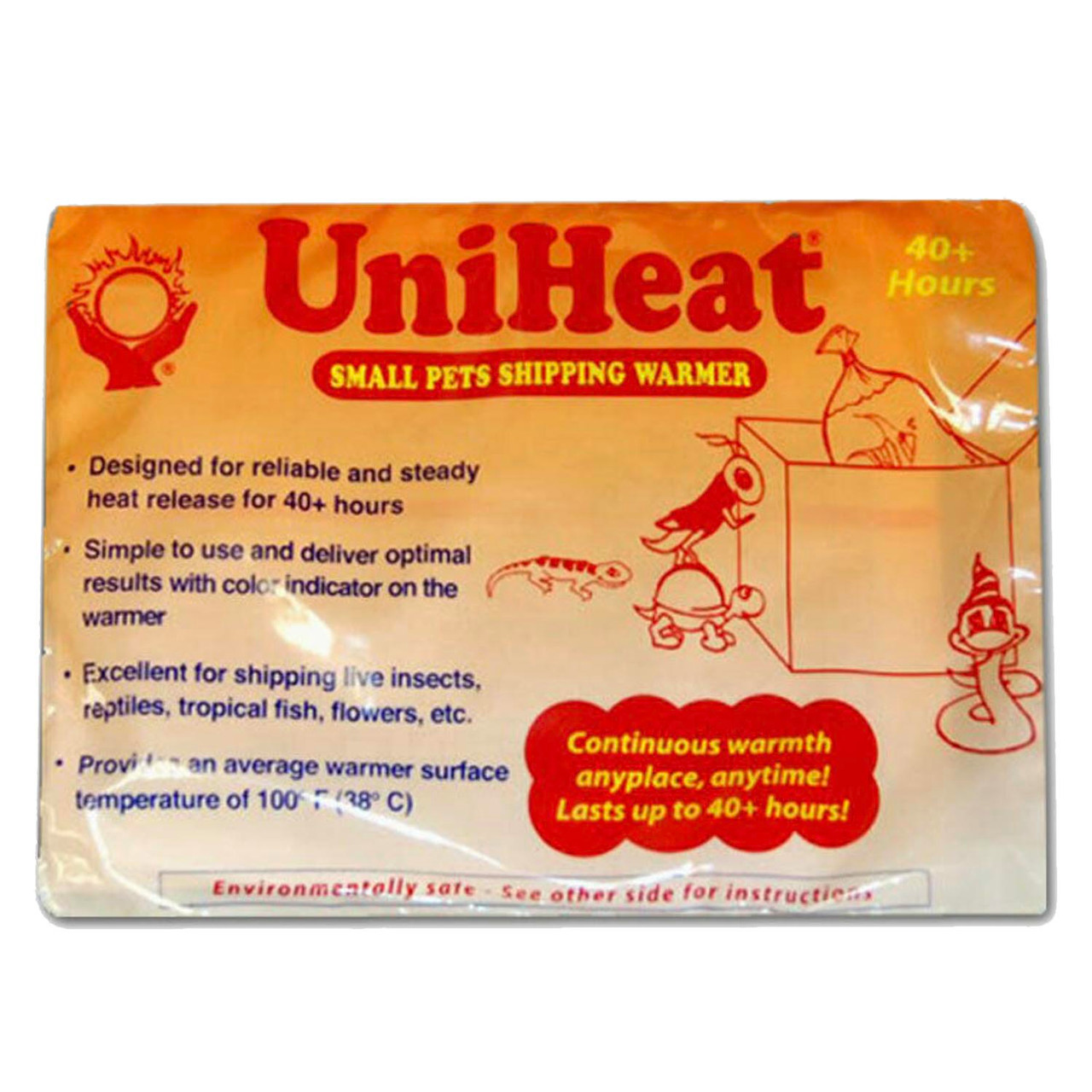
40 Hour Heat Packs
Commonly used for overnight plant shipments, regional winter deliveries, and moderate cold-weather conditions where exposure windows are more limited.
- Regional overnight transit
- Milder winter climates
- Shorter exposure windows
- Compact insulated packaging
- Popular for nearby nursery shipments
Standard Winter Shipping
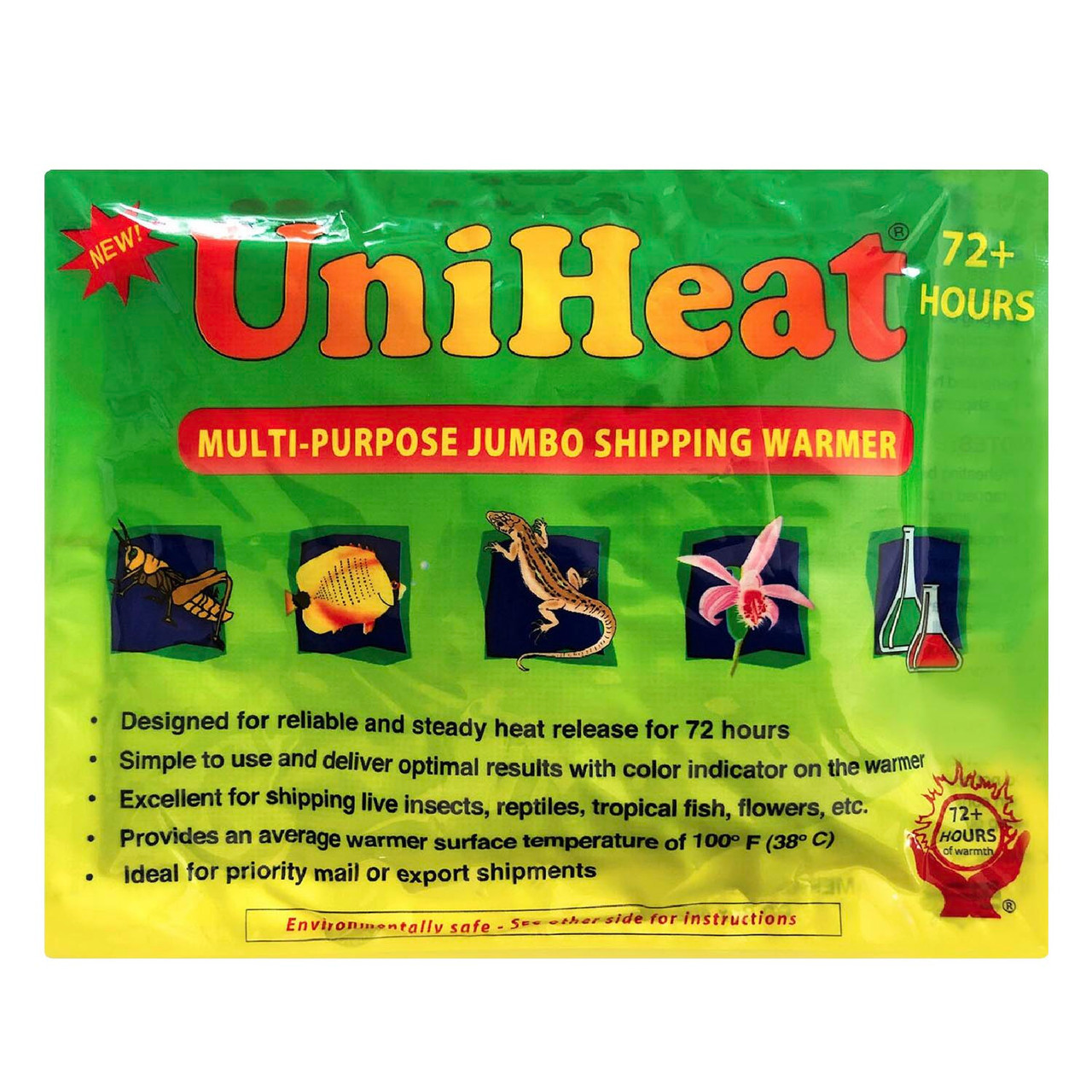
72 Hour Heat Packs
Frequently selected for tropical plants, rooted cuttings, orchids, and cross-country winter shipments where delays or colder transit conditions may increase exposure risk.
- Cross-country winter shipping
- Tropical foliage plants
- Moderate carrier delay protection
- Cold-sensitive plant shipments
- Most common ecommerce nursery option
Extended Protection
96 Hour Heat Packs
Often used during severe cold snaps, remote deliveries, winter storms, or high-risk transit periods where plant shipments may face extended exposure.
- Extreme winter conditions
- Remote delivery zones
- Longer transit uncertainty
- Additional cold-buffer planning
- Higher-risk tropical shipments

What Influences Heat Pack Selection?
Common Variables Plant Shippers Evaluate
Most winter plant shipping setups are based on a combination of weather severity, transit duration, plant sensitivity, moisture conditions, and route exposure.
Outside Temperatures
Lower overnight lows often increase the importance of insulation and longer-duration heat packs.
Transit Duration
Longer routes and winter delays may increase overall cold exposure during transit.
Plant Sensitivity
Tropical plants, orchids, and seedlings often require more conservative winter packaging.
Carrier Conditions
Storms, rerouting, aircraft delays, and hub congestion may extend winter transit exposure.
Important Note About Heat Duration
Heat pack duration ratings are approximate and influenced by insulation, airflow, weather severity, moisture levels, and shipment setup. Actual performance may vary significantly depending on box configuration, carrier delays, and outside temperatures during transit.
Cold Snaps & Transit Planning
Winter Carrier Delays & Sudden Cold Fronts Can Dramatically Increase Plant Shipping Risk
Many winter plant shipping problems occur when transit conditions change unexpectedly after a package is already in motion. Snowstorms, frozen carrier hubs, missed scans, aircraft delays, weekend holds, and regional cold fronts may expose plant shipments to colder temperatures for longer periods than originally planned.
Carrier Delays
A 24-Hour Delay Can Change Everything
A plant shipment designed for overnight transit may face significantly different conditions if severe weather or operational disruptions extend delivery timelines. Tropical plants, rooted cuttings, orchids, and seedlings are especially vulnerable during prolonged winter exposure.
Regional Weather Systems
Transit Hubs May Be Colder Than Destination Forecasts
Plant shippers often monitor temperatures not only at origin and destination, but also major carrier hubs along the shipping route. A shipment traveling through Midwest or mountain-region hubs may encounter much colder conditions than the final delivery location.
Weekend Holds
Friday Shipments Often Carry Higher Winter Risk
Many growers and plant sellers avoid late-week shipping during winter because unexpected delays may leave packages exposed over weekends in colder warehouse environments.
Hold For Pickup
Many Plant Sellers Prefer Pickup During Severe Cold
Hold-for-pickup options may reduce the amount of time a shipment spends exposed on delivery trucks or outside residential addresses during freezing conditions.
Cold Front Monitoring
Rapid Temperature Swings Can Increase Damage Risk
Sudden Arctic fronts and overnight freeze events may create transit conditions that are far more severe than normal seasonal averages. Many winter plant shippers adjust schedules dynamically based on current forecasts.
Packaging Buffer
Many Growers Package for “Worse Than Expected” Conditions
Some winter packaging setups are designed with additional thermal buffer capacity in case routes become delayed or colder than originally forecasted.
Example Winter Transit Scenario
How a Winter Delay Can Affect a Tropical Plant Shipment
Cold-weather exposure often compounds over time rather than from a single short-term event.
Shipment Leaves Origin
Plant shipment enters overnight network with expected next-day delivery timing.
Winter Storm Develops
Carrier hubs experience weather disruptions and aircraft movement slows.
Transit Extends Overnight
Package remains in colder transit conditions longer than originally planned.
Cold Exposure Increases
Plant stress risk rises as temperatures and exposure duration continue accumulating.
Operational Reminder
Many experienced plant sellers monitor weather conditions daily during winter and temporarily pause shipments during severe cold events. Delaying a shipment by a few days is often considered safer than exposing sensitive plants to extreme cold transit conditions.
Seasonal & Regional Shipping Guidance
Plant Shipping Conditions Can Vary Dramatically by Region & Season
Winter plant shipping conditions are rarely consistent across the United States. A tropical plant shipment leaving Florida for Southern California may face very different transit risks than one routed through the Midwest, Northeast, or mountain regions during severe winter weather.
Southern States
Milder Winters Still Carry Risk
Even warmer regions such as Florida, Texas, Arizona, and Southern California may experience overnight freeze events during winter cold fronts. Tropical plant shipments can still experience chilling damage during brief exposure periods.
Midwest & Plains
Major Winter Transit Exposure
Many national carrier routes pass through colder Midwest transit hubs during winter. Extended freezing conditions, snowstorms, and aircraft delays can substantially increase risk for tropical plant shipments.
Northeast
Rapid Freeze Events & Snow Systems
Winter weather in Northeastern states can change rapidly. Ice storms, snow accumulation, and freezing delivery vehicles may increase exposure risk during final-mile delivery.
Mountain Regions
High Elevation Cold Exposure
Mountain states may experience sharp overnight temperature drops and severe winter conditions even when nearby regions remain milder. Rural routes can also increase transit duration uncertainty.
Pacific Northwest
Moisture & Cold Combined
Winter shipments in the Pacific Northwest may encounter prolonged damp and cold conditions. Moisture control and insulation often become especially important for sensitive tropical plants and rooted cuttings.
Cross-Country Shipping
Long Routes Increase Exposure Time
Plant shipments crossing multiple climate zones may encounter varying transit conditions along the route. Heat duration, insulation setup, and routing flexibility often become more important during extended winter transit.
Common Seasonal Shipping Patterns
How Many Plant Sellers Adjust Winter Shipping Throughout the Season
Shipping strategies often evolve dynamically between early winter, peak freeze season, and spring transition periods.
| Season Period | Common Conditions | Typical Plant Shipping Adjustments |
|---|---|---|
| Early Winter | Variable cold fronts begin appearing | Many sellers begin adding insulation and heat packs selectively |
| Peak Winter | Extended freezes, storms, transit delays | Conservative routing, delayed shipping, longer heat durations |
| Late Winter Transition | Freeze risk still possible overnight | Flexible packaging based on route and forecast |
| Spring Warmup | Large regional temperature swings | Packaging setups adjusted dynamically by destination |
Seasonal Planning Reminder
Many experienced plant sellers monitor destination temperatures, transit hubs, weather alerts, and carrier service conditions daily throughout winter. Shipping schedules are often adjusted continuously based on forecast changes rather than fixed calendar dates alone.
Plant Shipping Resources
Helpful Guides for Winter Plant Shipping & Cold-Weather Transit
Explore additional UniHeat educational resources covering insulation strategies, heat pack activation, cold snaps, packaging materials, and operational planning for winter plant shipping.
Packaging Planning
How Many Heat Packs Do You Really Need Per Box?
Explore how box size, outside temperatures, insulation thickness, and transit duration may influence winter shipping setups.
Activation & Insulation
Understanding Heat Pack Activation & Insulation
Learn why airflow, insulation design, ventilation, and packaging setup all influence heat pack performance.
Severe Weather
How to Ship Safely During Sudden Cold Snaps
Review operational strategies for managing severe winter weather, Arctic fronts, and cold-weather carrier disruptions.
Packing Materials
Top Packing Materials to Pair with Heat Packs
Compare insulation approaches commonly used for winter shipping including foam liners, kraft paper, and thermal packaging.
Operational Mistakes
Common Heat Pack Mistakes to Avoid
Review common issues involving airflow blockage, poor insulation, overpacking, and winter transit preparation.
Transit Strategy
When Delaying Shipping Is the Smartest Decision
Learn why many plant sellers temporarily pause shipments during severe winter events and unstable carrier conditions.
Frequently Asked Questions
Questions About Winter Plant Shipping & Heat Packs
Educational questions about cold-weather plant shipping, tropical plant transit, insulation methods, heat pack usage, and winter delivery planning.
Do plants need heat packs during winter shipping?
Many nurseries, tropical plant sellers, and ecommerce growers use heat packs during winter shipping to help support warmer packaging conditions. The need for heat packs depends on plant type, outside temperatures, transit duration, insulation quality, and overall shipping conditions.
At what temperature can plants be damaged during shipping?
Many tropical plants may begin experiencing chilling injury well above freezing temperatures, sometimes below approximately 50°F depending on the species. Cold-hardy dormant plants may tolerate lower temperatures more effectively during transit.
Which UniHeat duration is commonly used for plant shipping?
40-hour packs are commonly used for shorter regional routes and milder winter conditions. 72-hour packs are frequently selected for tropical plants and cross-country winter shipping, while 96-hour packs are often used during severe cold or extended transit uncertainty.
Can heat packs damage plants during shipping?
Direct contact between heat packs and delicate plant tissue may increase the risk of overheating or localized damage. Many plant sellers use cardboard barriers, suspended mounting, or separated packaging compartments to reduce direct exposure.
Do UniHeat packs require airflow to function properly?
Yes. UniHeat warmers are air-activated and require oxygen to activate and maintain warmth. Overly sealed packaging or blocked ventilation may reduce performance during transit.
Why do many plant sellers avoid Friday winter shipments?
Late-week shipments may carry higher risk during winter because unexpected carrier delays can extend transit over weekends, increasing cold exposure inside warehouses or delivery networks.
Should tropical plants be watered before winter shipping?
Moisture management varies depending on plant type and shipping conditions. Many growers avoid overly saturated soil during winter transit because wet soil may retain cold temperatures longer, though excessively dry roots may also create stress.
What is “Hold For Pickup” in plant shipping?
Hold-for-pickup delivery allows shipments to remain at a carrier facility for customer retrieval rather than spending additional time on local delivery vehicles during freezing conditions.
Can succulents and cacti freeze during shipping?
Yes. While some succulents and cacti tolerate cooler temperatures better than tropical foliage plants, many species can still suffer freeze damage, cell rupture, or rot during prolonged cold exposure.
Does insulation matter as much as the heat pack itself?
Yes. Heat packs are generally used as part of a larger insulated packaging system. Foam liners, paper wrap, airflow, box sizing, and moisture management all influence winter shipping performance.
Educational Disclaimer
This page is intended for educational and operational planning purposes only. Shipping outcomes vary depending on plant species, maturity, root condition, weather severity, insulation setup, carrier performance, transit duration, and packaging configuration. Always evaluate current forecasts and shipping conditions before sending live plants during winter.
Explore More Shipping Solutions
UniHeat Supports More Than Plant Shipping
UniHeat shipping warmers are used across multiple cold-weather shipping industries including tropical plants, beverages, cosmetics, aquatics, live animals, meal kits, specialty foods, supplements, and temperature-sensitive ecommerce shipments.
Sources, References & Operational Notes
Educational Cold-Weather Plant Shipping Resource
This page was developed as an educational resource covering cold-weather plant shipping considerations, winter transit risks, packaging approaches, and temperature-related operational planning commonly discussed across horticulture, nursery, greenhouse, and ecommerce plant shipping industries.
Reference Sources
USDA hardiness discussions, university horticulture references, nursery operational guidance, greenhouse shipping practices, and publicly available cold-weather packaging resources.
Industry Variables
Plant species, maturity, dormancy stage, moisture levels, packaging setup, insulation quality, transit duration, and severe weather all influence shipping outcomes.
Operational Reminder
Winter packaging systems should be tested under realistic transit conditions before peak seasonal shipping periods begin.
Important Disclaimer
UniHeat warmers help support warmer packaging environments during cold-weather shipping, but no packaging system can eliminate all winter transit risk. Live plant outcomes may vary significantly depending on weather severity, carrier conditions, plant sensitivity, transit duration, insulation design, moisture levels, and shipment handling throughout the delivery network.
Detailed Sources & References
Linked Plant Shipping & Cold Damage References
The references below support generalized plant cold-tolerance discussions, USDA hardiness guidance, greenhouse practices, and winter shipping considerations. They are provided for educational context and should not replace species-specific horticultural guidance.
Tier 1 · Government / Academic
USDA Plant Hardiness Zone Map — official USDA reference discussing average annual extreme minimum temperatures and plant hardiness zones.
University of Minnesota Extension — Protecting Plants from Cold Temperatures — university horticulture guidance discussing frost injury and cold protection practices.
Tier 2 · Industry & Greenhouse Guidance
Gardenia — Cold Hardiness for Succulents — generalized succulent cold-tolerance and frost sensitivity guidance.
American Orchid Society — Orchid Care Basics — orchid temperature and environmental guidance.
Clemson Cooperative Extension — Indoor Plant Cold Damage — extension guidance on chilling injury and temperature-related stress.
Tier 3 · Commercial Nursery & Trade References
Fast Growing Trees — Cold Weather Shipping Policy — nursery shipping operational guidance discussing freeze holds and winter delivery considerations.
Succulents Box — Protecting Succulents from Frost — succulent cold-weather handling discussion.
UniHeat 72 Hour Heat Pack — commonly used duration for winter plant and nursery shipments.
Product & Catalog References
UniHeat Full Catalog — complete selection of UniHeat warmer durations and packaging configurations.
UniHeat Shipping Blog — educational resources discussing winter packaging systems and cold-weather shipping preparation.
Winter Shipping Solutions
Need Heat Packs for Plant Shipping?
Explore UniHeat shipping warmers designed for cold-weather packaging applications across plant, nursery, tropical foliage, succulent, and ecommerce shipping operations.
Common Plant Shipping Applications
- Tropical houseplants
- Orchids & flowering plants
- Succulents & cacti
- Rooted cuttings
- Seedlings & starter plants
- Bare-root nursery stock
- Bulbs & tubers
- Ecommerce nursery shipping