
Food Shipping
Food Shipping Solutions
Cold-Weather Shipping Protection for Food, Chocolate & Specialty Products
Cold-weather shipping can create serious risks for chocolate, confections, baked goods, specialty foods, sauces, honey, preserves, cheese, cured meats, and chill-sensitive produce. Freezing temperatures, prolonged cold exposure, condensation, and shipping delays may affect texture, appearance, consistency, or product quality.
UniHeat shipping warmers are used by food brands, chocolatiers, bakeries, meal kit companies, specialty retailers, and ecommerce fulfillment teams to help support warmer packaging environments during cold-weather transit. Heat pack duration, insulation, product sensitivity, airflow, and transit timing all matter when shipping food products in winter conditions.
Industry Use
Food & Chocolate Shipping
Used for chocolate, confections, baked goods, sauces, specialty foods, meal kits, and temperature-sensitive products.
Transit Support
Cold-Weather Packaging
Heat packs are commonly paired with insulation, cardboard buffers, box liners, and careful product separation.
Educational Reference
Food Damage Thresholds
This page includes reported cold-weather damage thresholds for chocolate, cheese, produce, honey, and baked goods.
Important Note
Not for Frozen Goods
UniHeat warmers are not designed for products that must remain frozen, such as ice cream or frozen meals.
Cold-Weather Food Transit Risks
Why Food & Chocolate Shipments Become Vulnerable During Winter Transit
Cold-weather food shipping involves more than preventing products from freezing solid. Chocolate can develop bloom, soft cheeses may suffer texture damage, chill-sensitive produce can experience cellular injury above freezing, and glass-packed items may be affected by thermal shock. Insulation, airflow, heat pack placement, product sensitivity, and total transit duration all influence shipping outcomes.
Chocolate & Confections
Bloom, Condensation & Surface Damage
Cold exposure followed by rewarming may create condensation that contributes to sugar bloom, surface whitening, or texture changes. Chocolate shipments usually need insulation and a buffer between the warmer and the product.
Cheese & Dairy
Texture Damage from Freezing
Hard cheeses may tolerate cold better than soft or fresh cheeses, but freezing can still affect texture, moisture, and appearance. Soft cheeses are often more vulnerable to watery or rubbery texture after thawing.
Chill-Sensitive Produce
Damage Can Occur Above Freezing
Bananas, tomatoes, citrus, avocados, mangoes, and other tropical or subtropical produce may experience chilling injury at temperatures well above 32°F.
Honey, Jams & Preserves
Crystallization & Glass Breakage Risk
Cold temperatures may accelerate honey crystallization and create thermal shock concerns for glass jars. The product may remain safe, but presentation and packaging integrity can be affected.
Baked Goods
Staling, Filling Damage & Condensation
Custard-filled, cream-filled, laminated, or chocolate-coated baked goods may be more sensitive to cold exposure than simple breads or cookies.
Heat Pack Activation
Airflow Requirements
UniHeat warmers are air-activated and require oxygen to function properly. Overly sealed packaging or blocked ventilation may reduce performance during winter food shipping.
Important Educational Note
This page is intended as an educational cold-weather food shipping resource based on publicly discussed food, chocolate, postharvest, and specialty product shipping considerations. Shipping outcomes vary by formulation, packaging, insulation, carrier handling, route weather, and transit duration. UniHeat warmers are not intended for products that must remain frozen.
Industry-Reported Cold Exposure Thresholds
Food, Chocolate & Specialty Product Cold-Weather Shipping Reference
Different foods respond differently to cold-weather shipping. Some products tolerate freezing temperatures reasonably well, while others may suffer cosmetic damage, texture changes, crystallization, separation, or structural failure after prolonged exposure. The ranges below are generalized educational references and not product guarantees.
Educational Use Only
Actual shipping outcomes vary based on formulation, moisture content, packaging type, insulation thickness, heat pack duration, carrier delays, and product sensitivity.
| Category | Reported Thresholds | Common Caution Range | Primary Transit Risk | Reference Tier |
|---|---|---|---|---|
|
Chocolate Bars & Truffles
Chocolate, ganache, coated confections
|
Chocolate may experience bloom, condensation, texture shifts, or cracking during temperature cycling. Many confection references discuss storage near 60–70°F with low humidity. | Below ~55°F or rapid swings | Sugar bloom, condensation, whitening, cracking | Tier 2 |
|
Soft Cheese
Fresh cheese, soft-ripened cheese, dairy-based items
|
Soft dairy products may become vulnerable near freezing, especially when moisture content is high and packaging allows texture or moisture migration. | Near or below 32°F | Texture breakdown, moisture separation, packaging stress | Tier 2 |
|
Honey & Syrups
Honey, maple syrup, fruit syrups, sweet sauces
|
Cold temperatures may accelerate crystallization, thickening, or viscosity changes. Glass packaging may add additional thermal stress risk. | Prolonged cold exposure | Crystallization, viscosity changes, glass stress | Tier 3 |
|
Sauces & Condiments
Oil-based sauces, dairy sauces, emulsions, dressings
|
Cold sensitivity varies by water, dairy, oil, and emulsifier content. Some products may separate, thicken, or stress bottles during freeze exposure. | Near freezing; product-specific | Separation, texture changes, bottle cracking | Tier 3 |
|
Tropical Produce
Bananas, mangoes, avocados, tomatoes, citrus
|
Many tropical and subtropical produce items may experience chilling injury above freezing, often in the 45–55°F range depending on commodity. | Below ~50–55°F | Chilling injury, browning, tissue breakdown | Tier 1 |
|
Baked Goods
Pastries, filled bakery items, cakes, breads
|
Cold sensitivity depends heavily on fillings, moisture, fat content, coatings, and packaging. Temperature swings may cause condensation or texture changes. | Product-specific | Condensation, staling, filling instability | Tier 3 |
|
Glass Jar Products
Preserves, sauces, jams, pickles, beverages
|
Freeze expansion risk varies by water content, headspace, fill level, glass thickness, and closure type. | At or below freezing | Cracking, seal failure, leakage | Tier 3 |
Reference Tier Legend
Important Transit Planning Note
Food cold-tolerance ranges shown above are generalized educational references. Actual product performance varies significantly by formulation, moisture content, fat content, packaging materials, headspace, transit duration, and route conditions. Brands should test their own products and packaging systems before relying on any winter shipping configuration.
Food Type & Transit Analysis
Different Food Products Require Different Winter Shipping Strategies
Cold-weather shipping approaches vary significantly depending on the product category, moisture content, formulation, packaging type, and temperature sensitivity. Chocolate, confections, tropical produce, cheese, baked goods, sauces, honey, and specialty foods all respond differently to freezing temperatures, condensation, and prolonged winter transit exposure.
Chocolate & Confections
Temperature Swings Often Cause Cosmetic Damage
Chocolate may experience sugar bloom, fat bloom, condensation, cracking, or texture changes when exposed to cold transit environments followed by warming. Winter chocolate shipping often focuses on stable temperatures rather than excessive heat.
Cheese & Dairy Products
Soft Cheeses Are Often More Vulnerable
Soft cheeses, cream-based products, and fresh dairy items may experience texture breakdown or moisture separation after prolonged cold exposure or partial freezing during transit.
Tropical Produce
Chilling Injury Can Occur Above Freezing
Bananas, avocados, citrus, tomatoes, mangoes, and other tropical produce may become damaged by low temperatures even before freezing occurs. Symptoms may include browning, softening, discoloration, or tissue breakdown.
Honey, Syrups & Preserves
Cold Temperatures May Affect Texture & Packaging
Honey may crystallize faster during cold weather while syrups and preserves packed in glass may face thermal stress during freezing conditions or rapid temperature swings.
Baked Goods & Pastries
Fillings & Moisture Levels Matter
Simple breads and dry baked products may tolerate cold transit better than cream-filled pastries, laminated desserts, custards, or chocolate-coated bakery items.
Sauces, Oils & Condiments
Ingredient Separation May Occur
Cold-weather exposure may contribute to oil separation, thickening, emulsification issues, or bottle stress depending on product composition and packaging type.
Operational Shipping Principle
Many food shipping issues result from prolonged cold exposure and rapid temperature swings — not simply the outside air temperature itself.
A product may tolerate short exposure to cold environments but still become damaged if transit delays extend exposure duration or if the shipment rapidly transitions between frozen and warm environments. Packaging configuration, insulation quality, transit speed, and carrier handling all influence winter food shipping performance.
Common Winter Food Shipping Practices
- Using foam-lined insulated boxes
- Separating heat packs from food products
- Reducing empty air space inside packaging
- Monitoring severe weather before shipping
- Avoiding late-week winter shipments
- Using faster transit services during freezes
Packaging & Insulation Guidance
Packaging Configuration Often Determines Winter Food Shipping Performance
Heat packs are only one part of a broader cold-weather shipping system. Food sensitivity, insulation thickness, airflow, product spacing, moisture management, box size, and transit duration all influence how products perform during winter shipping. Chocolate, baked goods, sauces, cheese, produce, and specialty foods often require different packaging approaches depending on formulation and cold tolerance.
Foam Insulation
Insulated Boxes Help Slow Temperature Swings
Foam liners and insulated containers are commonly used to reduce rapid temperature changes during winter food transit. Longer routes and colder climates often require thicker insulation setups.
Product Separation
Heat Packs Should Not Touch Food Directly
Many food brands use cardboard dividers, thermal barriers, or suspended pack placement methods to reduce direct heat exposure against sensitive products.
Airflow & Activation
Heat Packs Require Oxygen to Function
UniHeat warmers are air-activated. Packaging that is fully sealed or lacks ventilation may reduce activation efficiency and shorten effective heat duration.
Void Space Management
Empty Air Space May Increase Temperature Drift
Reducing unused space inside the box may help improve thermal stability during transit. Many winter shipping setups use kraft paper or insulation materials to limit air gaps.
Glass Jar Protection
Shock Protection Still Matters During Winter
Sauces, preserves, syrups, and honey packaged in glass may require additional padding and stabilization during cold-weather transit.
Transit Duration
Longer Routes Increase Exposure Risk
A setup that performs well for overnight shipping may behave differently during multi-day winter transit or severe carrier delays.
Typical Winter Food Packaging Workflow
How Many Food Brands Configure Winter Shipments
Many food and ecommerce brands use layered packaging systems designed to slow cold exposure and reduce rapid product temperature changes during transit.
Product Preparation
Products are stabilized and prepared based on formulation and cold tolerance.
Insulated Boxing
Foam liners and insulation materials are added to slow temperature fluctuations.
Heat Pack Placement
Heat packs are positioned away from direct product contact while maintaining airflow access.
Transit Release
Shipments are timed around safer weather windows and carrier conditions whenever possible.
Winter Shipping Reminder
No packaging method can eliminate all cold-weather shipping risk. Severe freezes, prolonged carrier delays, warehouse exposure, aircraft disruption, and final-mile delivery conditions may still affect food shipments even when insulation and heat packs are used.
Heat Pack Duration Recommendations
Choosing the Right UniHeat Duration for Food & Chocolate Shipping
Heat pack duration selection depends on outside temperatures, insulation quality, food sensitivity, packaging density, transit uncertainty, and route conditions. Chocolate, specialty foods, cheese, sauces, baked goods, and produce may all require different winter shipping approaches depending on how sensitive the product is to freezing or rapid temperature swings.
Shorter Transit Routes
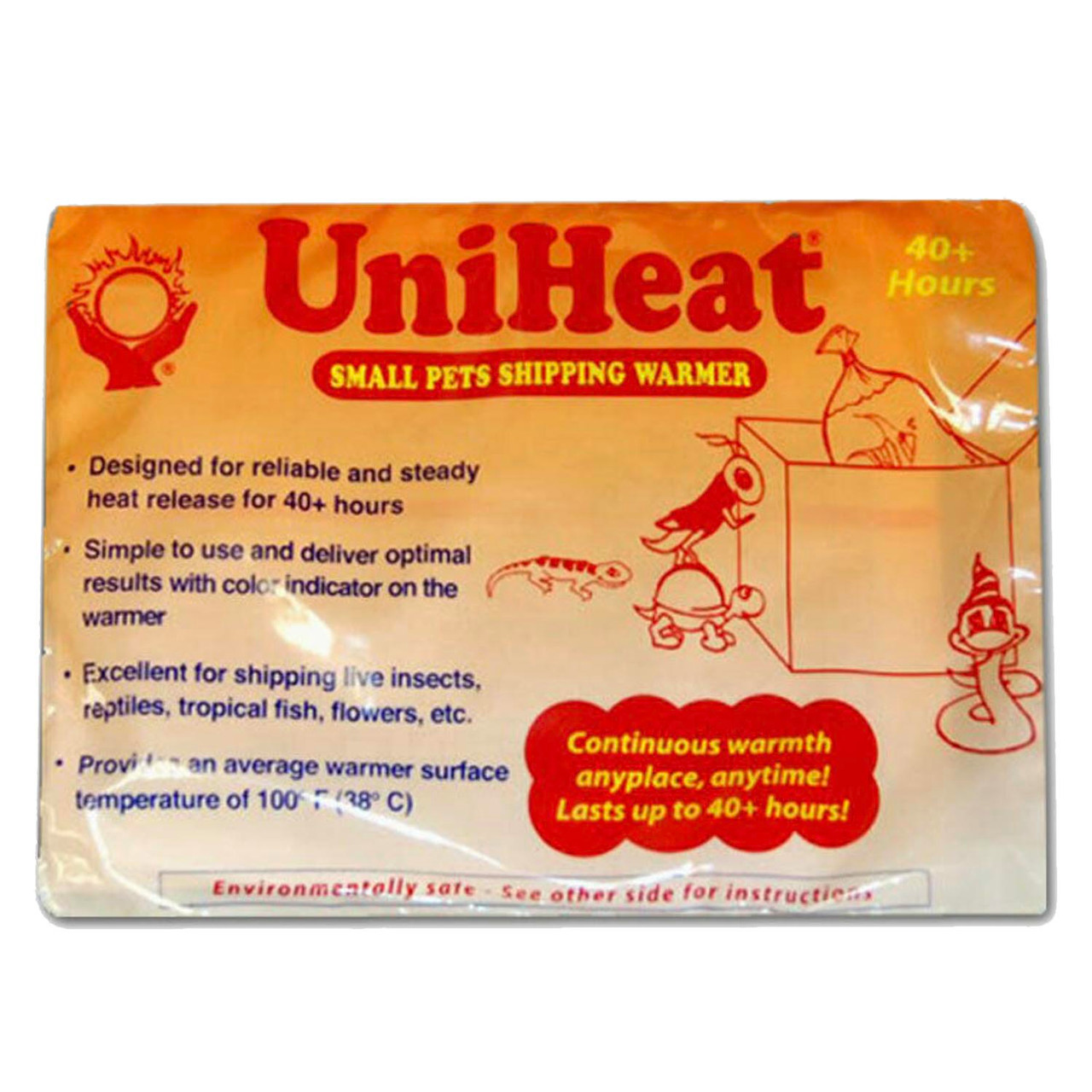
40 Hour Heat Packs
Frequently used for overnight or regional winter food shipments where exposure windows are shorter and routing conditions are more predictable.
- Regional food shipments
- Moderate winter climates
- Overnight ecommerce deliveries
- Chocolate and confection transit
- Compact insulated packaging setups
Standard Winter Food Shipping
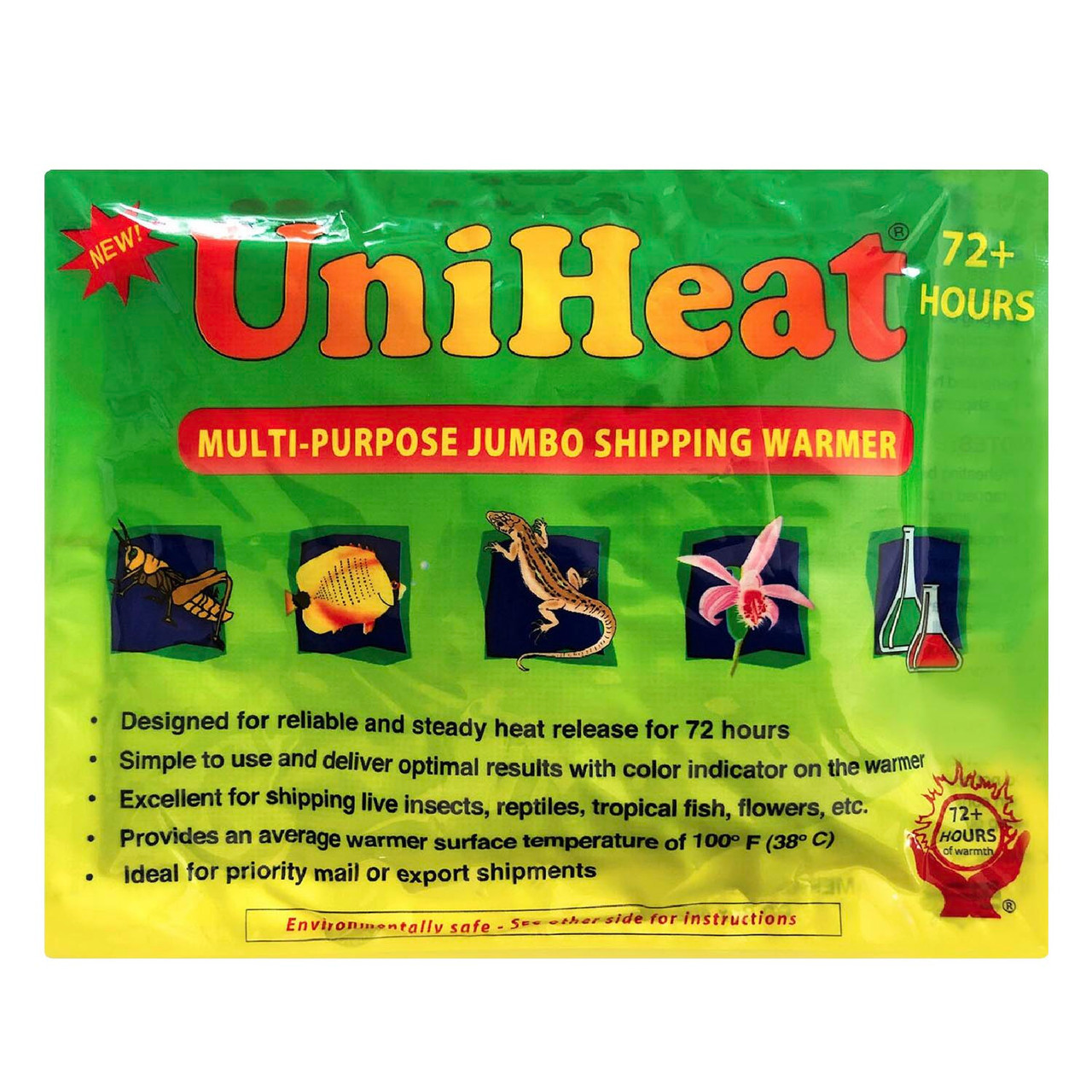
72 Hour Heat Packs
Commonly selected for cross-country food shipments, winter ecommerce fulfillment, chocolate shipping, specialty products, and routes with potential weather delays.
- Cross-country food transit
- Chocolate & confection shipping
- Specialty ecommerce fulfillment
- Moderate winter delay protection
- Most common insulated food setup
Extended Winter Protection
96 Hour Heat Packs
Often used during severe winter systems, extended carrier uncertainty, remote delivery zones, or highly temperature-sensitive specialty food shipments.
- Severe winter conditions
- Remote delivery regions
- Long-duration carrier exposure
- Additional thermal safety margin
- High-value specialty food shipments

Additional Heat Durations Available
Explore the Full UniHeat Catalog
UniHeat offers multiple warmer durations, sizes, and shipping configurations depending on transit conditions, insulation setup, shipment type, and seasonal requirements.
Shop All UniHeat ProductsVariables That Influence Heat Duration Selection
Common Factors Food Brands Evaluate During Winter Shipping
Winter food shipping setups are usually based on a combination of product sensitivity, insulation performance, weather severity, route distance, and transit uncertainty.
Outside Temperatures
Freezing transit hubs and overnight lows often increase the importance of insulation and longer-duration warmers.
Transit Duration
Longer shipping windows and winter carrier delays may increase cold exposure and product instability.
Product Sensitivity
Chocolate, cheese, produce, sauces, and specialty foods may all respond differently to prolonged cold exposure.
Packaging Density
Box size, insulation thickness, void fill, and product mass all influence actual thermal performance during winter shipping.
Important Note About Heat Duration
Heat pack duration ratings are approximate and influenced by insulation, airflow, packaging density, outside temperatures, weather severity, carrier delays, and overall box configuration. Actual winter food shipping performance may vary significantly depending on the specific product and packaging setup.
Cold Snaps & Transit Planning
Carrier Delays, Frozen Hubs & Winter Routing Can Quickly Affect Food Shipments
Many winter food shipping issues occur when products remain in transit longer than expected. Snowstorms, frozen carrier hubs, aircraft disruptions, missed scans, delivery delays, and overnight warehouse exposure may extend cold exposure time and increase the risk of freezing, condensation, texture changes, or packaging damage.
Carrier Delays
Longer Transit Means More Cold Exposure
A shipment designed for overnight delivery may experience very different conditions if winter weather extends transit time. Prolonged exposure may increase the likelihood of freezing or condensation-related issues.
Frozen Carrier Hubs
Hub Temperatures May Matter More Than Destination Weather
A package traveling between two mild climates may still pass through freezing distribution hubs. Many winter shipping plans evaluate likely routing points in addition to the final delivery forecast.
Weekend Exposure
Late-Week Winter Shipments Carry Additional Risk
Many food brands avoid shipping sensitive products late in the week during winter because missed delivery windows may leave shipments sitting in cold facilities over weekends.
Final-Mile Delivery
Products May Sit Outdoors After Delivery
Even if transit temperatures remain acceptable, products left outside after delivery may still experience freezing conditions depending on local weather and delivery timing.
Weather Windows
Shipping Timing Often Matters as Much as Packaging
Many ecommerce and specialty food brands monitor storms, Arctic fronts, and regional freeze warnings before releasing sensitive winter shipments.
Packaging Buffer
Winter Packaging Often Includes Safety Margin
Many winter food shipping systems are designed with additional insulation or longer-duration warmers in case transit becomes colder or slower than expected.
Example Winter Transit Scenario
How a Winter Delay Can Affect a Specialty Food Shipment
Cold exposure risk often increases gradually as shipments spend more time inside winter carrier environments.
Shipment Leaves Origin
Products enter the carrier network with expected transit timing and insulation support.
Winter Delay Occurs
The shipment remains inside colder carrier facilities or transportation environments longer than planned.
Product Temperatures Drift
Internal package temperatures may continue dropping as exposure time increases.
Product Quality Risk Increases
Freezing, condensation, separation, bloom, or texture changes may become more likely depending on the product type.
Operational Reminder
Many food brands, chocolatiers, and ecommerce fulfillment teams actively monitor weather systems and carrier advisories during winter. Delaying shipments during severe freeze events may sometimes be safer than risking extended cold exposure during transit.
Seasonal & Regional Shipping Conditions
Winter Food Shipping Risks Vary Significantly by Region & Season
A winter shipping setup that performs well in Southern California may behave very differently in the Midwest, Northeast, mountain states, or rural delivery zones. Temperature swings, snowstorms, frozen hubs, transit duration, and seasonal carrier congestion all influence cold-weather food shipping outcomes.
Northeast & Upper Midwest
Extended Freezing Exposure Is More Common
Longer periods below freezing may increase the risk of frozen products, glass breakage, condensation, and texture changes during winter food transit.
Southern States
Sudden Arctic Fronts Can Create Unexpected Risk
Regions that are normally mild may still experience severe winter weather events capable of disrupting carrier operations and exposing shipments to freezing conditions.
Mountain & Rural Routes
Remote Deliveries May Increase Exposure Time
Remote delivery areas often involve longer transportation windows and additional overnight carrier handling during winter weather conditions.
West Coast Shipping
Milder Conditions Still Require Planning
Even when origin and destination climates are mild, packages may still travel through colder inland hubs or experience overnight exposure during transit.
Holiday Shipping Season
Peak Volume May Increase Carrier Delays
November through January often brings heavier package volume, increasing the chance of weather-related delays and prolonged cold exposure.
Seasonal Transition Months
Fall & Spring Weather Can Be Unpredictable
Rapid temperature swings during transition seasons may create packaging challenges because daytime and overnight conditions can differ significantly.
Operational Planning Insight
Many Winter Food Shipping Problems Result from the Combination of Cold Weather + Delays
A package may tolerate brief cold exposure reasonably well but still become vulnerable when delays increase total time inside winter carrier systems. Many ecommerce brands adjust insulation and heat duration based on both temperature and estimated transit uncertainty.
This is especially important for chocolate, specialty foods, produce, sauces, bakery products, and glass-packaged shipments during severe winter weather events.
Common Winter Shipping Adjustments
- Using thicker insulation during Arctic events
- Adding longer-duration warmers
- Monitoring hub weather conditions
- Avoiding Friday winter shipments
- Using expedited delivery methods
- Holding sensitive shipments during storms
- Reducing empty box space
- Offering hold-for-pickup delivery
Seasonal Reminder
Winter weather patterns can change rapidly. Many food and ecommerce brands reevaluate shipping methods, insulation levels, and warmer durations throughout the season depending on changing forecasts and carrier performance.
Food Shipping Resources
Helpful Guides for Winter Food, Chocolate & Specialty Product Shipping
Explore additional UniHeat educational resources covering heat pack activation, insulation methods, packaging materials, winter shipping delays, and cold-weather transit planning for food and ecommerce shipments.
Packaging Planning
How Many Heat Packs Do You Really Need Per Box?
Explore how outside temperatures, insulation thickness, transit duration, and packaging density may influence winter food shipping setups.
Activation & Insulation
Understanding Heat Pack Activation & Insulation
Learn why airflow, insulation methods, ventilation, and box configuration all influence heat pack performance during winter shipping.
Severe Weather
How to Ship Safely During Sudden Cold Snaps
Review operational strategies for managing severe freezes, Arctic fronts, winter storms, and carrier disruptions.
Packing Materials
Top Packing Materials to Pair with Heat Packs
Compare insulation approaches commonly used for winter food shipping including foam liners, thermal barriers, and packaging buffers.
Operational Mistakes
Common Heat Pack Mistakes to Avoid
Review common issues involving blocked airflow, improper insulation, direct product contact, and winter transit preparation.
Transit Strategy
When Delaying Shipping Is the Smartest Decision
Learn why many food and ecommerce brands temporarily pause winter shipments during severe weather and unstable carrier conditions.
Frequently Asked Questions
Questions About Winter Food, Chocolate & Specialty Product Shipping
Educational questions about winter food transit, chocolate shipping, heat packs, insulation, freezing temperatures, condensation, and cold-weather ecommerce fulfillment.
Can chocolate be damaged during winter shipping?
Yes. Chocolate may develop sugar bloom, fat bloom, condensation, cracking, or texture changes when exposed to cold temperatures and rapid temperature swings during transit.
Do heat packs help protect food shipments in winter?
Many food brands use heat packs together with insulated packaging to help support warmer internal shipping environments during cold-weather transit.
Which UniHeat duration is commonly used for food shipping?
40-hour packs are commonly used for shorter regional routes, while 72-hour packs are frequently selected for cross-country winter food shipping and ecommerce fulfillment. 96-hour packs are often used during severe weather or extended transit uncertainty.
Can food freeze even when a heat pack is used?
Yes. Packaging outcomes depend on insulation quality, airflow, outside temperatures, transit duration, package size, and carrier handling conditions. Heat packs are only one part of a winter shipping system.
Do UniHeat warmers require airflow?
Yes. UniHeat warmers are air-activated and require oxygen to function properly. Completely sealed packaging may reduce activation performance.
Should heat packs touch food products directly?
Many winter food shipping setups use cardboard barriers or insulation layers between the heat pack and the product to reduce direct heat exposure.
Why do some food brands avoid Friday winter shipments?
Late-week winter shipments may face increased risk if delays extend transit into weekends, causing packages to remain inside cold carrier environments longer than expected.
Can glass food jars break during winter shipping?
Yes. Sauces, syrups, preserves, honey, and other products packed in glass may face freeze expansion or thermal shock risks during severe cold exposure.
Can produce be damaged above freezing temperatures?
Yes. Some tropical or chill-sensitive produce varieties may experience chilling injury at temperatures above 32°F depending on the product type.
Does insulation matter as much as the heat pack itself?
Yes. Foam liners, airflow, void space reduction, packaging density, and insulation quality all influence actual winter shipping performance.
Educational Disclaimer
This page is intended for educational and operational planning purposes only. Shipping outcomes vary depending on food formulation, packaging type, insulation design, transit duration, weather severity, carrier handling, and final delivery conditions. UniHeat warmers are not intended for products that must remain frozen throughout transit.
Explore More Shipping Solutions
UniHeat Supports Multiple Temperature-Sensitive Industries
UniHeat shipping warmers are used across food, beverages, cosmetics, aquatics, plants, live animal shipping, supplements, meal kits, and other cold-weather ecommerce applications.
Sources, References & Operational Notes
Educational Cold-Weather Food Shipping Resource
This page was created as an educational resource covering winter food shipping considerations, chocolate transit, specialty product cold exposure, insulation approaches, carrier delays, and operational packaging practices commonly discussed across ecommerce, fulfillment, food manufacturing, and specialty shipping industries.
Reference Sources
Food shipping discussions, ecommerce packaging practices, postharvest handling guidance, confection transit considerations, and publicly available winter shipping materials.
Industry Variables
Food formulation, moisture content, packaging materials, insulation quality, route conditions, transit duration, weather severity, and carrier handling all influence shipping outcomes.
Operational Reminder
Winter packaging systems should be tested under realistic seasonal conditions before peak holiday and cold-weather shipping periods begin.
Important Disclaimer
UniHeat warmers help support warmer packaging environments during cold-weather food shipping, but no packaging system can eliminate all winter transit risk. Food products may still experience freezing, condensation, crystallization, texture changes, separation, bloom, or packaging damage depending on weather severity, carrier delays, insulation design, transit duration, and overall shipment configuration.
Detailed Sources & References
Linked Food, Chocolate & Cold-Weather Shipping References
The references below support generalized cold-exposure discussions for chocolate, produce, cheese, honey, cured meats, baked goods, and insulated food shipping. They are provided for educational context and should not replace product-specific testing.
Tier 1 · Scientific / Academic
PMC — Banana chilling injury research — scientific reference discussing chilling injury in bananas.
Scientific Reports — Tomato chilling injury research — peer-reviewed research on tomato cold exposure and chilling injury.
Tier 2 · Industry & Commodity Guidance
National Honey Board — How to Store Honey — industry guidance on honey storage and crystallization.
USDA FSIS — Jerky and Food Safety — USDA reference for cured/dried meat food safety considerations.
Tier 3 · Commercial / Packaging References
TemperPack — Ecommerce Confectionery Shipping Guide — commercial packaging guidance for chocolate and confectionery shipping.
EasyPost — How to Ship Food — ecommerce shipping guidance for food shipments.
Cheese Science Toolkit — Freezing Cheese — commercial/technical discussion of cheese freezing and texture effects.
Product & Catalog References
UniHeat Full Catalog — complete selection of UniHeat warmer durations and pack configurations.
UniHeat 72 Hour Heat Pack — commonly used duration for cold-weather food and specialty product shipments.
Winter Shipping Solutions
Need Heat Packs for Food Shipping?
Explore UniHeat shipping warmers used across chocolate shipping, gourmet food ecommerce, bakery products, specialty foods, meal kits, sauces, preserves, produce, and temperature-sensitive winter shipments.
Common Food Shipping Applications
- Chocolate & confections
- Bakery & pastry products
- Specialty gourmet foods
- Meal kit ingredients
- Cheese & dairy shipments
- Honey & preserves
- Sauces & condiments
- Temperature-sensitive produce