
Aquatics Shipping
Aquatics Shipping Solutions
Cold-Weather Shipping Protection for Fish, Coral & Aquatic Livestock
Cold shipping can put fish and other water life at risk. This includes tropical fish, coral, shrimp, and marine livestock. It also includes freshwater invertebrates and water plants. Freezing weather, delays, poor insulation, or bad heat pack placement can cause problems. Any of these may let water temperatures drop out of safe ranges.
Many aquatics shippers use UniHeat shipping warmers. They include suppliers, fish breeders, coral vendors, aquarium stores, and hobbyists. The warmers help keep the box warmer during cold transit. Several things matter when you ship live fish in winter. Heat pack duration, insulation, and airflow all count. So do bag placement, water volume, and route planning.
Industry Use
Fish, Coral & Aquatics
Used for tropical fish, coral, shrimp, water plants, freshwater livestock, and marine shipments.
Transit Support
Water-Based Shipping
Heat packs are often used with insulated boxes. Good airflow and separate water bags help too.
Educational Reference
Temperature Thresholds
This page shows reported shipping temperature ranges. It also covers cold risks and packing tips.
Important Note
Stable Water Temps Matter
Results depend on species, water volume, and insulation. Oxygen needs, airflow, and transit time matter too.
Cold-Weather Aquatics Transit Risks
Why Aquatic Shipments Become Vulnerable During Winter Transit
Shipping fish in the cold takes more than a heat pack in a box. Many things can affect fish, coral, shrimp, plants, and marine livestock. These include outside temperatures, water volume, and insulation quality. Oxygen levels, bag position, and transit time also matter. So do cold carrier spaces. Small changes in water temperature can stress or shock sensitive species.
Temperature Exposure
Rapid Water Cooling
Cold outside air may cool the water during transit. This is more likely with poor insulation or long delays. Tropical species often react badly to sudden temperature changes.
Transit Delays
Extended Exposure Windows
Winter storms and missed scans can slow a shipment. So can aircraft delays and weekend holds. These may keep the box in the cold longer than planned. The longer the exposure, the more likely the water temperature shifts.
Bag Volume
Small Water Volumes Cool Faster
Small amounts of water may lose heat faster in transit. Bag size, water amount, and insulation thickness all play a part. They affect how fast the temperature changes inside the box.
Packaging Setup
Insulation & Box Configuration
Foam liners and insulated containers help keep temperatures steady. Bag position and filling empty space matter too. Too much empty space or poor insulation can let heat escape in winter.
Heat Pack Placement
Direct Heat Exposure Risks
Heat packs set too close to fish bags or coral cups can overheat one spot. Many shippers keep heat packs apart with cardboard barriers. Others hang the pack so it does not touch the bags.
Airflow & Oxygen
Heat Packs Require Ventilation
UniHeat warmers are air-activated. They need oxygen to work well. A box sealed too tight or with blocked vents may cut heat output.
Important Educational Note
This page is a learning resource on cold aquatics shipping. It is based on aquarium industry practices that are publicly discussed. It also draws on common tips for shipping sensitive livestock. Results vary by species, water volume, and oxygen. Insulation, heat pack placement, weather, and transit time matter too. We strongly suggest testing your packing setup before peak winter shipping.
Industry-Reported Shipping Thresholds
Aquatics Cold-Weather Shipping Reference
Different species handle cold transit in different ways. Tropical fish and coral are often very sensitive to temperature. Cold-water species may handle lower temperatures better during shipment. The table below shows general learning references. They are common in aquarium shipping and aquatics shipping groups. They are not promised survival temperatures.
Educational Use Only
Real results depend on species, water volume, and oxygen levels. Bag setup, insulation thickness, and heat pack duration matter too. So do transit delays and carrier handling.
| Category | Reported Thresholds | Common Caution Range | Primary Transit Risk | Reference Tier |
|---|---|---|---|---|
|
Tropical Freshwater Fish
Tetras, gouramis, livebearers, cichlids
|
Tank temperatures commonly reported around 75–80°F. Hardy species may handle brief exposure near ~68°F. Discus often need warmer conditions. | Below ~68°F water temp | Cold stress, immune suppression, shipping shock | Tier 3 |
|
Cold-Water Fish
Goldfish, koi, white cloud minnows
|
Tank temperatures commonly reported around 60–75°F. More cold-tolerant than tropical species. They may handle brief exposure near ~50°F. | Below ~50°F water temp | Stress, lethargy, extended cold exposure | Tier 3 |
|
Saltwater / Marine Fish
Clownfish, tangs, wrasses, angelfish
|
Marine tank temperatures commonly reported around 76–80°F. Brief exposure near ~70°F may be OK. Sudden swings are risky. | Below ~70°F water temp | Cold stress, shock, rapid temperature fluctuations | Tier 3 |
|
Coral & Reef Livestock
SPS, LPS, soft corals, anemones
|
Most corals are commonly maintained around 77–80°F. Long cold below ~70°F is widely seen as risky for reef livestock. | Below ~70°F water temp | Bleaching, tissue recession, stress response | Tier 3 |
|
Shrimp & Freshwater Inverts
Neocaridina, Caridina, snails, crayfish
|
Hardier shrimp species are commonly kept around 65–75°F. Caridina are often seen as more sensitive than Neocaridina. | Below ~60°F water temp | Temperature shock, stress, molting issues | Tier 3 |
|
Aquatic Plants
Anubias, java fern, stem plants, mosses
|
Most freshwater aquatic plants are commonly maintained around 65–82°F. Tropical plants may suffer below ~60°F. | Below ~60°F water temp | Leaf melt, dieback, tissue damage | Tier 3 |
Reference Tier Legend
Important Transit Planning Note
The temperature ranges above are general learning references. They come from public aquarium care guides and aquatics shipping practices. They also draw on reef-keeping talks and known commercial aquatics sources. Real tolerance varies a lot by species. It depends on acclimation, oxygen levels, and water chemistry. Bag volume, insulation setup, and total transit time matter too.
Aquatics Type & Transit Analysis
Different Aquatic Shipments Require Different Winter Shipping Strategies
Cold shipping varies a lot by species and water volume. It also depends on oxygen demand, bag setup, and total transit time. Different species react to winter shipping in different ways. These include tropical reef coral, freshwater shrimp, and discus fish. Water plants and cold-water species differ as well.
Tropical Freshwater Fish
Discus, Bettas, Tetras & Sensitive Freshwater Species
Many tropical freshwater species are very sensitive to temperature swings in transit. Sudden cooling may add stress. It may weaken the immune system. Long winter exposure may also lead to shipping losses.
Marine Fish & Reef Livestock
Saltwater Species Often Require Stable Temperatures
Marine livestock and reef species are often shipped with extra insulation. Many reef animals react badly to quick temperature changes in transit.
Coral Shipping
Thermal Stability Is Often Critical
Cold, unsteady temperatures can harm coral. They may cause bleaching, tissue loss, or stress. Many reef shippers focus on good insulation in colder months. They also plan route timing with care.
Freshwater Shrimp & Invertebrates
Smaller Water Volumes Increase Sensitivity
Shrimp and small invertebrates often ship in small bags with less water. Without enough insulation, these may cool faster in winter.
Aquatic Plants
Cold Injury Depends on Plant Species
Some water plants handle cooler temperatures better than others. Tropical types may suffer tissue damage or melt in the cold.
Cold-Water Species
Tolerance Varies by Species & Exposure Duration
Cold-water species may handle lower transit temperatures better than tropical fish. Still, long freezing exposure or unsteady conditions can put them at risk.
Operational Shipping Principle
Many shipping losses come from unsteady temperature swings. A single short cold spell is less often the cause.
Many things can add stress during shipment. These include transit delays, cold hubs, and overnight storage. Frozen delivery trucks and shifting water temperatures add to it. Many skilled shippers look at total cold time across the whole route. They don't just check the forecast for the delivery day.
Common Winter Aquatics Shipping Practices
- Using insulated foam-lined boxes
- Separating heat packs from water bags
- Monitoring carrier weather conditions
- Reducing empty space inside boxes
- Using Hold For Pickup during freezes
Packaging & Insulation Guidance
Aquatics Packaging Setup Often Determines Winter Shipping Stability
Heat packs work as one part of an insulated shipping system. Several things affect how steady temperatures stay in winter. These include foam liners, water volume, and bag placement. Oxygen, airflow, and insulation thickness matter too. Tropical fish, coral, shrimp, water plants, and marine livestock often need different packing. It depends on the species and the transit time.
Foam Insulation
Foam Liners Help Stabilize Water Temperatures
Insulated foam boxes are common in aquatics shipping. They help slow quick temperature changes. Longer routes and colder climates often need thicker insulation. They may also need more careful winter packing.
Bag Placement
Positioning Affects Temperature Stability
Where bags sit in the insulated box may affect how heat spreads. It can also affect how steady the temperature stays. In winter, many shippers keep livestock bags away from the outer box walls.
Heat Pack Separation
Avoid Direct Contact with Livestock Bags
Heat packs are often placed so they don't touch water bags. Shippers use cardboard barriers or hang the packs. This lowers the risk of overheating one spot.
Water Volume
Larger Water Masses Retain Heat Longer
Small bags with less water may cool faster in winter. Shippers often balance water amount against oxygen needs. Shipping weight is a factor too.
Airflow & Activation
Heat Packs Require Oxygen to Function
UniHeat warmers are air-activated. Packing that is sealed too tight or has no vents may limit airflow. This can affect how the heat pack activates in transit.
Transit Duration
Longer Routes Increase Thermal Risk
A setup that works well overnight may act differently on a multi-day winter trip. Carrier delays and harsh cold make good insulation more important. They also make heat duration planning more important.
Common Aquatics Packaging Workflow
Typical Winter Aquatics Shipping Setup
Many aquatics suppliers and aquarium shippers use a layered packing method. It is meant to slow quick water temperature changes in winter transit.
Livestock Preparation
Fish, coral, or other livestock are bagged with water and oxygen.
Insulated Boxing
Foam liners and thermal barriers are added to cut heat loss in transit.
Heat Pack Placement
Heat packs are kept apart from livestock bags while still getting air.
Transit Release
Shipments are timed around safer weather and carrier conditions.
Cold-Weather Shipping Reminder
No packing method can remove all winter shipping risk. Harsh weather and carrier problems can still affect livestock. So can aircraft delays and long warehouse stays. Freezing delivery spaces are a risk too. This holds even when insulation and heat packs are used.
Heat Pack Duration Recommendations
Choosing the Right UniHeat Duration for Aquatics Shipping
Choosing heat pack duration depends on many things. These include species, outside temperatures, and insulation thickness. Water volume and route distance matter too. So do transit uncertainty and winter carrier conditions. Tropical fish, coral, shrimp, and reef livestock are often shipped with extra care in colder months. They are sensitive to temperature swings.
Shorter Transit Routes
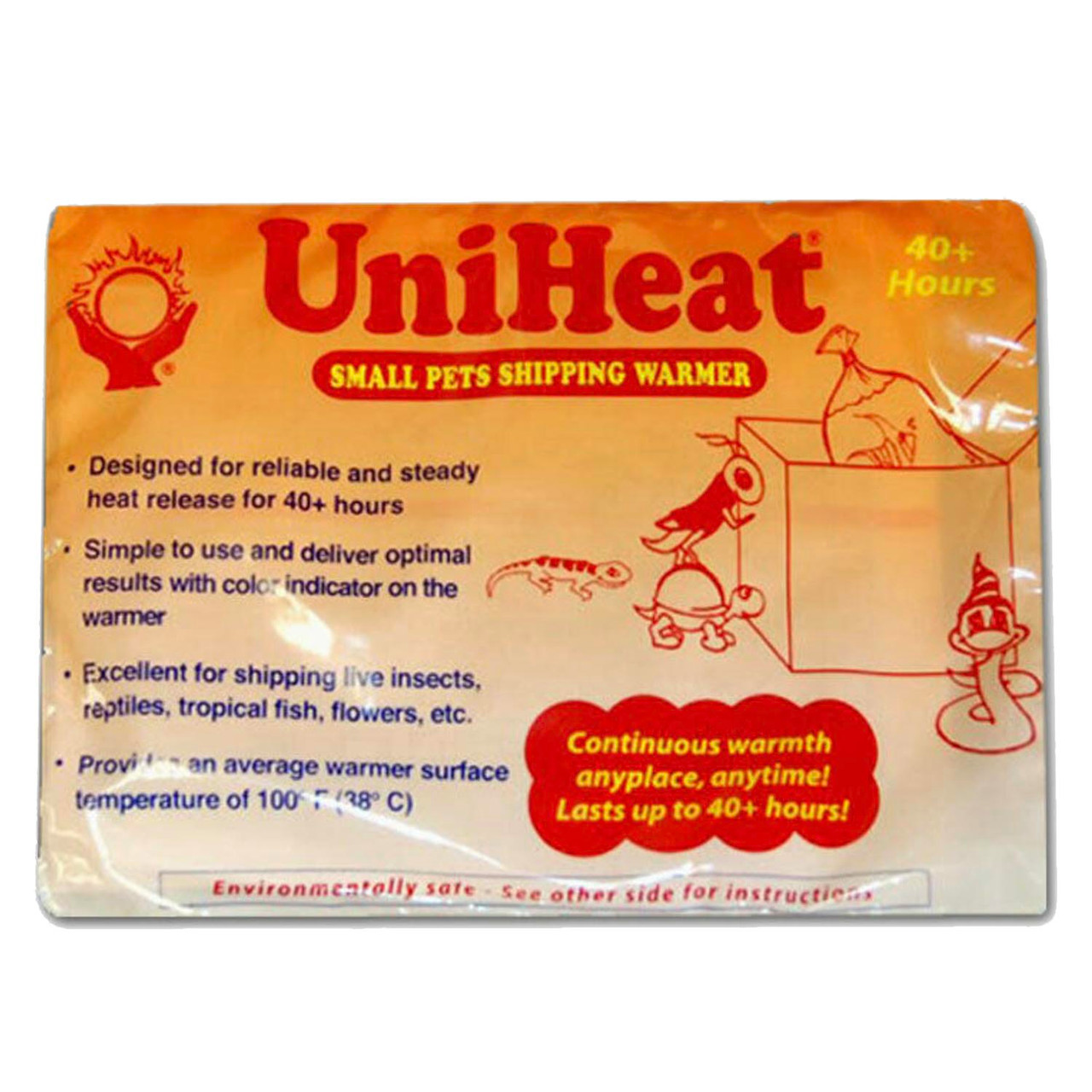
40 Hour Heat Packs
Often used for overnight shipments and regional deliveries. Suited to mild winter conditions with shorter time in transit.
- Overnight fish shipments
- Moderate winter climates
- Regional aquatics delivery routes
- Shorter transit exposure windows
- Compact insulated packaging setups
Standard Winter Aquatics Shipping
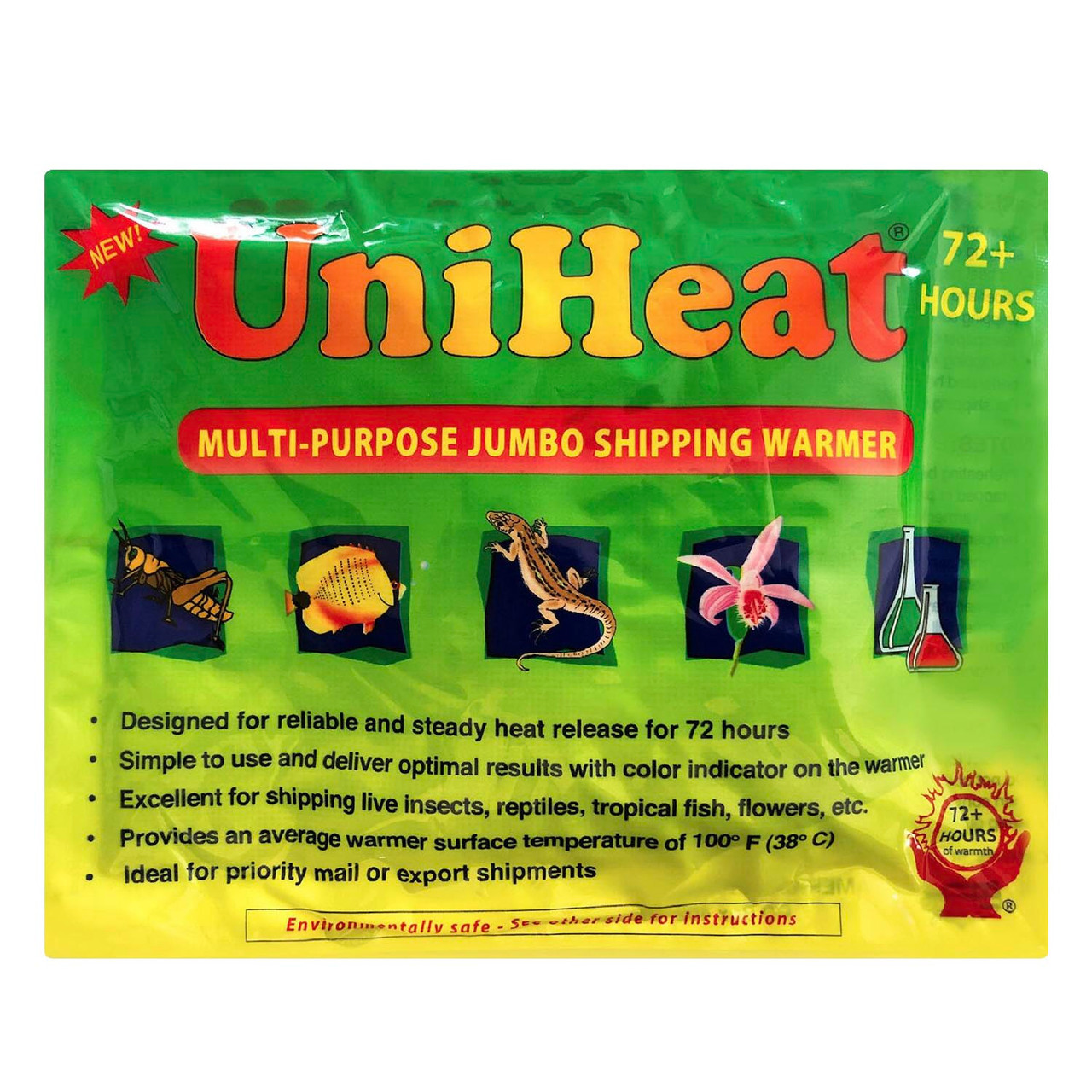
72 Hour Heat Packs
Often chosen for tropical fish, coral, reef livestock, and shrimp. Also used for cross-country shipments. These are cases where winter delays or colder routes may add risk.
- Cross-country aquatics shipping
- Tropical marine livestock
- Reef coral & sensitive species
- Moderate winter delay protection
- Most common aquatics ecommerce setup
Extended Winter Protection
96 Hour Heat Packs
Often used during harsh winter storms and on remote routes. Also used when transit time is very uncertain. It suits high-risk cold aquatics shipments.
- Severe winter conditions
- Long-duration carrier exposure
- Remote delivery destinations
- Additional thermal safety margin
- High-value aquatics shipments

Additional Heat Durations Available
Explore the Full UniHeat Catalog
UniHeat offers warmers in several durations, sizes, and shipping setups. Choose based on transit conditions and insulation setup. Shipment type and season matter too.
Shop All UniHeat ProductsVariables That Influence Heat Duration Selection
Common Factors Aquatics Shippers Evaluate During Winter
Winter shipping setups are usually based on several factors. These include species, water mass, and route conditions. Insulation quality and transit uncertainty matter too.
Outside Temperatures
Lower overnight lows and freezing hubs make insulation more important. They also make longer-lasting heat packs more important.
Transit Duration
Longer routes and winter carrier delays may add cold exposure. They may also make temperatures less steady.
Species Sensitivity
Tropical reef livestock, coral, shrimp, and sensitive fish often need extra care in winter packing.
Water Volume & Insulation
Small amounts of water cool faster in transit. That makes insulation quality and packing setup more important.
Important Note About Heat Duration
Heat pack duration ratings are approximate. Insulation, airflow, and water volume affect them. So do weather, carrier delays, and box setup. Real performance may vary a lot. It depends on how the shipment is packed and handled in winter transit.
Cold Snaps & Transit Planning
Carrier Delays, Cold Hubs, and Winter Routes Can Change Risk Fast
Many winter shipping problems start after the box is already moving. The water temperature drifts outside the expected range. Snowstorms, frozen hubs, and aircraft delays can add time in the cold. So can missed scans, weekend holds, and cold last-mile trucks. This raises heat stress for fish, coral, shrimp, and other livestock.
Carrier Delays
Longer Transit Means More Water Temperature Drift
A shipment planned for overnight delivery may face very different conditions if winter delays stretch transit. As time in the cold grows, water temperature may keep drifting from the target range.
Cold Transit Hubs
Hub Weather May Matter More Than Destination Weather
A shipment may pass through colder hub cities even if the destination looks mild. Many shippers check likely route points before sending winter shipments. They also check overnight lows and carrier service conditions.
Weekend Holds
Late-Week Shipping Can Increase Winter Risk
Missed deliveries near weekends may leave shipments at carrier sites longer than planned. Many fish and coral shippers like to ship early in the week during cold periods.
Hold For Pickup
Pickup May Reduce Final-Mile Exposure
Hold-for-pickup options may cut time on cold delivery trucks. They may also avoid time sitting outside homes. This helps for sensitive coral, tropical fish, and marine livestock.
Route Timing
Aquatics Shipments Often Need Narrow Weather Windows
Live fish and coral are very sensitive to temperature and oxygen balance. So many sellers avoid shipping during harsh winter storms. They also avoid holiday rushes and known carrier problems.
Packaging Buffer
Package for Realistic Winter Disruptions
Many winter packing setups add extra insulation and heat time as a buffer. This helps if the route turns colder or slower than expected.
Example Winter Transit Scenario
How a Winter Delay Can Affect a Tropical Fish or Coral Shipment
Cold exposure can add up over time. Water temperature slowly drifts during long transit.
Shipment Leaves Origin
Fish, coral, or other livestock enters the carrier network with overnight timing expected.
Cold Hub Delay Occurs
The package stays in a colder carrier space longer than planned.
Water Temperature Drifts
Bag temperatures may start moving out of the expected range as exposure goes on.
Livestock Stress Risk Increases
Unsteady temperatures, oxygen demand, and total transit time may raise stress risk.
Operational Reminder
Many skilled shippers check forecasts every day in winter. They also check carrier alerts and pickup conditions at the destination. Holding a shipment during harsh cold or carrier problems may be safer. It avoids putting sensitive livestock through unsteady transit.
Seasonal & Regional Shipping Guidance
Shipping Conditions Can Change a Lot by Region and Season
Cold aquatics shipping depends a lot on the route. Carrier hub temperatures and overnight lows matter. So does total transit time. A box going between two mild places may still pass through freezing hubs in winter.
Southern States
Milder Routes Can Still See Freeze Events
Florida, Texas, Arizona, and Southern California may have mild winters on average. But sudden overnight freezes can still happen. Colder hub routes can also affect fish, coral, and water plant shipments.
Midwest & Plains
Major Winter Hub Exposure
Many national carrier networks pass through colder Midwest hubs. Snow, ice, and aircraft delays can add time in the cold for water-based shipments.
Northeast
Snow Systems & Final-Mile Risk
Ice storms, deep snow, and cold delivery trucks may raise last-mile risk. This affects tropical fish, coral, shrimp, and marine livestock.
Mountain Regions
High-Elevation Temperature Drops
Mountain routes may get sharp cold at night, even when nearby areas stay warmer. Remote delivery routes may also make transit times less certain.
Coastal Routes
Milder Air, Sensitive Livestock
Coastal climates may lower the risk of freezing. But tropical livestock may still need steady temperatures. Careful packing still matters during seasonal swings.
Cross-Country Shipping
Long Routes Increase Temperature Drift
Shipments that cross several climate zones may need more insulation in winter. They may also need longer heat duration and more careful route planning.
Common Seasonal Shipping Patterns
How Aquatics Shippers Adjust Winter Shipping Throughout the Season
Many fish, coral, and aquarium livestock sellers change their packing and timing as winter weather changes.
| Season Period | Common Conditions | Typical Aquatics Shipping Adjustments |
|---|---|---|
| Early Winter | Variable cold fronts and overnight lows | Start adding insulation and heat packs based on route forecasts |
| Peak Winter | Freezes, storms, hub delays, aircraft disruption | Use careful routing, Hold For Pickup, and longer heat durations |
| Late Winter Transition | Warm days but cold overnight routes remain possible | Adjust heat pack use for each destination and hub's weather |
| Spring Warmup | Temperature swings and regional instability | Balance cold-weather protection with overheating risk as temperatures rise |
Seasonal Planning Reminder
Before sending winter shipments, many skilled shippers check several things. They look at origin, destination, and carrier hub temperatures. They also watch weather alerts and when the customer can pick up. Water temperatures can drift during long transit. So routing and timing often matter as much as the heat pack itself.
Aquatics Shipping Resources
Helpful Guides for Winter Aquatics Shipping & Temperature Protection
See more UniHeat learning resources. Topics include heat pack activation, insulation, and cold snaps. Others cover packing materials and planning for winter fish, coral, and aquatics shipping.
Packaging Planning
How Many Heat Packs Do You Really Need Per Box?
See how box size and insulation thickness may shape winter packing. Outside temperatures and transit time play a part too.
Activation & Insulation
Understanding Heat Pack Activation & Insulation
Learn how airflow, insulation design, and vents affect heat pack performance. Package setup matters in winter shipping too.
Severe Weather
How to Ship Safely During Sudden Cold Snaps
Review ways to handle harsh winter weather and frozen hubs. Plan for Arctic fronts and carrier disruptions.
Packing Materials
Top Packing Materials to Pair with Heat Packs
Compare insulation methods often used for winter shipping. These include foam liners, thermal barriers, and heat-holding materials.
Operational Mistakes
Common Heat Pack Mistakes to Avoid
Review common issues like blocked airflow, poor insulation, and wrong heat placement. Learn how to prepare for winter transit.
Transit Strategy
When Delaying Shipping Is the Smartest Decision
Learn why many aquatics sellers pause shipments for a while during harsh cold. Unsteady carrier conditions are another reason.
Frequently Asked Questions
Questions About Winter Aquatics Shipping & Heat Packs
Questions about cold fish shipping, coral transit, and insulation. Also covers heat pack use, water temperature, and winter aquatics shipping.
Do fish shipments need heat packs during winter?
Many aquatics sellers use heat packs for winter shipping. The packs help keep the box warmer. This helps tropical fish, coral, shrimp, and other sensitive livestock.
Can cold temperatures kill tropical fish during shipping?
Yes. Many tropical fish are sensitive to sudden water temperature drops in transit. Long exposure to cold or unsteady water may cause stress. In some cases, it can be fatal.
Which UniHeat duration is commonly used for aquatics shipping?
40-hour packs are often used for overnight regional shipments. 72-hour packs are often chosen for tropical fish and coral. They are also used for cross-country winter shipping. 96-hour packs are often used in harsh cold or when transit time is very uncertain.
Can heat packs overheat fish or coral shipments?
Heat packs touching livestock bags may overheat one spot. Many shippers keep heat packs apart with cardboard barriers. Others hang the packs away from the bags.
Do heat packs require airflow inside aquatics shipments?
Yes. UniHeat warmers are air-activated and need oxygen to work. Fully sealed packing or blocked airflow may cut heat output in transit.
Why do many aquatics sellers avoid Friday winter shipments?
Shipping late in the week in winter may carry more risk. Carrier delays can push transit into the weekend. That adds time in colder buildings or delivery trucks.
Does water volume affect winter shipping performance?
Yes. Small amounts of water may cool faster in transit. Water amount, insulation quality, and box setup all affect how steady the temperature stays.
What is Hold For Pickup in aquatics shipping?
Hold-for-pickup lets the shipment stay at a carrier facility. The customer picks it up there. This avoids extra time on cold delivery trucks or outdoor drop-offs.
Can coral shipments be damaged by temperature swings?
Yes. Many reef corals are sensitive to unsteady water temperatures in transit. Long cold exposure may add stress or cause tissue damage.
Does insulation matter as much as the heat pack?
Yes. Heat packs are usually one part of an insulated shipping system. Foam liners, bag placement, and airflow all affect winter stability. Water volume and the overall packing setup matter too.
Educational Disclaimer
This page is for learning and planning only. Results vary by species, oxygen levels, and water chemistry. Transit time, weather, and insulation setup matter too. So does carrier handling. Check winter shipments with care before sending them out in harsh weather.
Explore More Shipping Solutions
UniHeat Supports Multiple Temperature-Sensitive Industries
UniHeat shipping warmers are used in many fields. These include aquatics, beverages, cosmetics, and plants. They also include live animal shipping, meal kits, and specialty foods. Supplements and other cold ecommerce uses are covered too.
Sources, References & Operational Notes
Educational Cold-Weather Aquatics Shipping Resource
This page is a learning resource on winter aquatics shipping. It covers cold exposure in transit and water temperature stability. It also covers insulation and packing practices. These are commonly discussed in the aquarium, reef, and livestock shipping fields.
Reference Sources
Aquarium temperature guides, reef-keeping sources, and aquatics shipping talks. Also tropical fish care resources, coral transit practices, and public cold shipping materials.
Industry Variables
Species, water volume, and oxygen levels all affect results. So do bag setup, insulation quality, and transit time. Weather and carrier handling matter too.
Operational Reminder
Test your packing setup in real winter conditions before peak cold shipping begins.
Important Disclaimer
UniHeat warmers help keep boxes warmer during cold aquatics shipping. But no packing system can remove all winter transit risk. Results for fish, coral, shrimp, water plants, and marine livestock may vary. They depend on weather, carrier delays, and insulation design. Species, oxygen balance, and total exposure time across the delivery network matter too.
Detailed Sources & References
Linked Aquatics Shipping & Temperature References
The sources below support general temperature guidance and aquatics care ranges. They also cover coral temperature sensitivity and heat pack uses. They are for learning only. They should not replace species-specific guidance or live-arrival policies.
Tier 1 · Scientific / Research
Cold-water coral bleaching and temperature vulnerability research — scientific source on coral stress from cold exposure and temperature risk.
Tier 2 · Aquarium Care Guidance
Aqueon — Water Temperature and Fish Health — general guidance noting tropical fish often do best around 75–80°F.
Petco — Aquarium Water Temperature Guide — general fish tank temperature guidance for tropical, marine, and coldwater species.
Aquacadabra — Fish Tank Temperature Guidance — aquarium store guidance on tropical and coldwater temperature ranges.
Tier 3 · Reef & Industry Discussion
Reefs.com — The Great Temperature Debate — reef-keeping discussion on coral and reef tank temperature ranges.
SaltwaterAquarium.com — 72+ Hour UniHeat Shipping Warmer — commercial aquatics source describing UniHeat use for live coral and fish shipments.
SaltwaterAquarium.com — UniHeat Product Category — aquatics retailer product category for UniHeat shipping warmers.
Product & Catalog References
UniHeat Full Catalog — full selection of UniHeat warmer durations and pack setups.
UniHeat 72 Hour Heat Pack — frequently recommended duration for cold-weather aquatics shipping setups.
Winter Shipping Solutions
Need Heat Packs for Aquatics Shipping?
See UniHeat shipping warmers used for tropical fish and coral transit. They are also used for reef livestock, water plants, and freshwater shrimp. Other sensitive aquatics shipments are covered too.
Common Aquatics Applications
- Tropical freshwater fish
- Marine reef livestock
- Coral shipping
- Freshwater shrimp
- Aquatic plants
- Saltwater fish transit
- Live aquatic invertebrates
- Aquarium ecommerce shipping